Indie devs: What core game elements boost Indie Spotlight visibility?

Capturing Attention: The Gateway to Indie Spotlight Success
For independent game developers, securing a coveted spot in an Indie Spotlight can be a game-changer, offering invaluable exposure to a broader audience. With countless titles vying for attention, understanding what core game elements resonate with curators and players is paramount. It’s not just about having a good game; it’s about crafting an experience that stands out, tells a story, and promises lasting appeal.
The Power of Distinctive Gameplay: Innovation and Originality
At the heart of every memorable indie game lies a unique gameplay mechanic or a fresh twist on a familiar genre. Curators are often searching for titles that push boundaries, introduce novel systems, or offer a genuinely different interactive experience. This doesn’t always mean inventing something entirely new; it can be about combining existing elements in unexpected ways, refining a core loop to perfection, or focusing on a niche gameplay style with exceptional depth.

Consider games that blend genres seamlessly or introduce innovative control schemes or interaction paradigms. A strong, easily communicated ‘hook’ that highlights this uniqueness is incredibly powerful. It’s the elevator pitch that makes someone say, ‘I’ve never seen that before!’
Artistic Vision & Sound Design: Crafting an Unforgettable Atmosphere
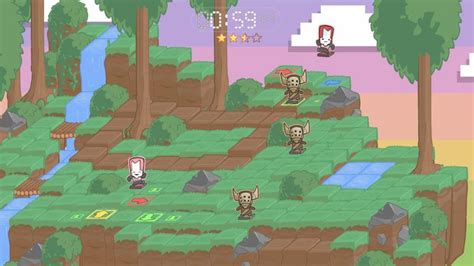
While gameplay is king, a game’s aesthetic and auditory presentation are its first impression. A distinctive art style – be it pixel art, hand-drawn, low-poly 3D, or something entirely experimental – instantly communicates personality and mood. It doesn’t need to be hyper-realistic, but it does need to be consistent, appealing, and purposeful. Similarly, high-quality sound design, including immersive music, satisfying sound effects, and clear voice acting, elevates the entire experience, drawing players deeper into the game world.
Narrative & World-Building: Stories That Stick
Beyond mechanics and aesthetics, a compelling narrative or rich world-building can provide a powerful emotional connection. Whether it’s a deep, character-driven story, an intricate lore that invites exploration, or environmental storytelling that subtly unfolds secrets, a strong narrative framework keeps players invested. Games that evoke strong emotions, challenge perspectives, or offer profound thematic depth often leave a lasting impression and are prime candidates for spotlight features.

Polish and Performance: The Mark of Professionalism
Even the most innovative game can be overlooked if it’s plagued by bugs, poor performance, or an unintuitive user interface. A high level of polish demonstrates professionalism and respect for the player’s time. This includes smooth frame rates, responsive controls, clear UI/UX, robust tutorials, and a general sense of technical stability. Games that feel finished and well-tested send a clear signal that the development team values quality, making them more attractive for recommendation.
Community Potential & Replayability: Building a Lasting Impression
Curators also look for games that can sustain engagement beyond the initial playthrough. Elements that foster a strong community – such as multiplayer modes, co-op features, or user-generated content tools – can significantly boost a game’s longevity. Similarly, robust replayability, offered through procedural generation, branching narratives, multiple endings, unlockables, or challenge modes, ensures players return and keep talking about the game. A game with potential for post-launch support and content updates is also a strong contender.

Accessibility: Expanding Your Reach
Increasingly, accessibility features are becoming a key consideration. Implementing options for color blindness, customizable controls, adjustable text sizes, or difficulty settings not only broadens your potential audience but also demonstrates a thoughtful approach to game design. A game that strives to be inclusive is often viewed favorably.
Conclusion: The Synergy of Excellence
Ultimately, boosting your game’s visibility in an Indie Spotlight isn’t about excelling in just one area, but rather achieving a compelling synergy across multiple core elements. A truly spotlight-worthy indie game typically marries innovative gameplay with a unique artistic vision, supported by a strong narrative, high levels of polish, and the potential for lasting engagement. By meticulously crafting these aspects, indie developers can significantly increase their chances of shining brightly in the crowded gaming landscape.