What’s the ideal monitor refresh rate and response time for competitive gaming?

The Edge in Esports: Why Refresh Rate and Response Time Matter
In the high-stakes world of competitive gaming, every millisecond counts. Beyond raw skill and strategic prowess, your hardware can significantly influence your performance. Two of the most crucial monitor specifications that directly impact your in-game experience, especially in fast-paced titles like first-person shooters or MOBAs, are refresh rate and response time. Understanding these can be the difference between a clutch play and a frustrating defeat.
Understanding Monitor Refresh Rate
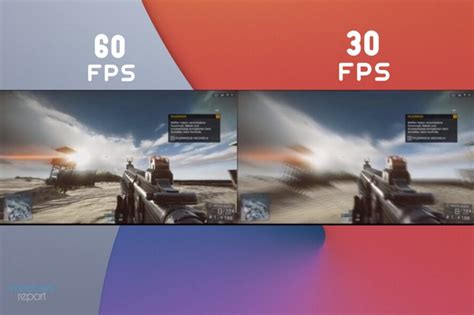
The refresh rate of a monitor, measured in Hertz (Hz), indicates how many times per second the display refreshes its image. A higher refresh rate means the monitor can display more frames per second (FPS), provided your graphics card can produce them. For competitive gamers, this translates to a smoother, more fluid visual experience.
- 60Hz: Standard for most non-gaming monitors. Often leads to noticeable input lag and choppiness in fast-moving games.
- 120Hz/144Hz: A significant upgrade, offering much smoother gameplay and reduced motion blur. This is often considered the entry point for serious competitive gaming.
- 240Hz: Provides an even more substantial visual advantage, making enemy movements incredibly fluid and easier to track. Popular among esports professionals.
- 360Hz+: The absolute bleeding edge, offering the smoothest possible experience for those with top-tier GPUs capable of pushing extremely high frame rates.
For competitive gaming, a refresh rate of 144Hz or higher is generally considered ideal. This allows you to perceive enemy movements more clearly, react faster, and experience less screen tearing when paired with adaptive sync technologies.
The Importance of Response Time
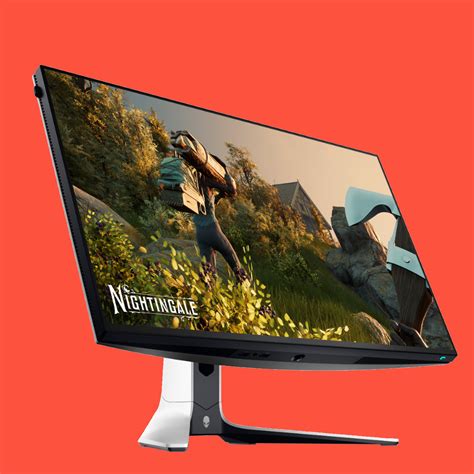
Monitor response time, measured in milliseconds (ms), refers to the time it takes for a pixel to change from one color to another. The most commonly cited metric is Grey-to-Grey (GtG), which measures the time for a pixel to transition from one shade of grey to another. A low response time is crucial for competitive gaming to minimize visual artifacts like ghosting and motion blur.
- 5ms+: Common in general-purpose monitors. Often results in noticeable ghosting (trails behind moving objects) in fast-paced games.
- 1ms (GtG): The gold standard for competitive gaming. Minimizes ghosting and motion blur to an almost imperceptible level, ensuring crisp, clear visuals even during rapid action.
- 0.5ms (GtG) and lower: Cutting-edge monitors push response times even lower, offering marginal improvements that are primarily beneficial at the absolute highest levels of play.
A response time of 1ms GtG or lower is highly recommended for competitive gamers. This ensures that your screen accurately and quickly displays what’s happening in the game, preventing visual delays that could cost you a kill or an objective.
The Synergy: Refresh Rate and Response Time Together
While both specifications are critical, they work in tandem. A high refresh rate delivers more frames, and a low response time ensures that each of those frames is displayed quickly and clearly, without visual artifacts. Having one without the other diminishes the overall benefit:
- A 240Hz monitor with a 5ms response time might still show ghosting, negating some of the smoothness.
- A 1ms response time on a 60Hz monitor won’t make up for the lack of frames, still resulting in a less fluid experience.
Therefore, competitive gamers should prioritize monitors that excel in both areas.
Other Factors to Consider
Beyond refresh rate and response time, a few other monitor features can enhance your competitive gaming setup:
- Panel Type: TN panels historically offered the fastest response times but suffered from poor color reproduction and viewing angles. Modern IPS panels have significantly closed the gap in response time while offering superior color and viewing angles, making them an excellent choice. VA panels offer great contrast but generally have slower response times than TN or IPS.
- Resolution: For competitive gaming, 1080p (Full HD) is often preferred over 1440p or 4K, as it’s easier for your GPU to hit extremely high frame rates at lower resolutions.
- Adaptive Sync (G-Sync/FreeSync): These technologies synchronize your monitor’s refresh rate with your GPU’s frame rate, eliminating screen tearing and stuttering without the input lag penalties of traditional V-Sync. Highly recommended for any gaming setup.
The Ideal Monitor Specs for Competitive Advantage
For the serious competitive gamer, the ideal monitor specifications are clear:
- Refresh Rate: 144Hz at minimum, with 240Hz being the sweet spot for many esports enthusiasts. If your budget and GPU allow, 360Hz+ offers the ultimate smoothness.
- Response Time: 1ms GtG or lower. This is non-negotiable for minimizing ghosting and ensuring crystal-clear motion.
Investing in a monitor that meets these criteria will provide a tangible advantage, allowing you to react quicker, track enemies more effectively, and ultimately improve your performance in the heat of competition. While skill remains paramount, your hardware should never be a limiting factor in your quest for victory.