What actionable moderation strategies curb mod community toxicity and resolve disputes?

The Challenge of Maintaining a Healthy Mod Community
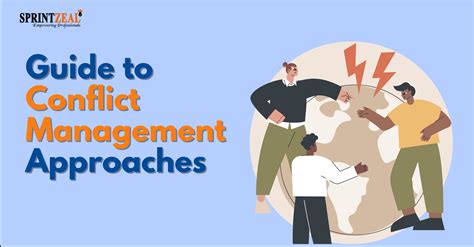
Even within the dedicated ranks of moderators, toxicity and disputes can emerge, threatening the very stability and effectiveness of the communities they serve. A dysfunctional mod team often leads to inconsistent enforcement, biased decisions, and ultimately, a breakdown of trust with the wider community. Addressing these internal challenges requires a proactive and strategic approach to ensure moderators can perform their crucial roles effectively and sustainably.
Establishing Clear Guidelines and Expectations
One of the foundational steps in curbing toxicity is to establish a robust and clear code of conduct specifically for moderators. This goes beyond the general community rules and outlines expectations for inter-mod communication, decision-making processes, confidentiality, and professional behavior. Specific guidelines should address respectful debate, conflict of interest, and the appropriate channels for disagreement.
Regular review and reiteration of these guidelines ensure that all moderators, new and veteran, are aligned. This framework serves as a reference point for behavior and a basis for addressing any violations, creating a culture of accountability and mutual respect.
Fostering a Culture of Open Communication and Empathy
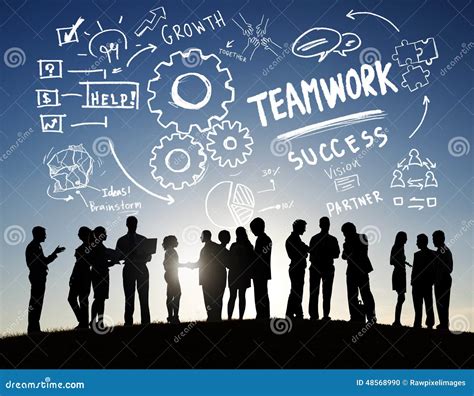
Beyond explicit rules, cultivating an environment where moderators feel safe to express concerns, provide feedback, and even voice disagreements constructively is paramount. This requires leadership to actively encourage open dialogue, transparent decision-making, and a commitment to understanding diverse perspectives. Regular check-ins, anonymous feedback mechanisms, and dedicated forums for discussion can facilitate this.
Promoting empathy among team members helps de-escalate potential conflicts. Encouraging moderators to consider the intent behind actions and words, rather than immediately assuming malice, can transform a potential dispute into a productive conversation. Training in active listening and non-violent communication can significantly enhance these skills.
Implementing Effective Dispute Resolution Mechanisms
Despite best efforts, disputes will inevitably arise. Having a predefined, structured process for resolving these conflicts is critical. This might involve:
- Peer Mediation: Training select, neutral moderators to mediate disputes between team members.
- Designated Conflict Lead: Appointing a senior moderator or community manager whose specific role includes mediating and resolving internal mod team conflicts.
- Defined Escalation Paths: Clear steps for when a dispute cannot be resolved informally, including who to involve and what documentation is required.
- External Arbitration (if necessary): For severe or persistent conflicts, bringing in a neutral third party, such as a platform administrator or an external consultant, can provide an unbiased resolution.
The focus of any resolution mechanism should be on identifying the root cause of the conflict, facilitating constructive dialogue, and working towards mutually agreeable solutions that uphold the integrity and effectiveness of the mod team.
Ensuring Consistent Enforcement and Accountability
The effectiveness of any moderation strategy hinges on consistent enforcement. This applies not only to the general community but also, crucially, to the moderator team itself. Inconsistent application of rules among moderators can breed resentment, mistrust, and further toxicity. All moderators must be held to the same standards, regardless of their tenure or perceived importance.
Documenting incidents, actions taken, and the reasoning behind them provides a transparent record and helps ensure fairness. Disciplinary actions for moderators, ranging from warnings and temporary suspensions to permanent removal, should also be clearly defined and applied consistently, always with opportunities for learning and improvement where appropriate.

Providing Support and Resources for Moderators
Moderating is a demanding and often stressful role. Burnout, stress, and mental health challenges can contribute to irritability and increased potential for conflict. Providing adequate support and resources for moderators is not just a benefit; it’s a strategic necessity for a healthy team.
- Stress Management & De-escalation Training: Equipping moderators with skills to manage their own stress and de-escalate tense situations.
- Wellness Checks: Regular, informal check-ins on moderator well-being.
- Access to Tools: Providing efficient moderation tools to reduce workload and friction.
- Peer Support Systems: Creating avenues for moderators to support each other confidentially.
- Recognition: Acknowledging and appreciating moderators’ efforts to prevent burnout.

Conclusion
Curbing toxicity and resolving disputes within a mod community is an ongoing, dynamic process that requires continuous effort and adaptation. By prioritizing clear guidelines, fostering open communication, establishing robust dispute resolution mechanisms, ensuring consistent enforcement, and providing essential support, communities can empower their moderators to maintain a healthy internal environment. This not only improves the well-being of the mod team but also strengthens their ability to serve and protect the broader community effectively, creating a truly positive and sustainable online space.