How can mod authors effectively manage toxic community feedback and demands?
Navigating the Storm: Protecting Your Passion and Sanity
Creating mods for video games is often a labor of love, a selfless act of dedication that enhances the experiences of countless players. However, this rewarding endeavor can quickly turn sour when mod authors encounter the darker side of community interaction: toxic feedback, entitled demands, and outright harassment. Managing these negative elements effectively is crucial not only for the longevity of a mod project but, more importantly, for the mod author’s personal well-being and passion. This guide explores practical strategies to navigate these challenging waters.
Understanding the Nature of Toxic Feedback
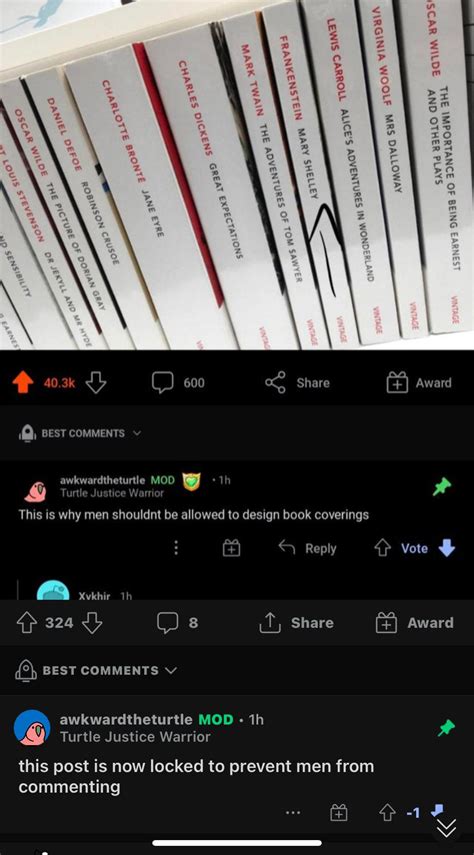
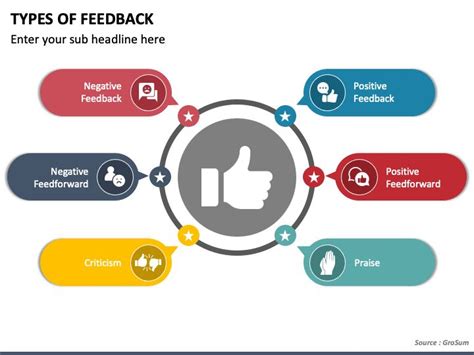
Before responding, it’s vital to differentiate between constructive criticism and genuine toxicity. Constructive feedback aims to improve your mod, often offering specific suggestions or bug reports. Toxic feedback, on the other hand, is characterized by personal attacks, aggressive language, unreasonable demands, a lack of empathy, and often, an underlying sense of entitlement. Recognizing this distinction is the first step towards an effective response strategy.
Proactive Measures: Building a Resilient Community Environment
1. Establish Clear Expectations and Rules
Prevention is often the best cure. From the outset, clearly define what kind of behavior is acceptable in your mod’s community spaces (forums, Discord, comment sections). Post clear rules regarding respect, constructive criticism, and the consequences for violating these guidelines. A detailed FAQ or README file can also address common issues and manage expectations about updates, features, and support, reducing the likelihood of repetitive, demanding questions.
2. Utilize Moderation Tools and Teams
Most platforms (Nexus Mods, Steam Workshop, GitHub) offer moderation features. Use them. If your community grows, consider recruiting trusted volunteers to help moderate comments and discussions. A dedicated moderation team can filter out negativity before it reaches you, allowing you to focus on development.

Reactive Strategies: Handling Toxicity When It Arises
1. Don’t Engage with Trolls
The golden rule of online interaction: don’t feed the trolls. Toxic individuals often seek a reaction. Responding to hateful or purely abusive comments only validates their behavior and fuels further negativity. Mute, block, and report instead.
2. Address the Substance, Ignore the Tone (When Possible)
If a comment contains genuinely useful information (e.g., a bug report) but is delivered with an aggressive tone, try to extract the valuable data and address it factually, without acknowledging the disrespectful wrapper. A simple, polite acknowledgment of the issue can suffice.

3. Set Firm Boundaries for Demands
Players often have ideas, but some can escalate into unreasonable demands for new features, immediate updates, or personalized support. It’s crucial to understand that you are under no obligation to fulfill every request. Clearly communicate your development priorities and politely decline demands that fall outside your scope or interest. Remember, it’s your mod, and your time is valuable.
Prioritizing Your Well-being
1. Take Breaks and Disconnect
The constant pressure and negativity can lead to burnout. Schedule regular breaks from modding and community interaction. Disconnecting from screens and engaging in other hobbies or activities is essential for mental health. Your mod’s progress is secondary to your well-being.
2. Cultivate a Support Network
Connect with other mod authors. Sharing experiences, strategies, and even commiserating with peers who understand your challenges can be incredibly therapeutic and provide valuable insights. Online communities for mod developers can serve as a safe space away from public feedback.
3. Don’t Internalize the Negativity
Remember that toxic feedback often says more about the person giving it than about you or your work. Do not let anonymous vitriol diminish your passion or self-worth. Focus on the positive feedback and the enjoyment your mod brings to the majority of players.
Conclusion
Being a mod author is a significant contribution to the gaming world, enriching countless player experiences. While the enthusiasm of a community is a powerful motivator, managing its darker aspects requires a proactive and resilient approach. By establishing clear rules, utilizing moderation, setting firm boundaries, and prioritizing personal well-being, mod authors can effectively mitigate the impact of toxic feedback and unreasonable demands, ensuring their passion for creation remains a source of joy, not stress.