What’s the optimal daily training schedule for aspiring esports players?

Beyond Just Playing: Crafting a Holistic Esports Schedule
Becoming a professional esports player demands more than just raw talent and countless hours in-game. It requires a disciplined, multi-faceted approach to training that encompasses not only skill development but also physical well-being, mental fortitude, and strategic rest. An optimal daily schedule is the blueprint for transforming passion into a sustainable career.
For aspiring pros, the goal isn’t just to play more, but to play smarter and live healthier. This guide outlines the key components of a balanced daily routine designed to maximize performance, prevent burnout, and foster the consistent growth necessary to compete at the highest level.

The Core: Structured In-Game Practice
The bulk of any esports player’s day is, naturally, spent honing in-game skills. However, ‘practice’ is a broad term that needs precise definition and allocation:
- Warm-up & Aim Training (30-60 minutes): Begin with specific drills tailored to your game – aim trainers for FPS, last-hitting practice for MOBAs, or mechanical drills for fighting games. This primes your reflexes and muscles.
- Solo Queue/Ranked Play (2-3 hours): Engage in competitive matches with a specific focus. Don’t just play; analyze your decisions, try new strategies, and identify areas for improvement. Reviewing your own VODs (Video On Demand) immediately after a game or session is crucial here.
- VOD Review & Analysis (1-2 hours): This is arguably the most underrated aspect. Watch professional matches, analyze your own gameplay, and identify mistakes, missed opportunities, and successful plays. Understanding “why” you win or lose is more valuable than simply playing more games.
- Team Practice/Scrims (3-4 hours): For team-based games, dedicated scrimmages against other competitive teams are vital. This is where communication, strategy, and synergy are built. Post-scrim debriefs with coaches and teammates are non-negotiable.

Physical Health: The Unsung Hero
A sedentary lifestyle is often associated with gaming, but professional esports demands peak physical condition. Long hours of intense focus can lead to eye strain, carpal tunnel, back pain, and fatigue if not properly managed.
- Exercise (60-90 minutes): Incorporate daily physical activity. This doesn’t mean becoming a bodybuilder; it means regular cardiovascular exercise, strength training, and stretching. This improves blood flow to the brain, reduces stress, and enhances reaction time and endurance.
- Nutrition & Hydration: Fuel your body with nutritious meals. Avoid excessive sugary drinks and processed foods that lead to energy crashes. Stay hydrated with water throughout the day. A healthy diet supports sustained focus and cognitive function.
- Ergonomics: Invest in a proper gaming setup – ergonomic chair, desk, monitor height, and peripherals. Regular posture checks are critical to prevent chronic pain and injury.

Mental Fortitude & Rest
The mental toll of competitive gaming is immense. Dealing with pressure, losses, and constant self-critique requires robust mental health strategies.
- Scheduled Breaks (10-15 minutes every hour; longer breaks every 2-3 hours): Step away from the screen. Walk around, stretch, grab a snack, or do something non-gaming related. These micro-breaks prevent mental fatigue and help reset focus.
- Mindfulness & Relaxation (15-30 minutes): Practices like meditation, deep breathing exercises, or simply quiet reflection can significantly reduce stress and improve focus and emotional regulation. This is vital for maintaining composure during high-stakes matches.
- Quality Sleep (7-9 hours): This is non-negotiable. Sleep directly impacts reaction time, decision-making, memory, and emotional resilience. Maintain a consistent sleep schedule, even on weekends, and ensure your sleep environment is conducive to rest. Avoid screens an hour before bed.

Balancing Life: Beyond the Screen
While dedication is key, a life solely focused on gaming is a recipe for burnout. A well-rounded individual performs better in all aspects of life, including competitive gaming.
- Hobbies & Socialization: Dedicate time to activities outside of gaming. Spend time with friends and family, pursue hobbies, or engage in community activities. This provides mental breaks, broadens perspectives, and prevents isolation.
- Flexibility & Self-Assessment: An “optimal” schedule isn’t rigid. It should adapt to your needs, energy levels, and game updates. Regularly assess what’s working and what isn’t, and be prepared to adjust. Every player is different, and finding your personal rhythm is crucial.
Conclusion
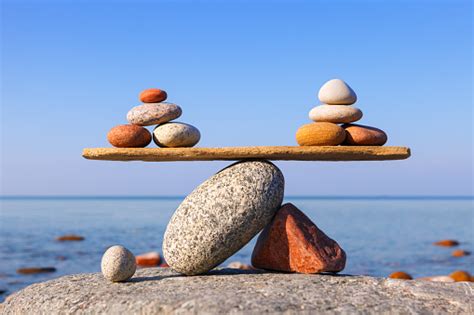
The optimal daily training schedule for an aspiring esports player is a carefully constructed balance of intense, structured in-game practice, robust physical training, diligent mental conditioning, and essential periods of rest and personal life engagement. It’s a holistic ecosystem where each component supports and enhances the others. By adhering to such a comprehensive regimen, players not only develop their skills but also build the resilience, health, and strategic mindset required to thrive in the demanding world of professional esports.