Best practices for resolving mod community disputes and maintaining peace?

Understanding the Landscape of Mod Community Disputes
Modding communities, by their very nature, are vibrant hubs of creativity, passion, and technical skill. However, this same intensity can sometimes lead to disagreements, misunderstandings, and outright disputes. Whether it’s a conflict over mod compatibility, interpretation of rules, personality clashes, or creative differences, effectively resolving these issues is paramount to maintaining a healthy and productive environment. Ignoring disputes can lead to toxicity, member attrition, and even the fracturing of a community. Proactive and thoughtful strategies are essential for turning potential conflicts into opportunities for growth and stronger bonds.
The first step in effective dispute resolution is acknowledging that conflicts are an inevitable part of any dynamic group. Rather than viewing them as failures, see them as signals that require attention and a structured approach. Understanding the common sources of friction – differing expectations, communication breakdowns, and perceived injustices – is crucial for developing appropriate preventative and reactive measures.
Establishing Clear Guidelines and Communication Channels
The foundation of a peaceful community is a well-defined set of rules and expectations. These guidelines should be clear, concise, easily accessible, and consistently enforced. They should cover acceptable behavior, content standards, and consequences for infractions. Crucially, these rules should be living documents, open to review and slight adaptation based on community feedback and evolving needs.
Key elements for strong guidelines:
- Accessibility: Post rules prominently on your forum, Discord server, or community hub.
- Clarity: Avoid jargon; ensure rules are easy to understand for everyone.
- Fairness: Rules should apply equally to all members, including moderators.
- Transparency: Clearly state the process for reporting issues and the steps taken to resolve them.
Equally important are open and reliable communication channels. Provide dedicated spaces for feedback, suggestions, and reporting issues. This could be a private message system, a specific forum section, or a designated channel on voice platforms. Empowering members to voice concerns constructively can often defuse potential disputes before they escalate.

Mediation and De-escalation Techniques
When disputes arise, a structured approach to mediation is vital. Moderators should act as impartial facilitators, not judges, initially. The goal is to understand all perspectives, identify common ground, and guide parties towards a mutually acceptable resolution.
Effective mediation strategies:
- Listen Actively: Allow all parties to express their views fully without interruption. Summarize their points to ensure understanding.
- Maintain Neutrality: Avoid taking sides. Focus on the issue, not the personalities involved.
- Identify Core Issues: Often, the surface argument masks deeper frustrations. Help parties articulate their fundamental concerns.
- Suggest Solutions: Guide participants to brainstorm solutions, rather than dictating them.
- Set Boundaries: If discussions become heated or abusive, intervene immediately. Remind participants of the rules and the goal of resolution.
De-escalation also involves timing. Sometimes, a ‘cooling-off’ period for involved parties can be more effective than an immediate, high-pressure resolution attempt. Private conversations are often more productive than public arguments, as they reduce the pressure of an audience and allow for more candid discussion.
Empowering the Community and Learning from Disputes
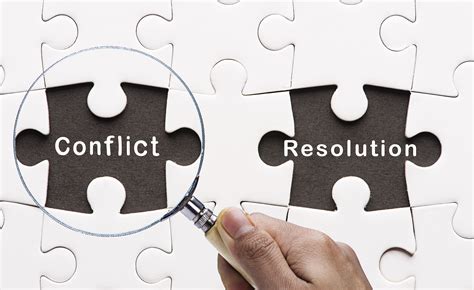
A truly peaceful and resilient community isn’t solely dependent on its moderators; it relies on the collective responsibility of its members. Encourage community members to self-moderate by reporting inappropriate behavior and respectfully intervening in minor disagreements when appropriate. Publicly acknowledging constructive resolutions can reinforce positive behaviors and demonstrate the value of peaceful conflict resolution.
Every dispute, regardless of its outcome, offers valuable lessons. After a resolution, take time to reflect:
- What caused this dispute?
- Could it have been prevented?
- Were the community guidelines clear enough?
- Was the resolution process effective?
- What can be improved for future scenarios?
Use these insights to refine your rules, moderation practices, and communication strategies. This continuous improvement loop ensures that your community becomes more robust and better equipped to handle future challenges.
Proactive Peacekeeping and Long-Term Strategies
Maintaining peace is not just about reacting to disputes, but actively fostering a positive and inclusive atmosphere. Organize community events, showcase members’ work, and encourage collaborative projects. These activities build camaraderie and shared purpose, making members less likely to engage in destructive conflicts.
Regularly solicit feedback on the health of the community and the effectiveness of moderation. Create opportunities for members to suggest improvements and feel heard. A community that feels valued and respected is far less prone to internal strife. Ultimately, a mod community thrives when its members feel safe, respected, and part of a shared creative endeavor. By implementing clear guidelines, practicing empathetic mediation, and continuously learning from challenges, you can build a resilient and harmonious environment where creativity flourishes.