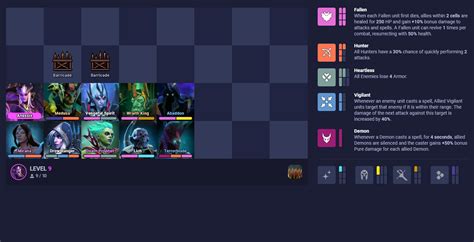
My main build got nerfed! How do I pivot for viable meta play?

The dreaded patch day. You log in, excited for your usual grind, only to discover your carefully optimized, beloved main build has been hit by the nerf hammer. Damage reduced, cooldowns increased, synergy broken – whatever the specifics, the result is the same: your once-dominant setup is now suboptimal, perhaps even unplayable in high-level content. This isn’t just an inconvenience; it can feel like a direct attack on your hours of investment and skill. But despair not! The meta is a fluid beast, and understanding how to adapt is a core skill for any serious player. This guide will walk you through the strategic steps to pivot your gameplay and remain competitive.
Deconstructing the Nerf: What Really Changed?
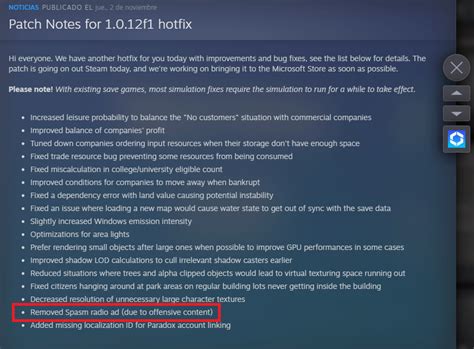
Before you panic-respec everything, take a deep breath and thoroughly read the patch notes. It’s crucial to understand the exact nature and extent of the nerf. Was it a flat damage reduction on a core skill, a rework of a critical item, or a fundamental change to a game mechanic that your build exploited? Sometimes, a nerf that looks devastating on paper might only reduce overall effectiveness by a small percentage, or it might open up opportunities for different, previously overlooked interactions. Identify the specific components of your build that were affected and quantify the impact as best you can.
Assessing Your Current Build’s Viability
Not every nerf renders a build completely useless. Some components might still be strong. Review your entire build: skills, gear, passive trees, stat allocations, and talent choices. Determine which elements are now dead weight and which still offer value. Perhaps your core damage skill was nerfed, but your defensive utility or crowd control abilities remain potent. Or maybe only one specific legendary item was targeted, leaving room to swap it out for an alternative. Can you make minor tweaks to compensate, or is a more drastic overhaul required? Consider the “why” behind your original build’s effectiveness – was it raw damage, survivability, unique utility, or a combination? How much of that core identity remains?
It’s also important to test the “nerfed” build in practical scenarios. Don’t just rely on theory. Go into some content, push it, and see where it genuinely falls short. You might find it’s still capable of clearing certain content, just not as efficiently as before. This practical assessment will inform your pivot strategy.

Researching the New Meta and Emerging Strategies
Once you understand the damage done, it’s time to look outwards. The meta doesn’t just form in a vacuum; it responds to patch changes. Start by:
- Reading Community Discussions: Forums, Reddit, Discord servers – what are other players discovering? Look for theorycrafting threads, popular new builds, and discussions around what’s now strong.
- Watching Top Players/Streamers: They often have early insights and can quickly identify viable strategies. Pay attention to what builds they’re experimenting with and why.
- Consulting Database Sites/Build Guides: Many games have sites that track item popularity, skill usage, and win rates. These can offer empirical data on what’s performing well.
- Analyzing Patch Notes for Buffs: Nerfs often come with buffs to other areas. What previously weak skills, items, or classes received a boost? These are often the seeds of the new meta.

Identifying Pivot Points and Alternative Playstyles
With research in hand, consider your options. You generally have a few paths:
- Minor Adjustments: If your build was only lightly touched, perhaps a few gear swaps, skill point reallocations, or talent changes are enough to bring it back to viability. This is the least disruptive option.
- Variant Build: Can you adapt your existing class/character to a different, newly viable build? For example, if your DPS spec was nerfed, perhaps a tank or support spec for the same character is now stronger. This maintains your character’s progression.
- New Character/Class: This is the most drastic, but sometimes necessary, step. If your current character’s entire archetype is no longer viable, or if a different class received significant buffs, it might be time to roll an alt.
- “Off-Meta” Innovation: Sometimes, the community hasn’t fully explored all possibilities. Could you combine aspects of your old build with newly buffed elements in a unique way? This requires more theorycrafting but can be rewarding.
Focus on builds that align with your preferred playstyle. If you loved playing a fast-paced, burst damage character, look for alternatives that offer similar satisfaction, even if the abilities are different.

Experimentation, Refinement, and Iteration
The journey from a nerfed build to a meta-viable one isn’t a one-and-done process. It involves:
- Testing: Implement your chosen pivot strategy and test it in game. Does it feel good? Does it perform as expected in high-stakes content?
- Gathering Data: Keep track of your performance. Are your clear times faster? Are you surviving better? Are you contributing more effectively to your group?
- Refining: Based on your testing, make further adjustments. Maybe a different stat priority is better, or a slightly different rotation optimizes damage.
- Staying Agile: The meta continues to evolve, even between major patches. Be prepared to make small adjustments as new strategies are discovered or mini-patches roll out.
Remember, being a skilled player isn’t just about mastering one build; it’s about understanding game mechanics and adapting to change. The nerf to your favorite build is an opportunity to learn, explore, and grow as a player. Embrace the challenge, analyze wisely, and you’ll soon be dominating the meta once again.