How do I optimize Windows 11 settings for maximum gaming performance & low latency?

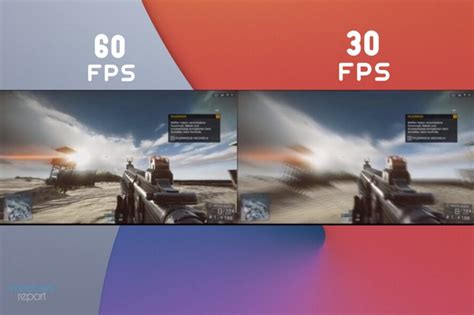
Windows 11 offers a robust platform for gaming, but out-of-the-box settings aren’t always optimized for peak performance and low latency. By making a few strategic adjustments, you can significantly improve your gaming experience, ensuring smoother gameplay and more responsive controls. This guide will walk you through the essential steps to configure your Windows 11 system for an unparalleled gaming advantage.
Update Your Graphics Drivers First
The single most critical step for gaming performance is ensuring your graphics drivers are up to date. Outdated drivers can lead to frame rate drops, graphical glitches, and overall instability. Visit the official website for your graphics card manufacturer (NVIDIA, AMD, or Intel) and download the latest drivers specific to your GPU model. Perform a clean installation if possible to avoid conflicts.

Enable Game Mode and Optimize Graphics Settings
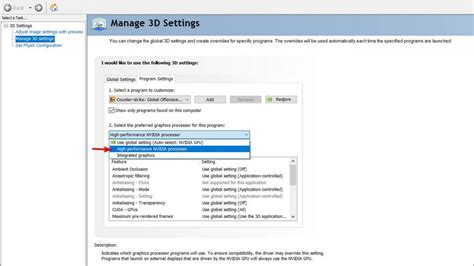
Windows 11 includes a dedicated ‘Game Mode’ designed to prioritize your game’s resources. When enabled, it helps prevent Windows Update from installing drivers or sending notifications, and optimizes system resources to give games more CPU and GPU cycles. You should also specify graphics preferences for your high-performance games.
- Enable Game Mode: Go to Settings > Gaming > Game Mode and toggle it ‘On’.
- Graphics Settings: In Settings > System > Display > Graphics (or search ‘Graphics settings’), you can add specific games and set them to ‘High performance’ to ensure they utilize your dedicated GPU. Also, enable ‘Hardware-accelerated GPU scheduling’ for potential performance gains, especially on newer hardware.

Adjust Power Options for Ultimate Performance
The default ‘Balanced’ power plan in Windows can throttle your CPU and GPU to save power, which is counterproductive for gaming. Switching to a ‘High performance’ or ‘Ultimate Performance’ plan ensures your hardware runs at its full potential.
- Access Power Options: Search for ‘Edit power plan’ or go to Settings > System > Power & battery > Power mode. Select ‘Best performance’.
- Advanced Power Settings: For more granular control, go to ‘Additional power settings’ and select ‘High performance’. If ‘Ultimate Performance’ is not visible, you can often enable it via a Command Prompt command (search for guides online).
Minimize Background Processes and Notifications
Unnecessary background applications and services consume valuable CPU, RAM, and network bandwidth, leading to performance bottlenecks and increased latency. Disabling these can free up resources for your game.
- Startup Apps: Go to Settings > Apps > Startup and disable any programs you don’t need running immediately after boot.
- Background Apps: While Windows 11 doesn’t have a direct ‘background apps’ toggle like Windows 10, you can manage individual app permissions under Settings > Apps > Installed apps by clicking the three dots next to an app and selecting ‘Advanced options’. Here you can often control background activity.
- Notifications: Turn off distracting and resource-consuming notifications via Settings > System > Notifications.
- Widgets and Chat: Disable or uninstall unwanted features like Widgets and Chat if you don’t use them, as they can consume resources.
Optimize Network Settings for Low Latency
For online gaming, network latency (ping) is crucial. A stable and fast connection can significantly improve responsiveness.
- Use Ethernet: Wherever possible, use a wired Ethernet connection instead of Wi-Fi for superior stability and lower latency.
- Update Network Drivers: Ensure your network adapter drivers are up to date from your motherboard or adapter manufacturer’s website.
- Quality of Service (QoS): Some routers and network cards allow you to prioritize gaming traffic through QoS settings. Consult your router’s manual for details.

Tweak Visual Effects and Display Settings
While Windows 11 offers beautiful visual effects, some can impact performance. Sacrificing a bit of aesthetic flair can yield tangible frame rate improvements.
- Performance Visual Effects: Search for ‘Adjust the appearance and performance of Windows’. In the ‘Visual Effects’ tab, select ‘Adjust for best performance’ or customize by unchecking unnecessary animations and shadows.
- High Refresh Rate: Ensure your monitor is set to its highest refresh rate. Go to Settings > System > Display > Advanced display. Select your monitor and choose the highest available refresh rate.
- Variable Refresh Rate (VRR): If your monitor supports Adaptive Sync (FreeSync/G-Sync Compatible), enable ‘Variable refresh rate’ in Settings > System > Display > Graphics > Change default graphics settings.

Additional Tips for Peak Performance
- Disable Virtualization-Based Security (VBS): For some systems, VBS (Memory integrity and Core isolation) can impact gaming performance. You can disable it in Windows Security > Device security > Core isolation details, but be aware of the security implications.
- Keep Windows Updated: While you want to avoid updates during gaming sessions, ensure your system is generally up-to-date. Performance fixes and driver improvements often come with Windows updates.
- Disk Cleanup & Storage Sense: Regularly clean up temporary files and unnecessary data. Storage Sense (Settings > System > Storage) can automate this process. An SSD is also highly recommended for faster load times.
By diligently applying these optimizations, you’ll transform your Windows 11 machine into a lean, mean gaming machine, delivering smoother frame rates and a more responsive, enjoyable experience. Remember to test settings changes incrementally to understand their impact and find the perfect balance for your specific hardware and games.