Effective VOD review: How do pro players analyze gameplay for improvement?
The Crucial Role of VOD Review in Professional Esports
In the high-stakes world of professional esports, raw mechanical skill is only one piece of the puzzle. What truly separates the good from the great is the ability to learn, adapt, and evolve. This is where Video On Demand (VOD) review becomes an indispensable tool. Far from a casual rewatch, professional VOD analysis is a rigorous, systematic process designed to unearth every micro-mistake and macro-oversight, transforming losses into lessons and wins into perfected strategies.
For esports pros, VOD review isn’t just about identifying what went wrong; it’s about understanding why, formulating solutions, and integrating those improvements into future gameplay. It’s a cornerstone of competitive intelligence and continuous self-improvement.
Setting the Stage: Preparation and Mindset
Before diving into a VOD, pros approach the session with a specific mindset and clear objectives. They often record high-quality, unedited footage of their own perspective, sometimes alongside team comms. The goal isn’t to dwell on frustration or ego, but to maintain an objective, critical perspective. They might set specific questions to answer or areas of focus, such as ‘how was my early game pathing?’ or ‘did our team execute the late-game objective push correctly?’
Phase 1: The Initial Watch-Through – Big Picture Insights
The first pass through a VOD is often a general overview. Pros watch the game without pausing, trying to recall their thoughts and feelings during specific moments. This helps them understand the overall flow, identify key turning points, and notice areas where their subjective perception during the game might have differed from the objective reality on screen. It’s about getting a feel for the narrative of the match before dissecting its individual chapters.
Phase 2: Deep Dive – Micro and Macro Analysis
This is where the real work begins. Pro players meticulously analyze specific moments, often pausing, rewinding, and replaying segments multiple times. They break down gameplay into two core components:
Micro-Level Scrutiny: Mechanics and Individual Decisions
- Precision and Execution: Was every ability used optimally? Were last hits clean? Were auto-attack cancels performed perfectly?
- Positioning: Was their character always in the safest, most advantageous position?
- Decision-Making: Why was a specific target chosen? Was the engage timing correct? Could a different action have yielded a better outcome? This often involves asking, “What was I thinking here?” and “What were my other options?”
Macro-Level Strategy: Team Play and Game State
- Rotations and Map Movement: Were they present for key skirmishes? Was the team covering lanes effectively?
- Objective Control: Was the team prioritizing the correct objectives at the right time (e.g., dragon, baron, towers)?
- Communication and Synergy: Were calls clear and concise? Was the team acting as a cohesive unit?
- Resource Management: How was gold and experience distributed? Were items purchased optimally against the enemy composition?
Identifying Patterns and Root Causes
Beyond individual errors, pros look for recurring patterns. Do they consistently misposition in certain scenarios? Do they fail to track enemy cooldowns? Identifying these patterns allows them to address fundamental weaknesses rather than just patching over symptoms. They delve into the root cause: Was it a lack of information? Poor decision-making under pressure? A misunderstanding of game mechanics? Often, this involves considering alternative scenarios: “If I had vision here, would I have made a different choice?” or “What would the enemy’s optimal response have been to my play?”
The Collaborative Aspect: Team VOD Review
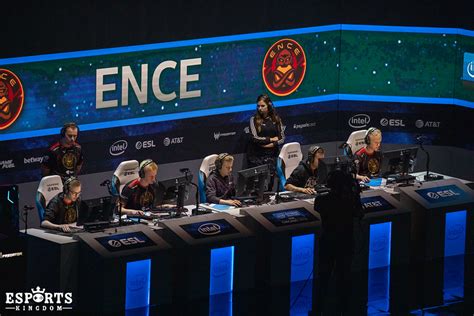
Many professional teams conduct VOD reviews together. This is invaluable for understanding team dynamics, communication breakdowns, and differing perspectives. Players can challenge each other’s assumptions, provide feedback, and collectively identify synergistic plays or miscommunications. A coach often facilitates these sessions, ensuring discussions remain constructive and focused on improvement rather than blame.
Translating Insights into Actionable Takeaways
The most critical step is translating observations into concrete, actionable steps. A pro player doesn’t just note “bad positioning”; they create a plan: “Next game, when entering the jungle as a jungler, always hug this wall to avoid common ward spots.” Or, “Practice last-hitting under tower for 10 minutes before every scrim.” These takeaways are specific, measurable, and directly applicable to future practice and gameplay.

The Iterative Cycle of Improvement
VOD review is not a one-time event but an ongoing cycle. After implementing changes based on previous reviews, pros will record and review subsequent games to see if those adjustments were effective. This continuous feedback loop allows them to refine their strategies, solidify new habits, and maintain peak performance in an ever-evolving competitive landscape.
Conclusion: Mastering the Art of Self-Correction
Effective VOD review is a testament to a pro player’s dedication to mastery. It’s a disciplined art of self-correction, requiring honesty, analytical rigor, and a relentless pursuit of excellence. By systematically dissecting their gameplay, pros not only identify weaknesses but also cultivate a deeper understanding of the game itself, ultimately pushing the boundaries of what’s possible in competitive esports.