What actionable steps help aspiring esports pros improve their competitive mental game?
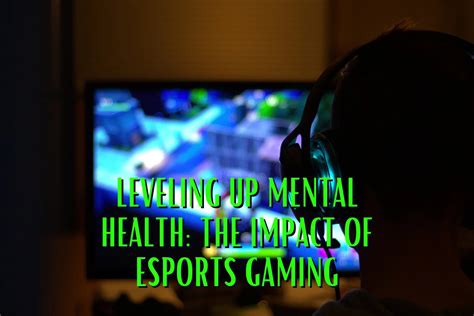
The Unseen Battlefield: Why Mental Fortitude Matters in Esports
In the high-stakes world of esports, raw mechanical skill and game knowledge are undoubtedly crucial, but they represent only half the battle. The other, often more challenging half, is fought within the player’s own mind. A strong competitive mental game is what separates consistent champions from talented individuals who crumble under pressure. For aspiring esports pros, understanding and actively developing this mental resilience is paramount to climbing the ranks and achieving sustained success.
Improving your mental game isn’t about magical thinking; it’s about implementing structured, actionable steps that train your mind just as rigorously as you train your in-game skills. Let’s delve into practical strategies that can transform your competitive mindset.
Cultivating a Growth Mindset and Positive Self-Talk
At the core of a strong mental game is a growth mindset – the belief that your abilities can be developed through dedication and hard work. Instead of viewing failures as limitations, see them as opportunities for learning and improvement. This perspective is vital in an environment where losses are inevitable.
Alongside a growth mindset, proactive positive self-talk is essential. Counter negative thoughts like “I always choke” or “I’m not good enough” with constructive affirmations. Reframe “I lost that clutch” to “What could I have done differently to win that clutch?” Practice mindfulness to catch negative thought patterns early and consciously redirect them. Your inner monologue profoundly impacts your performance; make it your ally, not your enemy.
Mastering Stress and Emotional Regulation
Competitive esports is inherently stressful. High-pressure situations, critical moments, and the gaze of an audience (even if virtual) can trigger anxiety, anger, or frustration. Learning to manage these emotions is a cornerstone of mental resilience.
- Identify Triggers: Understand what situations or thoughts typically lead to negative emotional spirals for you.
- Breathing Techniques: Simple diaphragmatic breathing can calm your nervous system. Practice it regularly, and use it during game downtime or between rounds.
- Emotional Detachment: Learn to observe your emotions without letting them control your actions. Acknowledge frustration, then consciously shift your focus back to the game.
- Micro-Breaks: If allowed, even a 10-second break between games or rounds can be enough to reset your emotional state.
Sharpening Focus and Concentration
Distractions, both internal and external, can severely impact your ability to make optimal decisions. Developing laser-like focus is a trainable skill that can give you a significant edge.
- Minimize External Distractions: Create a dedicated, quiet play environment. Turn off notifications, close unnecessary tabs, and inform housemates of your playtime.
- Single-Tasking: During gameplay, commit to only one task at a time. If you’re focusing on map awareness, don’t let your mind wander to your KDA.
- Pre-Game Visualization: Before a match, mentally walk through common scenarios and how you’ll respond. This helps prime your brain for intense focus.
- Flow State Practice: Engage in deliberate practice sessions where your sole goal is to maintain deep concentration, even if you’re not playing perfectly.

Implementing Effective Pre-Game and Post-Game Routines
Routines provide structure and consistency, helping to stabilize your mental state before, during, and after competition. They reduce uncertainty and prime your mind for performance or learning.
Pre-Game Routines:
- Mental Warm-up: Review VODs of your own good plays, listen to calming music, or engage in a quick meditation.
- Physical Warm-up: Light stretching, wrist exercises, and a few minutes of hand-eye coordination drills can prepare your body.
- Goal Setting: Set one or two specific, process-oriented goals for the upcoming game (e.g., “focus on communication,” “track enemy ult cooldowns”).
Post-Game Routines:
- Cool-down Period: Avoid immediately jumping into another game or dwelling on mistakes. Take a short break.
- Constructive VOD Review: Analyze your gameplay objectively. Focus on what went well, what could be improved, and specific actionable changes for next time, rather than just lamenting errors.
- Journaling: Reflect on your emotional state, decision-making, and what you learned. This helps solidify lessons.
Building Resilience and Learning from Defeat
Losses are an unavoidable part of any competitive journey. True resilience isn’t about never losing, but about how you respond to defeat. Don’t let a loss define your worth as a player. Instead, view it as valuable data for improvement.
Seek feedback from teammates, coaches, or higher-ranked players. Be open to criticism and understand that constructive feedback is designed to help you grow. After reviewing a loss, consciously let it go and shift your focus to the next opportunity. Dwelling on past mistakes without a plan for improvement is detrimental to your mental game and future performance.
Conclusion: A Continuous Journey
Improving your competitive mental game is not a one-time fix but a continuous journey of self-awareness, practice, and refinement. Just like mechanical skills, mental fortitude requires consistent effort and deliberate training. By actively implementing strategies for a growth mindset, emotional regulation, focus, effective routines, and resilience, aspiring esports pros can unlock their full potential and build the mental backbone needed to thrive in the demanding world of professional gaming.