How to create evergreen gaming guides that rank high despite game updates?

The Challenge of Timeless Gaming Guides
In the fast-paced world of gaming, titles are constantly evolving. Patches, expansions, and balance changes can render even the most meticulously crafted guide obsolete overnight. For content creators aiming to build authority and consistent search rankings, this presents a significant challenge. The key lies in shifting from temporary ‘meta’ reports to crafting ‘evergreen’ content – guides that continue to provide value and rank high long after their initial publication, enduring the ebb and flow of game updates.
Focus on Fundamentals, Not Fleeting Metas
The bedrock of any evergreen guide is its focus on immutable or slowly changing aspects of a game. Instead of detailing the ‘best build’ for the current patch, delve into the core mechanics, systems, and underlying principles. Explain *how* the game works, *why* certain strategies are effective, and *what* fundamental skills are required. This includes:
- Core Mechanics: Explain combat systems, resource management, movement, or crafting from a foundational perspective.
- Game Systems: Detail progression paths, economy, faction relationships, or class roles.
- Strategic Principles: Discuss general decision-making, positioning, target prioritization, or threat assessment that transcends specific character abilities or item stats.

Teach Adaptation Over Replication
Rather than simply telling players what to do, empower them with the knowledge to adapt. A truly evergreen guide teaches players *how* to think and analyze, enabling them to adjust their strategies when updates inevitably arrive. This might involve:
- Explaining how to read patch notes and identify significant changes.
- Offering frameworks for testing new builds or strategies.
- Discussing the thought process behind item choices or skill allocations, allowing readers to apply that logic to new content.
- Providing principles for countering common enemy types or player strategies, which often remain consistent across patches.
Structure for Longevity and Easy Updates
The way you structure your guide can significantly impact its evergreen potential and ease of maintenance. Employ a modular design that separates core, stable information from potentially volatile details.
Modular Content Organization
- Dedicated Core Sections: Create sections for fundamental concepts, lore, permanent mechanics, and general strategy. These sections require minimal updates.
- Update-Sensitive Sections: Isolate information like specific builds, item lists, or numerical values into clearly marked sections. These are your ‘update hotspots.’
- Clear Headings and Versioning: Use distinct headings (e.g., “Patch X.Y Best Builds”) and timestamp specific data so readers know what information might be outdated.

Proactive Maintenance and Community Engagement
Even evergreen content isn’t truly set-it-and-forget-it. Regular, albeit less frequent, maintenance is crucial. Establish a schedule for reviewing your guides and implement a system for tracking game updates.
- Scheduled Reviews: Periodically check core guides (e.g., quarterly) to ensure their foundational advice is still sound.
- Monitor Game News: Stay subscribed to developer updates, patch notes, and community discussions.
- Swift, Targeted Updates: When an update hits, focus your efforts on the ‘update-sensitive’ sections. A small update can keep a large guide relevant.
- Leverage Community Feedback: Encourage comments and questions. Readers often point out areas that need updating or clarification, providing free quality control.
Beyond Gameplay: Lore, History, and Meta-Learning
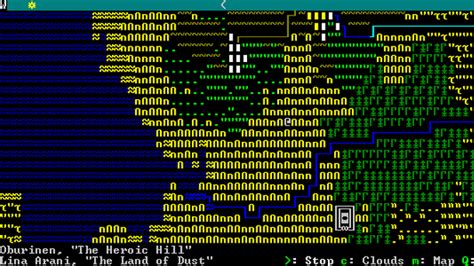
Consider expanding your guide repertoire beyond pure gameplay mechanics. Content focused on lore, character backstories, game history, or general learning strategies can be incredibly evergreen.
- Lore and World-building: These rarely change dramatically and often attract dedicated fans.
- Historical Metas: Documenting the evolution of a game’s meta can be fascinating and enduring content.
- Learning Strategies: Guides on how to improve at competitive games in general, mental fortitude, or effective practice routines are game-agnostic.

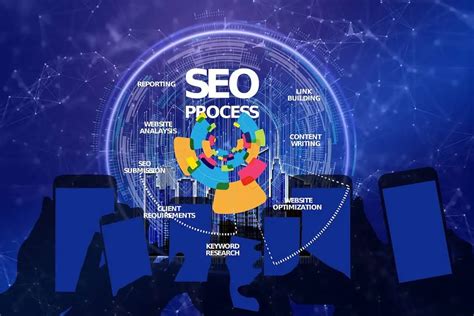
SEO Strategies for Sustained Ranking
For your evergreen guides to rank high, they need solid SEO. While game updates are a challenge, they also present opportunities.
- Target Evergreen Keywords: Focus on search terms like “[Game Name] beginners guide,” “how to play [Class/Role],” “[Game Name] economy explained,” rather than patch-specific queries.
- Internal Linking: Link between your evergreen guides. This builds topic authority and keeps users on your site longer.
- Authoritative Backlinks: As your evergreen content accumulates value, it naturally attracts backlinks, further boosting its authority and ranking.
- Google Discoverability: High-quality, regularly updated evergreen content is more likely to be picked up by Google Discover, driving passive traffic.

Conclusion: A Commitment to Lasting Value
Creating evergreen gaming guides is an investment. It requires a strategic mindset, a commitment to foundational knowledge, and a proactive approach to content maintenance. By focusing on principles, empowering players to adapt, structuring for flexibility, and leveraging smart SEO, your guides can transcend the fleeting nature of game updates, establishing your platform as a reliable and authoritative resource for years to come. This not only benefits your audience with enduring value but also secures your position in search rankings, providing a continuous stream of organic traffic.