Effective VOD review strategies for solo queue players aiming for esports success?
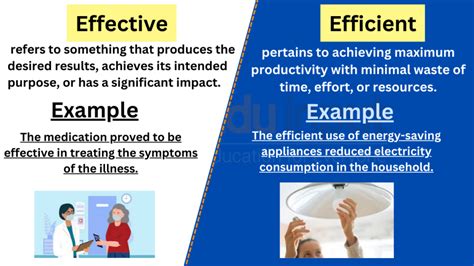
For solo queue players with aspirations of entering the competitive esports scene, the journey is often fraught with challenges unique to independent play. Unlike professional teams with dedicated coaches, solo queue demands a high degree of self-sufficiency and analytical prowess. This is where Video On Demand (VOD) review emerges as an indispensable tool, transforming raw gameplay into structured learning and significant skill advancement. Mastering the art of VOD review isn’t just about spotting mistakes; it’s about understanding the ‘why’ behind every action and reaction, paving the way for consistent improvement and ultimately, esports success.
The Essential Mindset for Effective VOD Review
Approaching VOD review with the right mindset is paramount. Avoid simply re-watching your gameplay to bask in good moments or dwell on missed opportunities. Instead, adopt a detached, objective perspective, much like a coach analyzing a player’s performance. Focus on identifying patterns, both positive and negative, rather than isolated incidents. Understand that every game, regardless of outcome, is a learning opportunity. This analytical, growth-oriented mindset is the foundation upon which all effective VOD strategies are built.
Pre-Review Preparation: Setting the Stage for Insight
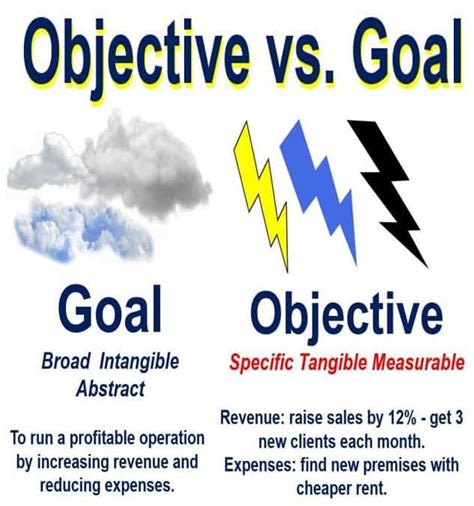
Before hitting play, establish a clear objective for your review. Are you focusing on a specific champion, a particular role, or an aspect of the game like early-game laning or late-game shot-calling? Having a goal prevents aimless watching. Additionally, consider logging your initial thoughts on the game’s outcome immediately after playing. What did you think went wrong? What felt good? This initial subjective assessment can be a valuable baseline against which to compare your objective findings during the review.
Equip yourself with tools: a notepad or digital document to jot down observations, timestamps, and actionable takeaways. Organize your review sessions—perhaps dedicating specific days or times. Consistency in preparation leads to consistency in results.
Deep Dive: What to Look for During the Review
Macro-Level Decision Making
This is often the biggest differentiator between high-tier solo queue and professional play. Pay close attention to your map awareness, objective control (dragons, barons, towers), rotations, and overall game tempo. Were you making optimal calls given the state of the map and your team’s resources? Did you correctly anticipate enemy movements? Identify missed opportunities for ganks, dives, or pushing advantages.

Micro-Level Execution and Mechanics
While macro is crucial, micro-mistakes can snowball. Scrutinize your last-hitting, ability usage, spacing, positioning in lane and teamfights, and trading patterns. Are you effectively utilizing your champion’s kit? Were there moments where a slight adjustment in movement or ability timing could have changed the outcome of an engagement? Focus on identifying patterns of mechanical errors that consistently hinder your performance.
Vision Control and Information Gathering
Vision is power. Analyze your ward placements: were they effective? Did you clear enemy vision? Did you play around known enemy vision? Assess how well you were gathering information from the mini-map and how you used that information to inform your decisions. Many solo queue players overlook this critical aspect, but it’s a cornerstone of professional play.

Teamfight Analysis
Teamfights are chaotic, but often decisive. Rewatch them frame by frame if necessary. Evaluate your positioning, target prioritization, use of crowd control, and damage output. Did you enter the fight at the right time? Were you too aggressive or too passive? Understand how your actions impacted the overall success or failure of the teamfight, regardless of individual KDA.
From Observation to Action: Crafting Your Improvement Plan
Simply identifying mistakes isn’t enough; you must translate observations into actionable steps. For each significant error or area for improvement, define a concrete practice goal. For example, instead of “bad map awareness,” aim for “check mini-map every 5-7 seconds during laning phase.” Limit yourself to 1-3 focus areas per review session to avoid feeling overwhelmed. Integrate these goals into your next few gameplay sessions, consciously trying to implement the changes.

The Iterative Process: Advanced Strategies and Consistency
Esports success is a marathon, not a sprint. Maintain a log of your VOD review findings and your subsequent practice goals. Track your progress. Are you consistently making the same mistakes? If so, rethink your practice strategy. Consider reviewing specific segments multiple times, perhaps focusing on different aspects each time. Eventually, compare your current VODs to older ones to visually see your improvement, which can be incredibly motivating.
Consider watching professional VODs of players in your role or with your champion pool. How do they approach similar situations? What can you adapt from their playstyle and decision-making? This comparative analysis can provide valuable insights and accelerate your learning curve.
Conclusion
For solo queue players eyeing esports success, VOD review is not merely an option; it’s a fundamental requirement. By adopting an objective mindset, preparing diligently, meticulously analyzing every aspect of your gameplay—from macro decisions to micro mechanics and vision control—and translating those insights into actionable practice, you can systematically dismantle your weaknesses and build upon your strengths. Consistent, disciplined VOD review is the ultimate self-coaching tool, empowering you to bridge the gap between solo queue prowess and professional-level performance, game by game, review by review.