How do pro players improve team comms for competitive synergy?
The Unseen Weapon: Mastering Team Communication in Esports
In the high-stakes world of competitive esports, individual skill is merely the entry ticket. True championship contenders distinguish themselves through seamless team synergy, and at the heart of this synergy lies impeccably refined communication. For professional players, ‘comms’ aren’t just about talking; they are a highly optimized, dynamic system designed to transmit critical information, coordinate complex strategies, and maintain morale under immense pressure. This article delves into the multifaceted approaches pro players adopt to elevate their team’s communication to an art form, forging an unbreakable competitive edge.
Clarity, Conciseness, and Context: The Holy Trinity of Callouts
The foundation of elite esports communication is the ability to convey maximum information with minimum words. Pro players train relentlessly to deliver callouts that are:
- Clear: Unambiguous and easy to understand, even in chaotic moments.
- Concise: Stripped of unnecessary filler, focusing only on vital details.
- Contextual: Relevant to the current game state, objective, and team positioning.
This often involves developing a shared lexicon of specific in-game terms and abbreviations that only the team understands, allowing for lightning-fast information exchange. They practice vocalizing threats, opportunities, and intentions almost instinctively, creating a real-time tactical overlay for every teammate.
Information Hierarchy and Timeliness: Knowing When and What to Say
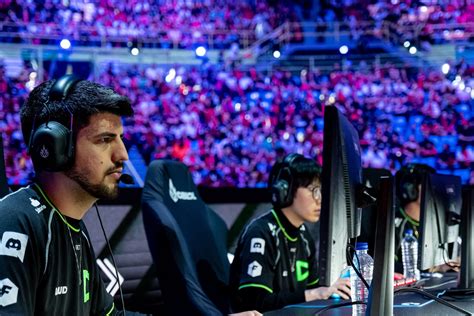
Not all information is created equal, and knowing when to speak is as crucial as knowing what to say. Professional teams establish an implicit or explicit information hierarchy, ensuring that the most critical updates (e.g., enemy ultimate ability used, key player down, objective contested) cut through the noise. Players are often assigned specific communication roles:
- Shotcaller: Dictates macro-level strategy, objective priorities.
- Initiator/Frontline: Calls out enemy positioning, immediate threats, and engages.
- Support/Utility: Tracks enemy cooldowns, provides utility timings, and warns of flanking attempts.
This distributed responsibility prevents communication overload and ensures that vital calls are always made by the most informed player in that specific context. Timeliness is paramount; a callout made too late is often useless.
Emotional Regulation and Psychological Resilience
Perhaps one of the most underrated aspects of pro-level communication is its emotional dimension. Competitive environments are fraught with stress, frustration, and high-pressure moments. Elite players and teams actively work on maintaining composure and a positive mental attitude through their comms. This means:
- Avoiding blame: Focusing on solutions and future plays rather than dwelling on past mistakes.
- Encouraging positivity: Offering constructive feedback and celebrating small victories.
- Managing ’tilt’: Recognizing when a teammate is becoming overwhelmed and stepping in to calm or re-focus them.
Building trust and psychological safety within the team allows players to communicate openly, even when admitting mistakes, which is vital for learning and adaptation.

Dedicated Practice and VOD Review for Comms Improvement
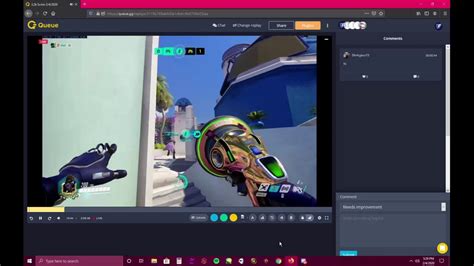
Communication isn’t left to chance; it’s a skill that’s practiced and refined. Pro teams dedicate significant time to reviewing their comms during VOD (Video On Demand) analysis sessions. They scrutinize:
- Missed calls: Identifying situations where critical information was not communicated.
- Redundant calls: Spotting unnecessary chatter that clutters comms.
- Clarity issues: Pinpointing moments where communication was unclear or misunderstood.
- Emotional impact: Analyzing how comms affected team morale and decision-making.
Through this meticulous review, players learn patterns, anticipate needs, and develop a more intuitive understanding of their teammates’ thought processes, leading to more natural and effective communication in real-time. Sometimes, they even conduct ‘comms-only’ practice sessions where they focus purely on vocalizing information without the pressure of in-game execution.
Beyond Verbal: Non-Verbal and Meta-Communication
While voice chat is dominant, pro players also develop a form of ‘meta-communication’ and understand non-verbal cues. This might include:
- Tone and urgency: The inflection in a player’s voice can convey far more than the words themselves.
- In-game pings and markers: Used judiciously, these can complement verbal calls and confirm intentions.
- Developing ‘shorthand’: Over months and years of playing together, teams develop unique verbal shorthand or even single-word calls that carry a wealth of implicit meaning.
These subtle layers of communication allow for even greater speed and precision, enabling split-second reactions that are crucial in high-level play. Regular team discussions outside of the game further strengthen these bonds and shared understanding.

Conclusion: A Continuous Evolution
Improving team comms for competitive synergy is an ongoing, dynamic process for professional esports players. It involves a disciplined approach to clarity, a strategic understanding of information hierarchy, robust emotional regulation, and relentless practice through VOD review. By treating communication as a core skill, as vital as aim or map awareness, pro teams transform a collection of talented individuals into a single, formidable unit capable of executing complex strategies with unparalleled precision and adapting fluidly to any challenge. It is this mastery of the unseen weapon that often separates the good teams from the champions.