What specific game details best secure an Indie Spotlight feature?
Standing Out in a Crowded Market: The Quest for an Indie Spotlight
In the vast and ever-growing landscape of indie games, gaining visibility is often as challenging as the development itself. An “Indie Spotlight” feature, whether from a major platform, a prominent publication, or a dedicated community hub, can be a game-changer, propelling your title into the limelight. But what precisely are the “details” that catch the discerning eye of curators? It’s a blend of intrinsic game quality, thoughtful presentation, and demonstrable potential.
1. Uniqueness and Innovation: Beyond the Familiar
The first and most critical element is what makes your game distinct. Curators are constantly searching for fresh experiences. This doesn’t necessarily mean inventing an entirely new genre, but rather bringing a novel twist to existing mechanics, exploring an untouched theme, or combining elements in an unexpected way. Showcase your core innovation early and clearly.
Highlight specific gameplay mechanics that set your title apart. Is there a unique control scheme, an innovative narrative device, or a system that defies traditional genre expectations? These are the hooks that capture initial interest.
2. Polish and Professionalism: Attention to Detail
While indie games often celebrate experimental charm, a fundamental level of polish is non-negotiable. This encompasses bug-free gameplay, intuitive UI/UX, consistent art direction, and well-balanced mechanics. Even a revolutionary concept can fall flat if it’s riddled with technical issues or feels unfinished.
Curators evaluate not just the idea, but its execution. A strong demo or vertical slice that functions flawlessly and looks visually appealing speaks volumes about your team’s dedication and capability. This shows respect for the player’s time and confidence in your product.
3. A Compelling Visual & Auditory Identity
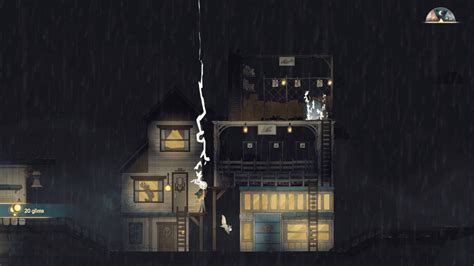
A game’s aesthetic and sound design are often the first impressions. A distinctive art style, whether pixel art, hand-drawn, 3D, or something else entirely, can be instantly recognizable and memorable. It should serve the game’s theme and mechanics, creating a cohesive and immersive experience.
Similarly, high-quality sound design and an engaging soundtrack elevate the emotional impact and atmosphere. Unique sound effects, voice acting, or a memorable score can linger with players long after they’ve stopped playing. These elements contribute significantly to a game’s overall personality.

4. Narrative Depth and Thematic Resonance
Many successful indie games are celebrated for their storytelling, world-building, or the emotional impact they leave on players. Whether it’s an intricate lore, relatable characters, profound themes, or a deeply personal narrative, a strong story can elevate a game beyond mere mechanics.
If your game has a narrative focus, ensure it’s well-written, engaging, and delivers on its promises. For games less focused on traditional narrative, the thematic resonance—what the game is truly about on a deeper level—can still provide a powerful connection with an audience.
5. Demonstrating Progress and Potential: The Power of a Strong Demo
A meticulously crafted demo or vertical slice is paramount. It should not only showcase your game’s unique selling points but also leave a lasting positive impression. This playable segment needs to be representative of the final product’s quality, conveying the core loop and potential depth.
Beyond the game itself, clearly articulate your vision for the full title. What new mechanics will be introduced? How will the story evolve? Show that your project has a clear roadmap and the potential to deliver on its promises.
6. The Professional Press Kit and Developer Story
While not strictly “game details,” how you present those details is crucial. A professional press kit is essential, containing high-resolution screenshots, GIFs, a concise fact sheet, logos, and a compelling trailer. This kit should make it easy for anyone to understand and promote your game.
Furthermore, sharing your developer story—the passion, challenges, and unique perspective behind the game—can create a powerful connection. Curators often look for games with a heart and a dedicated team behind them. Authenticity resonates.

7. Community Engagement & Early Traction
Evidence of genuine player interest and community buzz can significantly boost your chances. This includes strong wishlist numbers (if applicable), active social media engagement, positive feedback from early playtests, or even a successful crowdfunding campaign. These metrics demonstrate that there’s already an audience eager for your game.
Even small accolades, like mentions in smaller gaming blogs or participation in indie showcases, can add credibility. It shows that your game is already on people’s radar and generating excitement.

Conclusion
Securing an Indie Spotlight feature is a holistic endeavor. It demands not just a great game, but also a polished presentation, a compelling narrative, demonstrable player interest, and a unique selling proposition. Focus on refining these specific details, and you’ll significantly increase your chances of standing out and earning that coveted spotlight.