Indie Spotlight: What dev pitch elements boost game discoverability?

The Quest for Visibility: Why Your Pitch Matters More Than Ever
In today’s oversaturated digital storefronts, discoverability is arguably the biggest hurdle for independent game developers. Thousands of games launch every year, and standing out from the crowd requires more than just a great game; it demands a compelling and strategic pitch. Whether you’re presenting to publishers, platform holders, investors, or even directly to players and press, certain elements consistently prove to boost a game’s potential for being seen, understood, and ultimately, found by its audience.
A strong pitch isn’t just about selling your game; it’s about communicating its essence, its appeal, and its market viability in a concise, impactful way. Let’s delve into the key dev pitch elements that can significantly enhance your game’s discoverability.

1. The Crystal-Clear Core Concept & Unique Selling Proposition (USP)
The very first thing any pitch needs is an immediately understandable core concept and a strong Unique Selling Proposition (USP). What genre is your game? What’s the elevator pitch? And most importantly, what makes it different or better than similar games? Publishers and players alike are bombarded with ideas; your pitch needs to cut through the noise by stating your game’s identity and its unique hook right upfront. Is it a rogue-like with time-travel mechanics? A narrative-driven puzzle game set in a haunted library? Be specific, be intriguing, and highlight what sets you apart.
2. Compelling Visual Identity and Aesthetic Appeal
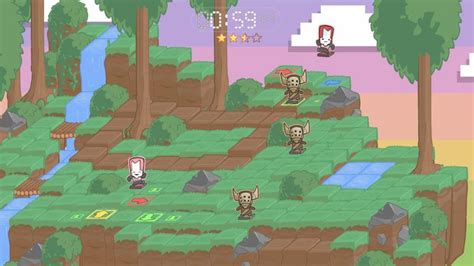
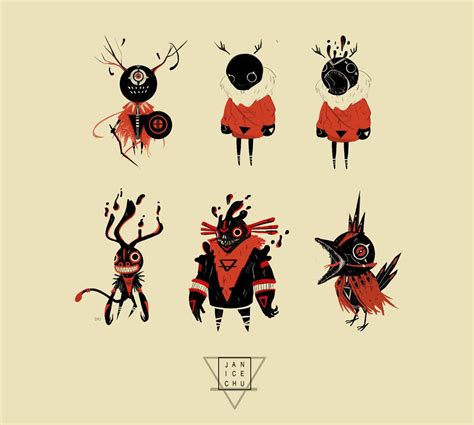
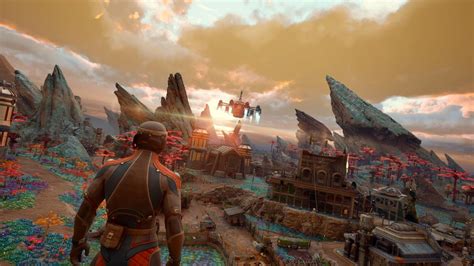
Humans are visual creatures, and games are a visual medium. An indie game’s art style, UI, and overall visual presentation are critical components of a discoverable pitch. High-quality screenshots, concept art, and especially a captivating gameplay trailer are non-negotiable. These visuals should not only look good but also clearly convey the game’s mood, genre, and unique aesthetic. A consistent and appealing visual identity helps your game stick in people’s minds and is often the first touchpoint for potential players or partners.
3. Defined Target Audience & Market Fit
Who is your game for? This seemingly simple question is often overlooked. A pitch that clearly defines its target audience demonstrates a strategic understanding of the market. Are you appealing to fans of classic RPGs, competitive esports players, or casual mobile gamers? Understanding your audience allows you to tailor your messaging, and it assures publishers or investors that there’s a specific group of players waiting for your game. Show that you’ve researched the market, identified your niche, and understand how your game fits within (or expands upon) it.
4. Demonstrable Progress & a Playable Demo/Vertical Slice
Actions speak louder than words, especially in game development. A strong pitch includes proof of concept, ideally in the form of a playable demo, vertical slice, or at the very least, extensive gameplay footage. This shows that your vision is not just theoretical but tangible. A demo allows stakeholders to experience the core loop, understand the mechanics, and get a feel for the game’s potential. It reduces risk for publishers and makes your pitch significantly more credible and memorable than just a concept document.
5. A Glimpse of Your Marketing & Community Strategy
Even at an early stage, including a brief outline of your marketing and community strategy can drastically boost discoverability confidence. This doesn’t mean having a fully fleshed-out plan, but showing you’ve thought about how you’ll reach players is powerful. Are you planning to engage on specific social media platforms? Attend events? Work with influencers? Highlight any existing community you’ve already built, no matter how small. Demonstrating proactive thinking about post-launch visibility shows commitment and foresight.
Conclusion: Crafting Your Path to Discovery
Ultimately, a successful game pitch is a carefully constructed narrative that sells not just a product, but a vision. By focusing on a clear core concept, captivating visuals, a defined audience, demonstrable progress, and a forward-thinking marketing approach, indie developers can significantly improve their chances of breaking through the noise. Discoverability isn’t accidental; it’s the result of a well-crafted, compelling pitch that highlights your game’s unique value and its potential to captivate players. Invest the time in perfecting these elements, and you’ll lay a stronger foundation for your game’s journey to success.