How can we keep game guides updated post-patch for long-term relevance & SEO?

In the fast-paced world of video games, a guide can go from essential to obsolete in a single patch. Developers constantly refine, balance, and expand their games, creating a significant challenge for content creators dedicated to providing accurate and helpful game guides. The question isn’t just how to update them, but how to do so efficiently for long-term relevance and sustained search engine optimization (SEO).
The Ever-Evolving Game World and Its Impact on Guides
Modern games, especially live-service titles, are in a perpetual state of flux. New characters, abilities, items, map changes, and mechanic overhauls are routine. For guide creators, this means a constant battle against information decay. An outdated guide doesn’t just frustrate users; it erodes trust, reduces site authority, and ultimately harms your SEO rankings as users bounce away or search engines flag the content as less authoritative.
The consequences extend beyond user experience. Search engines prioritize fresh, accurate, and relevant content. A guide that hasn’t been updated since a major game change will likely see its rankings plummet, buried under more current information. Therefore, a proactive strategy for post-patch maintenance is not optional, but essential.

Strategic Approaches to Guide Maintenance
Modular Design and Versioning
One of the most effective strategies is to design guides with modularity in mind. Instead of monolithic blocks of text, break down information into smaller, self-contained sections that can be updated independently. For example, a character guide could have separate modules for ‘Abilities,’ ‘Builds,’ ‘Counters,’ and ‘Tips & Tricks.’ When an ability changes, only that specific module needs editing, minimizing effort and risk.
Implementing a versioning system is also crucial. Clearly indicate the game version or patch a guide is relevant for, perhaps at the top of the page. Consider using strikethrough text for outdated information, followed by updated details, showing readers you are actively maintaining the content while preserving historical context. This transparency builds credibility.

Proactive Monitoring and Community Engagement
Staying ahead of the curve requires diligent monitoring. Subscribe to official patch notes, developer blogs, and social media channels. Follow prominent community members, professional players, and content creators who often dissect upcoming changes. Tools like Discord servers dedicated to game communities can provide real-time insights and early warnings of significant shifts.
Actively engage with your own community. Encourage users to report outdated information through comments or a dedicated feedback system. This crowdsourced vigilance can be invaluable, especially for niche details or subtle changes that might escape initial review. Responding promptly to these reports further strengthens your site’s reputation.
Establishing an Update Workflow
Don’t wait for guides to become critically outdated. Establish a dedicated update schedule. For major patches, allocate specific time immediately following their release for reviewing and updating relevant guides. For smaller hotfixes, a weekly or bi-weekly review might suffice. Prioritize guides based on their traffic, competitive landscape, and the severity of changes impacting them.
Enhancing SEO Through Consistent Updates
Regular updates are a powerful SEO signal. Search engines favor websites that consistently provide fresh, accurate content. By updating your guides, you signal to algorithms that your site is an active, authoritative source of information. This can lead to improved rankings and increased organic traffic.
Implement technical SEO best practices for updated content. Ensure your CMS (Content Management System) automatically updates the last-modified date in your article’s metadata. Consider using Schema Markup for articles to explicitly state when content was updated, which can help search engines display this information in search results. Regularly refreshing content provides an opportunity to re-optimize existing keywords and integrate new, trending long-tail keywords that emerge after patches.
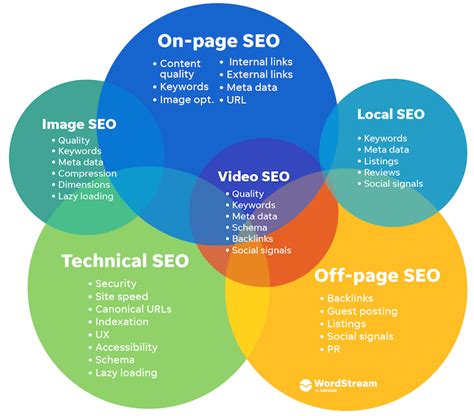
After a significant patch, players often search for terms like “[Game Name] [Character Name] build after patch 1.2” or “best weapons [Game Name] season 3.” Conduct fresh keyword research to capture these evolving search queries and integrate them naturally into your updated content. Promoting your newly updated guides on social media and other platforms also helps in driving initial traffic and signaling relevance to search engines.
Tools and Best Practices for Efficient Management
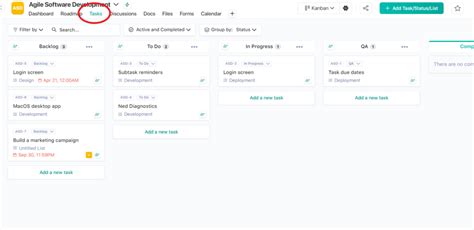
Leverage your CMS’s capabilities. Many platforms offer version control, content staging, and collaborative editing features that streamline the update process. For larger teams, project management tools can help assign and track update tasks. Consider creating a centralized ‘patch impact’ document where significant changes can be logged and cross-referenced with relevant guides.
Finally, always test updated information. Don’t just rely on patch notes; verify changes in-game where possible. This ensures the highest level of accuracy and reinforces your reputation as a reliable source.
Conclusion
Keeping game guides relevant and highly ranked in search engines post-patch is an ongoing commitment. By adopting modular design, proactive monitoring, a structured update workflow, and sound SEO practices, content creators can transform this challenge into an opportunity. Consistently updated guides not only provide superior value to users but also build lasting authority and visibility in the ever-changing landscape of online gaming content.