What’s the best strategy to keep gaming guides updated and SEO-friendly post-launch?

The Ever-Evolving Game World and Guide Longevity
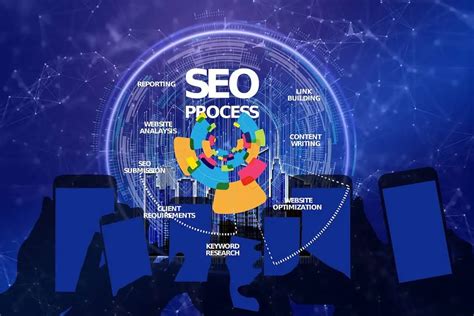
In the dynamic realm of video games, yesterday’s ultimate build might be today’s broken meta, and a crucial quest step can be patched out overnight. For content creators, this presents a significant challenge: how do you ensure your meticulously crafted gaming guides remain accurate, relevant, and visible in search engines long after their initial publication? The answer lies in a robust, post-launch update and SEO strategy.
Foundational Elements for Long-Term SEO
Before diving into continuous updates, establishing a strong foundation is crucial. This involves initial planning that anticipates future changes.
Keyword Research & Evergreen Topics
Begin with comprehensive keyword research that identifies not only current high-traffic terms but also evergreen topics likely to remain relevant throughout a game’s lifecycle. Focus on terms that indicate intent to learn or solve problems, as these users are actively seeking guides.
Modular Guide Structure
Design your guides with a modular structure. Break down complex information into easily digestible, self-contained sections. This makes it simpler to update specific parts without overhauling the entire guide. For instance, have distinct sections for ‘best builds,’ ‘quest walkthrough,’ and ‘item locations’ so you can quickly modify one without affecting the others.

Proactive Update Strategies
Maintaining guide accuracy requires a proactive approach, anticipating and reacting to game changes swiftly.
Scheduled Review Cycles
Implement a calendar for regular guide reviews. Depending on the game’s update frequency, this could be weekly, monthly, or quarterly. Prioritize guides for games with active development or competitive scenes, as these are most prone to rapid changes. During these cycles, check for broken links, outdated information, and new content that could be integrated.
Community Feedback Integration
Encourage users to provide feedback on your guides. Comments sections, forums, or dedicated feedback channels can be invaluable for identifying inaccuracies or areas needing expansion. Acknowledging and acting on community input not only improves accuracy but also fosters a loyal audience.
Monitoring Game Patches & Updates
Stay perpetually informed about game developers’ patch notes, hotfixes, and content updates. Subscribing to official game news, developer blogs, and reputable data-mining sources will give you an early heads-up on changes that will impact your guides. Dedicate time to cross-reference game changes with your existing content.

On-Page SEO for Sustained Visibility
Updating content isn’t just about accuracy; it’s also about ensuring search engines recognize and value your refreshed material.
Regular Keyword Re-evaluation
Search trends evolve. Periodically re-evaluate your target keywords using tools like Google Keyword Planner or Ahrefs. Are there new related terms players are searching for? Can you optimize existing content for new long-tail keywords or incorporate frequently asked questions (FAQs) into your guides?
Internal Linking Optimization
As you create new guides or update old ones, continuously optimize your internal linking structure. Link relevant guides to each other to improve crawlability, distribute ‘link juice,’ and keep users engaged on your site. Update anchor text where appropriate to reflect new keywords or content.
Schema Markup for Rich Snippets
Implement or update Schema Markup where applicable (e.g., HowTo, Q&A, VideoObject). This helps search engines understand the content’s context and can lead to rich snippets in search results, significantly increasing click-through rates. Ensure your schema is accurate and up-to-date with your content.

Technical SEO & User Experience Considerations
Beyond content and keywords, the technical health and user experience of your guides play a vital role in SEO.
Page Speed & Mobile Responsiveness
Regularly audit your page speed and mobile responsiveness. Large images, excessive scripts, or inefficient code can slow down your site, negatively impacting both user experience and search rankings. Tools like Google PageSpeed Insights can help identify areas for improvement. A fast, mobile-friendly guide is a more accessible and appealing guide.
Content Freshness Signals
While Google often states freshness isn’t a direct ranking factor for all queries, updating content does send positive signals. When you make substantial, meaningful updates, consider changing the ‘last modified’ date. This helps users and search engines see that the content is current and reliable.

Leveraging Analytics for Smarter Updates
Data is your best friend in refining your post-launch strategy. Don’t guess; analyze.
Tracking Performance Metrics
Utilize tools like Google Analytics and Google Search Console to track key performance indicators (KPIs) such as organic traffic, bounce rate, time on page, and keyword rankings. Identify guides that are declining in performance and prioritize them for updates. Look for keywords where your guides are ranking on page two or three – these are often prime candidates for optimization to push them higher.
Identifying Content Gaps
Analytics can also reveal content gaps. What questions are users asking that your guides aren’t answering? What related topics are performing well for competitors? Use this information to expand existing guides or develop new ones, ensuring comprehensive coverage of the game’s ecosystem.

The Ongoing Journey of Guide Management
Keeping gaming guides updated and SEO-friendly post-launch is not a one-time task but an ongoing commitment. By combining strategic content planning, proactive update cycles, continuous SEO optimization, technical vigilance, and data-driven decisions, you can ensure your gaming guides not only remain accurate and valuable to your audience but also consistently rank well, driving sustained traffic and cementing your authority in the gaming content space.