





How to make guides more concise without losing crucial game info?
Crafting a truly effective game guide is a delicate balancing act. You want to provide all the necessary information for players to succeed, but you also don’t want to overwhelm them with endless text or irrelevant details. The challenge lies in achieving conciseness without sacrificing the crucial insights that make a guide valuable. This article will explore methods to streamline your guides, making them more digestible and impactful for your audience.
Understand Your Audience and Purpose
Before you even begin writing, consider who your guide is for and what they hope to achieve. Are you targeting new players needing basic mechanics, or veterans looking for advanced strategies? Knowing your audience dictates the level of detail required. If your guide’s purpose is to help players beat a specific boss, then every piece of information should directly contribute to that goal. Eliminate anything that doesn’t serve the core objective.
Prioritize Crucial Information
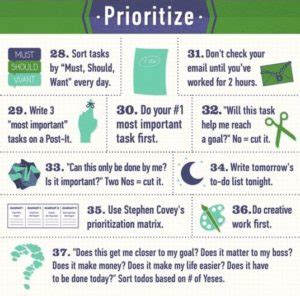
Not all information carries equal weight. Identify the absolute must-know facts, tips, and steps. These are the elements that directly impact player success and enjoyment. Supplementary details, while sometimes interesting, can often be condensed, moved to an appendix, or even omitted if they don’t serve the primary goal. Use techniques like bolding, highlighting, or dedicated ‘Important’ sections to draw attention to critical data points.
Employ Concise Language and Formatting
Wordiness is the enemy of conciseness. Get straight to the point using active voice and strong verbs. Avoid unnecessary jargon where simpler terms suffice. One of the most effective ways to condense information is through smart formatting. Utilize bullet points for lists of items, steps, or tips. Numbered lists are excellent for sequential instructions. Tables can efficiently present comparative data, stats, or requirements in a highly scannable format, drastically reducing paragraph count.
Break down complex paragraphs into smaller, more manageable chunks. Each paragraph should ideally focus on a single idea. If you find yourself writing very long sentences, try splitting them into two or more shorter, clearer sentences. This improves readability and makes information easier to digest at a glance.
![PPT - [DOWNLOAD IN @PDF] The Ultimate Guide to Video Game Writing and ...](/images/aHR0cHM6Ly90czEubW0uYmluZy5uZXQvdGg/aWQ9T0lQLnNBOTV1RktFYU1faDA3YndBMWptbGdIYUZQJnBpZD0xNS4x.webp)
Structure for Scannability
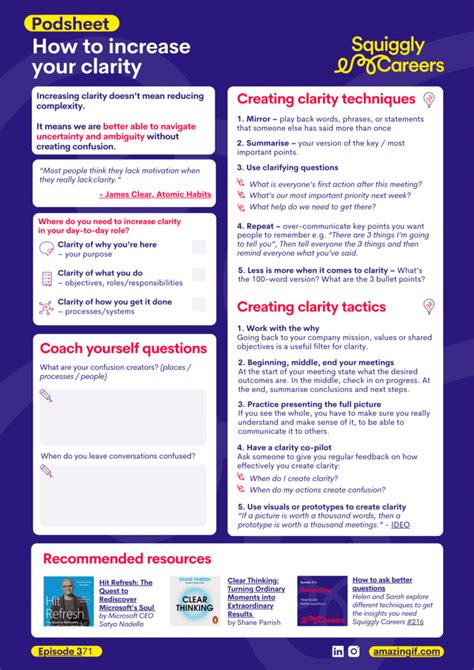
A well-structured guide allows readers to quickly find the information they need without reading every word. Use clear, descriptive headings (H2, H3) that accurately reflect the content of each section. Think of them as signposts. A table of contents at the beginning can also be invaluable for longer guides, providing an immediate overview and quick navigation. Consistent formatting and spacing help create a visually appealing and organized layout.
Leverage Visuals and External Resources
Sometimes, a picture is worth a thousand words. Screenshots, maps, diagrams, and short video clips (linked, not embedded directly in text) can convey complex information far more efficiently than text alone. Use visuals to illustrate locations, item appearances, enemy attack patterns, or puzzle solutions. If a concept requires extensive explanation that would bloat your main guide, consider providing a link to an external detailed resource or a separate ‘Advanced Tips’ section rather than including it directly.
Review and Refine Relentlessly
After drafting your guide, step away from it for a while. Come back with fresh eyes and ruthlessly edit for conciseness. Read through each sentence and ask: “Is this absolutely necessary? Can I say this more simply?” Remove redundant phrases, unnecessary adverbs, and filler words. Get feedback from others; they might spot areas where clarity is lacking or where information can be further condensed. Test your guide by trying to follow its instructions yourself—this often reveals gaps or verbose sections.
Conclusion
Creating concise yet comprehensive game guides is an art form that prioritizes the reader’s time and understanding. By focusing on your audience, prioritizing essential information, using efficient language and formatting, structuring for scannability, leveraging visuals, and committing to rigorous refinement, you can produce guides that are not only informative but also a pleasure to use. The goal isn’t just to provide information, but to provide it effectively and efficiently, empowering players without overwhelming them.



