How to structure game guides for quick, spoiler-free info?

Creating a truly effective game guide isn’t just about compiling information; it’s about presenting it in a way that is immediately useful, easy to navigate, and crucially, free from unwanted spoilers. Players often seek specific answers to overcome a challenge, locate an item, or understand a mechanic without ruining their overall experience. This guide will outline key strategies for structuring your game guides to achieve this delicate balance.
Embrace Modular Information Blocks
The foundation of a great spoiler-free guide lies in its modularity. Instead of long, sprawling paragraphs, break down every piece of information into distinct, self-contained blocks. Each block should address a single query or a very specific aspect of the game, such as “How to defeat Boss X,” “Where to find Item Y,” or “Solution to Puzzle Z.” This approach allows users to quickly scan for the exact information they need without being exposed to irrelevant details or upcoming plot points.

Implement Clear, Descriptive Headings and a Table of Contents
Navigation is paramount. Utilize clear, descriptive headings (H2, H3) that accurately reflect the content of each section. For larger guides, a dynamic Table of Contents (TOC) at the beginning, featuring internal links to each heading, is invaluable. This empowers users to jump directly to the relevant part of the guide, bypassing any sections that might contain spoilers for content they haven’t reached yet or simply don’t care about.
Strategic Spoiler Tagging and Warnings
When spoilers are unavoidable (e.g., explaining a boss’s weakness that reveals a plot twist), implement explicit spoiler warnings or use collapsible elements. A simple phrase like “SPOILER WARNING: Click to reveal crucial plot details” above a hidden block of text allows players to decide if they want to proceed. For guides covering story-rich games, consider dedicating a separate, clearly labeled “Story & Lore” section distinct from “Gameplay & Mechanics” to segregate information effectively.

Prioritize “Need-to-Know” Information
Focus on delivering the most critical information first and foremost. Players often visit guides when they’re stuck. Ensure that solutions to common roadblocks, quest objectives, optimal strategies, and item locations are presented clearly and concisely. Avoid unnecessary flavor text or lengthy introductions to individual sections. Get straight to the point, offering direct answers to the most probable questions a player might have at that specific juncture in the game.

Leverage Visuals Judiciously
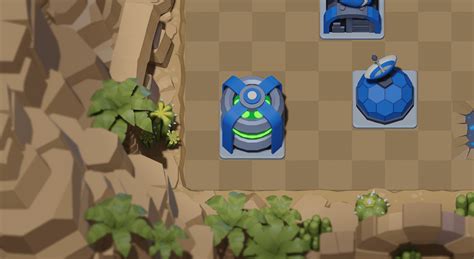
Images, maps, and even short GIFs can convey information much faster than text, but they must be used carefully to avoid spoilers. For instance, a map highlighting a hidden item’s location is useful, but a screenshot showing a future boss battle area could be a spoiler. Use visuals to pinpoint locations, illustrate puzzle solutions, or show specific mechanics without revealing story-critical scenes or character designs unless explicitly warned.
Maintain Consistent Formatting and Language
A consistent writing style and formatting improve readability and user experience. Use bullet points for lists, bold key terms for emphasis, and keep sentences concise. Employ neutral language that focuses on objective facts rather than subjective opinions, unless the guide is specifically styled as a review or opinion piece. This consistency helps players quickly absorb information without cognitive overload.
Conclusion
Structuring game guides for quick, spoiler-free access requires a deliberate approach focused on modularity, clear navigation, and user autonomy. By breaking down information, providing explicit warnings, prioritizing essential details, and using visuals thoughtfully, guide creators can significantly enhance the experience for players, helping them progress without compromising the joy of discovery or story progression. A well-structured guide doesn’t just provide answers; it empowers players to find those answers on their own terms.