What key info helps our Indie Spotlight reviewers find truly unique games?

Beyond the Buzz: Unearthing True Innovation in Indie Games
In the vast and ever-expanding universe of independent games, standing out is not just a goal – it’s a necessity. Our Indie Spotlight series aims to celebrate the innovative, the daring, and the truly unique titles that push creative boundaries. But with countless submissions, what key information truly helps our dedicated reviewers cut through the noise and identify those rare gems that deserve the spotlight?
It boils down to clarity, passion, and a deep understanding of your game’s soul. We’re looking for more than just a good game; we’re seeking a distinctive experience that resonates long after the credits roll.

The Core Concept: What’s Your Elevator Pitch?
The single most important piece of information is your game’s core concept, distilled into an irresistible elevator pitch. This isn’t just about genre; it’s about the unique blend of mechanics, narrative, and aesthetic that defines your title. Reviewers want to immediately grasp what makes your game different from anything else they’ve played. Is it a puzzle game with a time-bending mechanic? A narrative adventure where player choices redefine reality? Articulate this with precision and passion.
Unique Mechanics and Gameplay Loops
While a compelling story or stunning visuals can draw players in, it’s often the gameplay mechanics that cement a game’s uniqueness. Don’t just list features; explain how they interact to create a novel experience. What specific actions can players take that they can’t in other games? How do these mechanics contribute to the overall feel and challenge of your game? Provide concrete examples of your core gameplay loop and how it evolves.

Artistic Vision and Aesthetic Identity
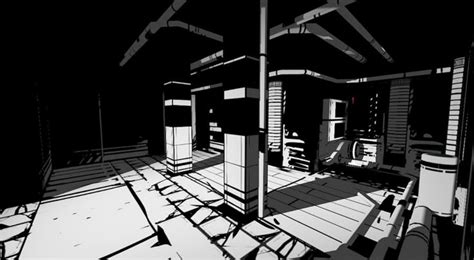
The visual and auditory identity of your game can be a powerful differentiator. Our reviewers are keen to understand the artistic vision behind your project. Is there a specific art style you’re emulating or pioneering? What themes or emotions does your aesthetic aim to evoke? Similarly, how does your sound design or original soundtrack contribute to the atmosphere and narrative? Showcase concept art, screenshots, and discuss the intentional choices behind your game’s look and feel.
Narrative Innovation and World-Building
For games with a strong narrative component, the story itself or the way it’s told can be incredibly unique. Are you exploring unconventional themes, presenting a non-linear narrative, or immersing players in a richly detailed world unlike any other? Describe the foundational elements of your lore, character motivations, and how players will engage with the story. Avoid spoilers for the sake of the player experience, but hint at the depth and originality your narrative offers.
The ‘Why’: Your Inspiration and Development Journey
Sometimes, the story behind the game is almost as compelling as the game itself. What inspired you to create this particular title? What challenges did you overcome? Understanding the development journey and the passion driving your team can provide invaluable context. It humanizes the project and helps reviewers connect with the creators’ vision, often highlighting the unique perspective brought to the game.
What Makes It NOT Like Other Games?
Perhaps the most direct way to convey uniqueness is to explicitly state what sets your game apart from its closest genre peers. Instead of saying, “It’s a platformer,” explain, “It’s a platformer where gravity is a player-controlled resource, leading to dynamic puzzles and combat encounters.” Highlight your competitive advantages and the specific innovations that make your game a fresh voice in the indie landscape.
Conclusion: Be Clear, Be Concise, Be You
Ultimately, helping our Indie Spotlight reviewers find your truly unique game means presenting your vision with clarity, conciseness, and authenticity. Focus on what makes your game special – its core hook, innovative mechanics, distinctive art, compelling narrative, and the passion that fueled its creation. Provide just enough detail to spark curiosity, leaving the deeper exploration for the gameplay itself. Your game is unique; make sure the information you provide reflects that individuality from the very first impression.