How to structure game walkthroughs to avoid spoilers but remain actionable?
The Delicate Balance: Actionability vs. Spoilers
Creating a truly effective game walkthrough is an art form. It requires a delicate balance between providing clear, actionable steps that help players overcome challenges, and preserving the integrity of the game’s narrative and surprises. No one wants a walkthrough that spoils the best parts, yet a guide that’s too vague is equally unhelpful. The key lies in strategic structuring and thoughtful presentation.
Modular Design and Sectioned Progress
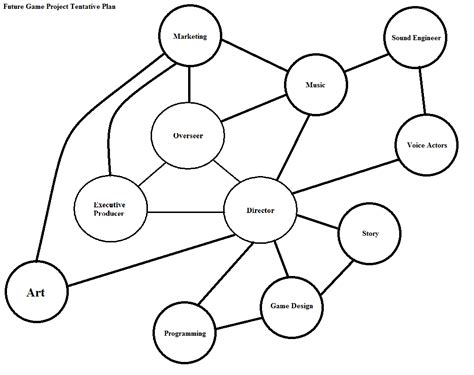
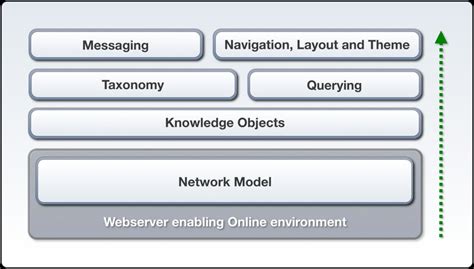
One of the most effective ways to avoid spoilers while remaining actionable is to adopt a modular design. Break down the game into distinct, manageable sections, typically aligned with in-game chapters, missions, or geographical areas. Each section should have its own clear heading and focus on a specific objective or challenge. This allows players to quickly navigate to their exact point of need without scrolling through content that might reveal future events.
Within these modules, further subdivide content into smaller, focused paragraphs or bullet points. For instance, a section for ‘Chapter 3: The Whispering Woods’ could have subsections like ‘Navigating the Forest’, ‘Locating the Ancient Key’, and ‘Boss Battle: Forest Guardian’. This level of granularity ensures players can find immediate help for their current predicament without stumbling upon details about the overarching plot of Chapter 5.
Implementing Spoiler Warnings and Collapsibles
For unavoidable spoiler-heavy sections, explicit warnings are crucial. Clearly mark any paragraphs, images, or entire sections that contain significant plot reveals, major twists, or puzzle solutions that might ruin the discovery process. Even better, utilize interactive elements like collapsible/expandable sections or ‘click to reveal’ toggles. This empowers players to choose whether they want to see the spoiler information, making the walkthrough accessible to both those who want a pure, unadulterated experience and those who are truly stuck and need the direct answer.

Focusing on Mechanics and Objectives
Instead of detailing what *will* happen, focus on *how* to make things happen. Guide players through game mechanics, optimal strategies for combat encounters, puzzle-solving logic, and item acquisition routes. For example, rather than saying, “After you defeat the Shadow Lord, he reveals he’s your long-lost brother,” an actionable, spoiler-free approach would be, “The Shadow Lord is vulnerable to arcane damage during his second phase; focus on dodging his ground slam attack.” The emphasis shifts from narrative events to practical gameplay advice.
Progressive Hints and Layered Information
Consider a tiered approach to providing information. Start with a subtle hint or a general direction, then offer increasingly specific details if the player needs more help. This could be achieved through a “Hint 1,” “Hint 2,” “Full Solution” structure, perhaps within a collapsible section. This method allows players to get just enough guidance to nudge them in the right direction, preserving the satisfaction of figuring things out themselves, only resorting to direct answers when absolutely necessary.
Strategic Use of Visuals (Without Revealing Too Much)
Images and maps are incredibly helpful but must be used judiciously. Instead of showing a screenshot of a major boss’s final form or a key story moment, opt for more neutral visuals. Think about maps with general markers (e.g., “Quest Objective A” rather than “Meet the Traitor Here”), item location diagrams, or screenshots that illustrate a combat mechanic or an environmental puzzle without revealing its solution or context. Ensure any visual aid enhances actionability without prematurely revealing narrative elements.
Dedicated Lore and Story Sections
For games rich in narrative, consider having entirely separate sections or appendices dedicated to lore, character backstories, and plot summaries. These sections should be clearly labeled and positioned at the very end of the walkthrough or in their own distinct part of the guide. This allows players who have completed the game, or those who simply want to dive deeper into the world, to access this information without it interfering with the main, spoiler-free progression guide.

Conclusion: Guiding Without Giving Away the Journey
Structuring game walkthroughs to be both actionable and spoiler-free is a continuous balancing act. By embracing modular design, utilizing clear warnings and interactive elements, focusing on mechanics over narrative, and offering progressive hints, authors can create guides that truly serve the player. The goal is to empower players to overcome obstacles and enjoy their gaming experience to the fullest, preserving the joy of discovery while providing a lifeline when the challenge becomes too great.