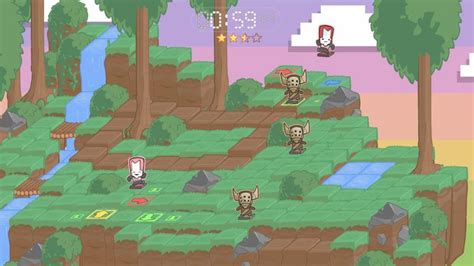
Indie devs: How to get your game noticed for our spotlight? Maximize visibility!
In the crowded and vibrant world of independent game development, standing out can feel like an insurmountable challenge. Thousands of incredible games are released annually, all vying for player attention and critical acclaim. For indie developers, getting a game noticed for a valuable spotlight – be it on a major platform, a popular publication, or a dedicated indie showcase – is often the key to breaking through the noise and finding an audience. But how do you catch the eye of curators and maximize your visibility? It’s a strategic process that combines strong game development with proactive, smart marketing.
Build a Polished Foundation: Your Game and Its Presence
Before you even think about pitching, ensure your game itself is in the best possible state. A buggy, unpolished game, no matter how innovative its concept, will struggle to impress. Focus on quality gameplay, engaging mechanics, and a stable build. Beyond the game, your public-facing presence is paramount.
Master Your Store Page and Press Kit
Your game’s store page (Steam, Itch.io, Epic Games Store, etc.) is your primary shop window. Invest time in crafting a compelling description that highlights your unique selling points. Use eye-catching screenshots and a captivating trailer that showcases gameplay, art style, and core mechanics. A well-organized press kit, easily accessible from your website or store page, is equally crucial. This kit should include high-resolution logos, screenshots, key art, a concise press release or game description, and contact information. Make it effortless for journalists and curators to find what they need.
Engage, Connect, and Be Seen
Visibility isn’t just about passive presence; it’s about active engagement. Building a community around your game and networking within the industry can significantly boost your chances of being noticed.

Leverage Social Media and Community Building
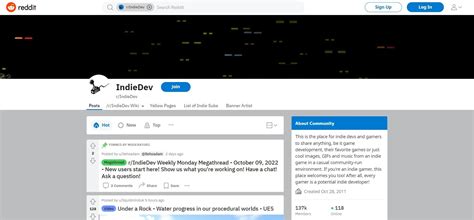
Actively participate on platforms like Twitter, TikTok, Reddit, and Discord. Share development updates, intriguing GIFs, and behind-the-scenes glimpses. Engage with your audience, answer questions, and foster a sense of community. Consistency is key here; regular, valuable posts keep your game top-of-mind. Join relevant subreddits and Discord servers, but always contribute genuinely rather than just self-promoting.
Network with Industry Professionals and Influencers
Attend virtual or physical game development conferences and expos. Network with other developers, publishers, journalists, and content creators. Building relationships can open doors to feedback, collaborations, and, crucially, coverage. Reach out to smaller streamers and YouTubers who might be interested in your game – a positive review from a respected voice, even a niche one, can generate significant traction.
Craft a Compelling Pitch and Follow Guidelines
When it comes time to directly approach platforms or publications for a spotlight, your pitch is everything. It needs to be concise, clear, and compelling.
Highlight Your Unique Selling Proposition (USP)
What makes your game different? What’s its hook? Is it the art style, a novel mechanic, a compelling story, or a unique genre blend? Clearly articulate your USP within the first few sentences of your pitch. Provide a brief overview of the gameplay and target audience, but always circle back to what makes your game stand out from the crowd.
Adhere to Submission Guidelines
If the platform or publication has specific submission guidelines for indie spotlights, follow them meticulously. Ignoring instructions demonstrates a lack of professionalism and can quickly get your game overlooked. Provide all requested materials, hit deadlines, and keep your communication professional and respectful.
The Long Game: Persistence and Adaptability
Getting noticed rarely happens overnight. It’s an ongoing process of development, marketing, and refinement.
Iterate, Update, and Learn
Release regular updates for your game, address player feedback, and continue to improve the experience. Each significant update can be an opportunity for a new marketing push and a chance to re-engage with press or curators. Pay attention to analytics and community feedback to understand what resonates and what needs improvement.

Be Patient and Persistent
Don’t be discouraged by initial rejections or a lack of immediate attention. The indie game landscape is constantly shifting. Keep refining your game, continue your outreach efforts, and always be on the lookout for new opportunities. Sometimes, a game finds its audience months or even years after its initial release. Your passion and persistence are your greatest assets.
Conclusion
Securing an indie spotlight requires a blend of creative game development and shrewd marketing. By focusing on a polished product, building a vibrant community, crafting effective pitches, and maintaining a persistent, adaptable approach, you significantly increase your game’s chances of breaking through and capturing the attention it deserves. Your unique vision deserves to be seen – go out there and make it happen!