Why is my gaming PC stuttering with high FPS? Common fixes?

You’re in the middle of an intense gaming session, your FPS counter is proudly displaying triple digits, yet the game feels choppy and unresponsive. This frustrating phenomenon, known as micro-stuttering or inconsistent frame pacing, can ruin the immersive experience even when your hardware seems to be performing well. While low FPS directly translates to a poor gaming experience, stuttering at high FPS indicates a different, often more elusive, problem.
Understanding Stuttering vs. Low FPS
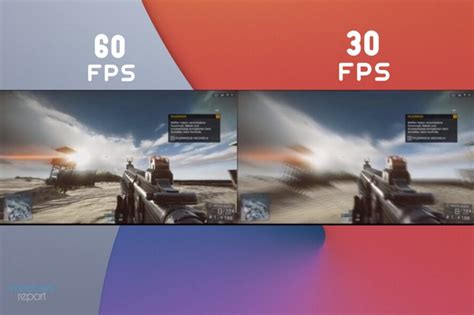
To grasp why your PC stutters despite high FPS, it’s crucial to understand frame time. While FPS (Frames Per Second) tells you the average number of frames rendered per second, frame time measures the time it takes to render each individual frame. A high FPS count with inconsistent frame times means some frames are delivered very quickly, while others take noticeably longer, creating unevenness that manifests as stuttering or choppiness, even if the average FPS is high.
Think of it like driving a car: high FPS is the average speed, but stuttering is like constantly hitting the brakes and then accelerating quickly – the average speed might be good, but the ride is uncomfortable.
Common Causes of Stuttering with High FPS
Pinpointing the exact cause can be tricky as multiple factors can contribute to inconsistent frame pacing. Here are the most common culprits:
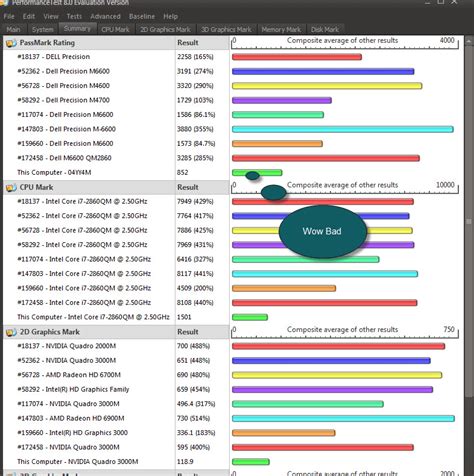
1. Inconsistent Frame Pacing
- The Core Issue: Your GPU might be rendering frames quickly, but if the CPU or other components can’t keep up with delivering them to the display consistently, you get stutter.
2. Driver Issues
- Outdated or Corrupt GPU Drivers: The most frequent offender. Graphics drivers are critical for smooth communication between your GPU and the game.
- Chipset Drivers: Less common but can impact overall system stability and communication.
- Audio Drivers: Believe it or not, sometimes audio driver conflicts can introduce stuttering.
3. Software Conflicts & Background Processes
- Overlays: Discord, GeForce Experience, Xbox Game Bar, or Steam overlays can sometimes interfere.
- Background Applications: Browsers with many tabs, streaming software, anti-virus scans, or other demanding programs can hog CPU/RAM resources.
- Windows Game Mode: Sometimes, this feature can inadvertently cause issues instead of solving them.
4. Power Management Settings
- CPU/GPU Throttling: If your Windows power plan is set to ‘Balanced’ or ‘Power Saver,’ your components might not be getting enough juice or operating at full clock speeds during intense gaming.
- GPU Power Limit: Some GPUs have power limits set in their control panel or BIOS that can restrict performance.
5. Thermal Throttling
- Overheating CPU/GPU: When components get too hot, they automatically reduce their clock speeds to prevent damage, leading to sudden performance drops and stuttering.

6. RAM Issues
- Insufficient RAM: If you don’t have enough RAM for the game and background processes, your system will rely on slower page files on your storage drive.
- Incorrect XMP Profile: RAM not running at its advertised speed can bottleneck your CPU.
- Faulty RAM: Though rare, defective RAM sticks can cause instability.
7. Storage Issues
- Slow HDD: If the game is installed on an old, fragmented HDD, asset loading can cause stutters.
- SSD Health: A nearly full or failing SSD can also experience slowdowns.
8. Monitor Refresh Rate, VSync, G-Sync/FreeSync Mismatches
- VSync Issues: Can introduce input lag and sometimes stuttering if FPS drops below the refresh rate.
- Adaptive Sync Problems: G-Sync or FreeSync might not be properly enabled, or conflicts can arise if the FPS fluctuates wildly outside their effective range.
9. Game-Specific Optimization & Bugs
- Some games are simply not well optimized or have known bugs that cause stuttering, regardless of your hardware.
10. CPU Bottleneck
- While your FPS may be high, if your CPU struggles to process game logic and prepare frames for the GPU quickly enough and consistently, it can lead to micro-stutters.
Solutions and Troubleshooting Steps
Addressing stuttering requires a systematic approach. Try these fixes one by one, testing after each change:
1. Update & Reinstall Drivers
- GPU Drivers: Use DDU (Display Driver Uninstaller) to perform a clean uninstallation of your current GPU drivers, then download and install the latest stable version directly from NVIDIA, AMD, or Intel’s website. Avoid beta drivers unless specifically recommended for a game.
- Chipset Drivers: Update your motherboard’s chipset drivers from your motherboard manufacturer’s website.
- Audio Drivers: Ensure your audio drivers are up to date.
2. Monitor Temperatures
- Use tools like HWMonitor or MSI Afterburner to keep an eye on your CPU and GPU temperatures during gaming.
- Clean out dust from your PC case, CPU cooler, and GPU fans. Consider reapplying thermal paste if temperatures are consistently high.
3. Optimize Power Settings
- Windows Power Plan: Go to ‘Control Panel’ > ‘Hardware and Sound’ > ‘Power Options’ and select ‘High Performance’ or ‘Ultimate Performance’ (if available).
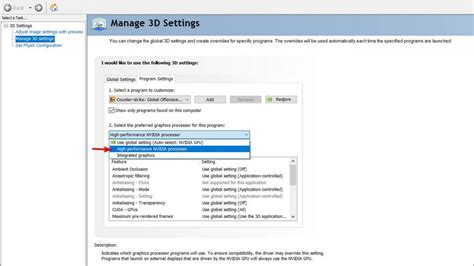
- GPU Control Panel: In NVIDIA Control Panel or AMD Radeon Software, ensure power management mode is set to ‘Prefer maximum performance’ for gaming profiles.
4. Manage Background Processes & Overlays
- Close all unnecessary applications before launching a game.
- Disable overlays (Discord, GeForce Experience, Xbox Game Bar) one by one to see if any are causing conflicts.
- Temporarily disable your anti-virus or whitelist your game folder to see if it’s interfering.
5. Adjust In-Game & Display Settings
- VSync/Adaptive Sync: Experiment with VSync (on/off) or ensure G-Sync/FreeSync is correctly configured and enabled in both your GPU control panel and monitor settings. Often, an FPS cap slightly below your monitor’s refresh rate (e.g., 141 FPS for a 144Hz monitor with G-Sync/FreeSync) provides the smoothest experience.
- DirectX Version: If a game supports both DX11 and DX12, try switching between them as one might perform better.
- Frame Rate Cap: Try capping your in-game FPS slightly below your average maximum to stabilize frame times.
6. Check RAM and Storage
- XMP/DOCP: Ensure your RAM’s XMP (Intel) or DOCP (AMD) profile is enabled in your motherboard’s BIOS/UEFI to run it at its advertised speed.
- Storage Health: Use CrystalDiskInfo to check the health of your SSDs/HDDs. Ensure you have ample free space on your game drive and OS drive.
- Disk Defragmentation/Trim: For HDDs, regularly defrag. For SSDs, ensure TRIM is enabled (Windows usually handles this automatically).
7. Windows Optimization
- Disable Game Mode: Go to ‘Settings’ > ‘Gaming’ > ‘Game Mode’ and try turning it off.
- Disable unnecessary startup programs: Use Task Manager > ‘Startup’ tab.
- Consider a clean Windows installation if all else fails and your OS feels bloated or unstable.
8. Monitor Resource Usage
- Use Task Manager (Ctrl+Shift+Esc) or dedicated tools like MSI Afterburner (with RivaTuner Statistics Server) to monitor CPU usage, GPU usage, RAM usage, and VRAM usage while gaming. Look for spikes or components hitting 100% utilization, which might indicate a bottleneck.
Stuttering with high FPS can be incredibly frustrating, but it’s usually a fixable problem. By methodically working through these common causes and solutions, you can identify the culprit and restore the smooth, fluid gaming experience your powerful PC is capable of delivering.