





When creating game walkthroughs, how do we balance comprehensive detail with spoiler avoidance?
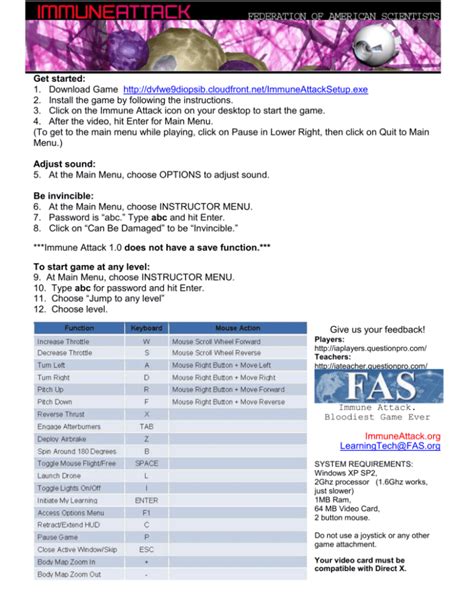
Creating a truly valuable game walkthrough is an art form. On one hand, players turn to guides because they’re stuck, seeking precise instructions to overcome a challenge, locate a hidden item, or conquer a difficult boss. On the other hand, the core joy of gaming often lies in discovery, narrative progression, and the thrill of overcoming obstacles independently. The paramount challenge for any walkthrough creator, then, is to provide maximum utility without inadvertently ruining a player’s experience through spoilers.
The Dual Nature of Walkthroughs
Players consult walkthroughs for a myriad of reasons. Some are completionists, meticulously hunting every collectible. Others are casual players who just need a nudge past a frustrating puzzle. Then there are those who simply want to understand lore or optimal build strategies post-game. Each of these motivations demands a different level of detail and sensitivity to spoilers. A walkthrough that dumps critical story revelations upfront serves no one well, just as one that’s too vague to be useful also fails.

Mastering Spoiler Avoidance Techniques
Effective spoiler avoidance begins with a proactive and thoughtful approach to content structuring. The most straightforward method is clear and consistent warning labels. At the beginning of a guide, a general disclaimer about potential spoilers is crucial. Furthermore, before sections containing significant plot points, boss reveals, or secret endings, specific warnings like “MAJOR STORY SPOILERS AHEAD” or “OPTIONAL BOSS STRATEGY” are essential. This empowers players to decide how much they want to see.
Another powerful technique is progressive revelation. Instead of detailing an entire boss fight strategy or puzzle solution immediately, offer hints or the first step. For instance, for a puzzle, suggest looking for clues in the environment rather than directly stating the combination. For a boss, start with its basic attack patterns before diving into its weaknesses or specific phase transitions. This allows players to glean just enough information to get unstuck while preserving the sense of achievement.
Consider segmenting your walkthrough. Dedicated sections for story summaries, secret collectibles, or post-game content can be separated from the main path. These sections can be clearly marked as containing spoilers, allowing players to access the core progression guide without risk, and only delve into the spoiler-heavy parts when they’re ready.
Delivering Comprehensive Detail Effectively
While spoiler avoidance is critical, the walkthrough must still deliver on its promise of comprehensive detail. This means clear, step-by-step instructions for quests and objectives. For puzzles, provide logical breakdowns rather than just solutions. For combat encounters, detail enemy attack patterns, weaknesses, recommended gear, and effective strategies. Maps, annotated with points of interest, collectible locations, and optimal paths, are invaluable tools.
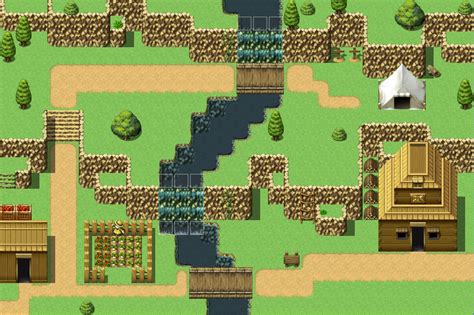
When describing item locations or hidden secrets, be precise. Use landmarks, cardinal directions, and even screenshots (if the platform allows for empty src attributes) to guide players. For RPGs or games with character progression, detail optimal builds, skill point allocations, and quest rewards, but perhaps in a dedicated ‘Advanced Strategies’ section that players can choose to visit.
Tailoring to the Game and Audience
The balance point shifts depending on the game genre and the expected audience. A narrative-driven RPG will require far more caution around story spoilers than a puzzle game or a fighting game. Similarly, a walkthrough aimed at speedrunners will prioritize efficiency and detailed mechanics, potentially at the cost of some narrative surprise, while a guide for casual players will lean towards minimal spoilers and simple solutions.

Always put yourself in the player’s shoes. What information would have helped you without ruining the fun? What would have frustrated you? This empathy is key to striking the right balance. Consider creating an interactive element, if your platform allows, where players can reveal hints progressively or toggle spoiler sections on/off.
Practical Application and Best Practices
- Use Headings and Subheadings: Structure your content logically. Use
<h2>for major sections and<h3>for specific quests or challenges. - Clear Language: Avoid jargon unless absolutely necessary and explain it. Keep sentences concise and direct.
- Bullet Points and Numbered Lists: Excellent for step-by-step instructions, item lists, or boss attack patterns, making information easily digestible.
- Consistent Formatting: Apply the same spoiler warnings, formatting for item names, and instructional style throughout the guide.

Gather feedback from early readers or a test audience. Their input can highlight sections that are too spoiler-heavy or not detailed enough. Walkthroughs are living documents; be prepared to refine and update them based on player needs and game updates.
The Future of Guided Gaming
As games become more complex and interconnected, the demand for sophisticated walkthroughs will only grow. Future guides might leverage AI to dynamically adjust spoiler levels based on a player’s progress or preferences, or incorporate augmented reality to overlay hints directly onto game environments. However, the fundamental principle will remain: to assist without detracting from the player’s intrinsic joy of discovery and achievement.

Ultimately, balancing comprehensive detail with spoiler avoidance is about respect for the player’s experience. A well-crafted walkthrough should feel like a helpful companion, offering guidance when needed, but always allowing the player to be the hero of their own story.



