How can mod creators effectively foster a positive community & manage toxic feedback?
Creating modifications for games is a passion project for many, but the journey extends far beyond just coding and asset creation. A significant, often overlooked, aspect is the community that forms around your work. For mod creators, cultivating a positive, supportive environment and effectively managing the inevitable toxic feedback are crucial for long-term success and personal well-being.
Establishing Clear Community Guidelines
The first step in fostering a positive community is to set clear expectations from the outset. Develop a comprehensive set of community guidelines or a code of conduct that outlines acceptable and unacceptable behavior. Make these rules easily accessible on your mod’s page, Discord server, or forum. Be explicit about what constitutes respectful interaction, constructive criticism, and what crosses the line into harassment or toxicity. This proactive approach gives you a clear framework for moderation and empowers community members to understand the standards.

Promoting Transparency and Open Communication
Mod creators who are transparent about their development process, future plans, and even challenges tend to build stronger trust with their community. Regular updates, Q&A sessions, and open discussions about design decisions or bugs can make users feel valued and invested. When issues arise, addressing them openly and honestly, rather than ignoring them, can prevent speculation and diffuse potential tension. Encourage constructive dialogue by actively participating in discussions and modeling the behavior you wish to see.
Empowering and Engaging Your Userbase
A positive community thrives when its members feel empowered and have a sense of ownership. Actively solicit feedback, ideas, and bug reports, and show appreciation for contributions. Consider implementing systems where dedicated community members can earn recognition, such as “trusted bug reporter” or “helpful member” roles. Involving the community in polls or feature prioritization can also build engagement. Celebrate milestones, share user-created content (using your mod), and highlight positive interactions to reinforce desired behaviors.

Strategies for Managing Toxic Feedback
Even with the best intentions, toxicity can emerge. The key is to have a structured approach to manage it without letting it derail your project or mental health.
Define What Constitutes Toxicity
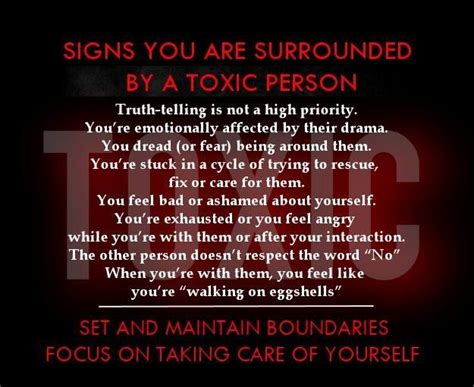
Not all negative feedback is toxic. Differentiate between constructive criticism (even if delivered poorly) and genuinely harmful, abusive, or non-productive comments. Constructive criticism, however harsh, offers specific points for improvement. Toxicity often involves personal attacks, baseless accusations, hate speech, or persistent trolling designed to provoke rather than inform.
Implement Clear Moderation Policies and Tools
Once you’ve defined toxicity, apply your guidelines consistently. Utilize moderation tools available on platforms like Discord, Reddit, or modding websites (e.g., banning, muting, deleting comments). A “three-strikes” policy or immediate bans for severe offenses can be effective. Crucially, don’t engage in endless debates with persistent trolls; once you’ve stated your position or issued a warning, take action if the behavior continues.
Practice Self-Care and Set Boundaries
Managing a modding community and dealing with negative feedback can be emotionally draining. It’s vital to prioritize your mental health. Don’t feel obligated to respond to every single comment, especially highly negative or abusive ones. Take breaks from community interactions, set specific times for checking feedback, and learn to disengage when necessary. Remember that you are creating for enjoyment, not to be a punching bag.
Building a Support Network
You don’t have to manage everything alone. If your community grows, consider recruiting trusted, mature community members as moderators. Train them on your guidelines and empower them to enforce rules. This not only lightens your workload but also shows the community that moderation is a collective effort. Connect with other mod creators to share experiences and strategies; peer support can be invaluable.

Conclusion
Fostering a positive modding community and effectively managing toxic feedback are ongoing processes that require patience, consistency, and a clear vision. By establishing strong foundations, engaging your users, and employing thoughtful moderation strategies, mod creators can transform potential conflict into a thriving, supportive ecosystem that benefits everyone involved, ultimately enhancing the joy of creation itself.