How to make gaming guides truly engaging & readable with effective visuals & formatting?

Beyond Basic Instructions: Crafting Engaging Gaming Guides
In the vast and ever-evolving world of gaming, comprehensive guides are invaluable resources for players. However, merely providing information isn’t enough; true effectiveness lies in creating guides that are not only accurate but also highly engaging and easily readable. The difference between a forgotten text dump and a widely shared, cherished resource often comes down to the strategic use of visuals and thoughtful formatting. This article will explore how to elevate your gaming guides, ensuring they capture attention and deliver information with maximum impact.
The Power of Visuals: Showing, Not Just Telling
Gamers are inherently visual learners. Static text, no matter how well-written, can often struggle to convey complex mechanics, intricate maps, or precise timing. Integrating a variety of visuals can bridge this gap, making your guide infinitely more digestible and appealing.
Screenshots & Annotations
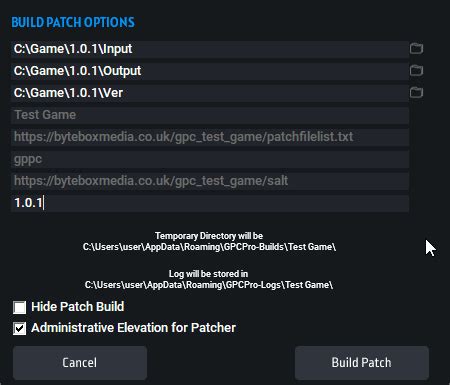
Well-placed screenshots are the cornerstone of any good gaming guide. Use them to show specific locations, menu selections, item configurations, or character builds. Enhance clarity by adding annotations – arrows, circles, and brief text overlays – to highlight critical details that might otherwise be missed.
Maps, Diagrams, and Flowcharts
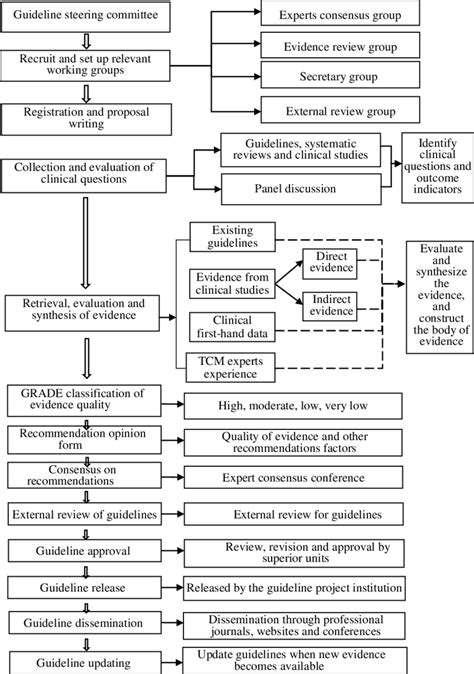
For navigating expansive worlds, explaining quest routes, or illustrating interconnected systems (like crafting trees or skill specializations), custom maps, diagrams, and flowcharts are indispensable. These visuals simplify complex information, allowing players to grasp concepts at a glance.
GIFs and Short Video Clips
When precise timing or sequence of actions is crucial – think boss attack patterns, combat combos, or puzzle solutions – static images fall short. Embed short, looping GIFs or concise video clips to demonstrate these dynamic elements in action, providing unparalleled clarity.
Masterful Formatting for Readability
Even the most stunning visuals can be undermined by poor text presentation. Thoughtful formatting transforms a wall of text into an inviting, scannable, and navigable guide.
Strategic Use of Headings and Subheadings
Break down your guide into logical sections using <h2> and <h3> tags. This provides a clear hierarchy of information, allowing readers to quickly scan for the sections most relevant to their needs. Each heading should accurately reflect the content that follows.
Bullet Points and Numbered Lists
For steps, ingredients, pros/cons, or key takeaways, eschew dense paragraphs in favor of bullet points or numbered lists. This breaks information into easily digestible chunks, improving retention and making your guide a quick reference tool.
Bold Text and Callouts
Reserve bold text for emphasizing critical keywords, important warnings, or essential tips. For particularly crucial information, consider using styled callout boxes (though avoid inline styling in this context) to draw the reader’s eye without being overly distracting.
Leveraging White Space
Don’t be afraid of empty space! Ample white space around paragraphs, images, and headings prevents visual clutter, reduces eye strain, and makes your content feel less overwhelming and more inviting to read.
![Lecture 3: Hardware and physical links Chap 1.4, 2 of [PD] - ppt download](/images/aHR0cHM6Ly90czQubW0uYmluZy5uZXQvdGg/aWQ9T0lQLnE1VTVkRk1VazNPVFJsbTQ2cEVzU2dIYUZqJnBpZD0xNS4x.webp)
Structuring for Clarity and Flow
A well-structured guide anticipates player needs and leads them logically through the information, minimizing confusion and frustration.
Logical Progression
Organize your content in a natural flow, typically from introduction to advanced techniques, or from general overview to specific details. For quests or specific tasks, a clear step-by-step approach is paramount.
Introduction and Conclusion
Every section, and the guide as a whole, should begin with a brief introduction outlining what will be covered and end with a concise summary or key takeaways. This helps reinforce learning and provides closure.
FAQs and Troubleshooting
Consider including a small FAQ section for common player questions or a troubleshooting section for typical problems related to the guide’s topic. This adds extra value and proactive assistance.
Tools and Techniques for Implementation
Modern content creation tools make it easier than ever to implement these strategies. Image editing software, screen capture tools, and even dedicated guide platforms often include features for annotations, creating diagrams, and managing layouts. Familiarize yourself with these resources to streamline your guide-writing process.
Conclusion: A Guide That Truly Helps
Creating truly engaging and readable gaming guides goes beyond simply listing information. It requires a thoughtful integration of powerful visuals and meticulous formatting to present complex data in an accessible and appealing manner. By focusing on clear communication, strategic visual aids, and a user-friendly layout, you can transform your guides into indispensable resources that players will not only use but also recommend and return to time and again. Invest the effort in presentation, and your guides will stand out in a crowded digital landscape, empowering countless players on their gaming journeys.