How to effectively analyze competitive game replays to improve skill?

Unlocking Your Potential Through Replay Analysis
In the high-stakes world of competitive gaming, raw talent can only take you so far. The true differentiator for players aiming to climb leaderboards and achieve mastery often lies in their ability to learn and adapt. One of the most powerful, yet frequently underutilized, tools for accelerated skill improvement is the strategic analysis of game replays. This guide will walk you through how to effectively dissect your past performances to pinpoint weaknesses, understand strengths, and develop a robust plan for consistent growth.
Why Replay Analysis is Non-Negotiable for Skill Improvement
Before diving into the ‘how,’ it’s vital to understand the ‘why.’ Live games are chaotic; split-second decisions, intense pressure, and information overload make it nearly impossible to critically evaluate every action. Replays, however, offer a calm, controlled environment to review every moment from various perspectives. They allow you to:
- Identify Blind Spots: See mistakes you weren’t aware of in the heat of the moment, such as poor positioning, missed opportunities, or inefficient resource usage.
- Understand Decision-Making: Analyze why certain choices were made, evaluating their effectiveness and considering alternative, better plays.
- Recognize Patterns: Spot recurring errors in your gameplay or predictable tendencies in your opponents.
- Validate Strengths: Reinforce what you do well, ensuring you leverage these strengths consistently.
- Learn from Opponents: Observe how higher-skilled players interact with the game and exploit your weaknesses.
A Systematic Approach to Replay Review
Effective replay analysis isn’t just watching your old games; it’s a structured process. Here’s a step-by-step guide:
Step 1: The Initial Watch-Through (No Pausing)
Watch the entire replay from your perspective (or a teammate’s if applicable) without pausing or rewinding. The goal here is to get a feel for the game flow, major turning points, and your overall emotional state during play. Note down any immediate reactions or feelings about certain moments.
Step 2: Focused Review – The Deep Dive
Now, go back and re-watch, but this time, pause, rewind, and change perspectives frequently. Focus on specific aspects:
- Early Game Decisions: How did you start? Were your initial movements and resource allocations optimal? Did you react appropriately to early aggression or opportunities?
- Critical Engagements/Moments: Focus on fights, objective contests, or key rotations.
- Positioning: Were you in the best spot to maximize your effectiveness and minimize risk?
- Ability Usage/Mechanics: Were your spells, abilities, or shots accurate and well-timed? Did you miss any obvious mechanical optimizations?
- Target Prioritization: Were you attacking the most important targets?
- Awareness: Did you notice enemy movements, cooldowns, or resources?
- Mid/Late Game Macro: Evaluate your strategic decisions. Were you pushing the right lanes, securing the correct objectives, or making intelligent rotations? Did you understand the win condition?
- Opponent Analysis: Watch from your opponents’ perspective. What were their strategies? How did they exploit your team’s weaknesses? What did they do well that you can learn from?
Tools and Techniques for Maximizing Your Review
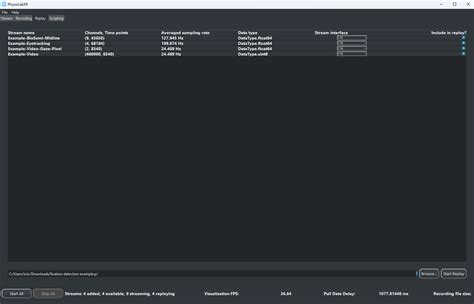
- Note-Taking: Keep a journal or use a digital document. Log game details, specific timestamps of good/bad plays, and actionable insights. Categorize common mistakes (e.g., “poor vision,” “bad engages,” “missed last hits”).
- Multiple Perspectives: Many games allow you to switch player perspectives. Watch from your opponent’s view to understand how they saw and reacted to your plays. Watch from a high-level observer view to grasp the broader strategic picture.
- Slow Motion: Use slow motion to break down complex sequences, identify individual actions, and understand the precise timing of events.
- Comparing with Pros: Find replays of professional players in similar match-ups or situations. Compare their decision-making, positioning, and mechanics to yours. Why did they do what they did, and how does it differ from your approach?
Turning Insights into Actionable Improvement
The analysis phase is only half the battle. The real improvement comes from applying what you’ve learned. Don’t try to fix everything at once. Pick one or two recurring issues identified in your replay and actively focus on them in your next few live games. For example, if you consistently overextend, make a conscious effort to check your mini-map more frequently and respect enemy cooldowns. After playing, review those new games to see if your focused effort paid off.
Consistency is key. Make replay analysis a regular part of your training routine, whether it’s after every loss, every few wins, or a dedicated session once a week. Over time, you’ll develop a sharper critical eye, a deeper understanding of the game, and a faster rate of skill acquisition.
Conclusion
Replay analysis is an indispensable tool for any competitive gamer serious about elevating their play. By systematically reviewing your games, you transform abstract mistakes into concrete lessons, paving the way for targeted practice and measurable improvement. Embrace the process, be honest with yourself, and watch as your understanding and performance in your favorite competitive titles reach new heights.