





How to maintain gaming guide SEO & engagement through game updates?
Navigating the Dynamic World of Game Updates
In the fast-paced realm of video games, developers constantly release updates, patches, and expansions to keep their titles fresh and engaging. For creators of gaming guides and walkthroughs, this dynamic environment presents a unique challenge: how do you ensure your content remains accurate, relevant, and visible in search engines while also keeping your audience engaged?
Maintaining strong SEO and high engagement for gaming guides amidst continuous game updates requires a proactive and agile approach. It’s not just about creating a guide; it’s about nurturing it through its lifecycle, adapting it to every change the game undergoes.

The SEO Imperative: Staying Relevant
Search Engine Optimization (SEO) is crucial for discovery. When a game updates, the information players seek often changes. Old builds become obsolete, new mechanics emerge, and item stats shift. If your guide isn’t updated, search engines will deprioritize it, and users will quickly move to more current sources. Your primary goal is to signal to search engines that your content is current and authoritative for the game’s latest version.
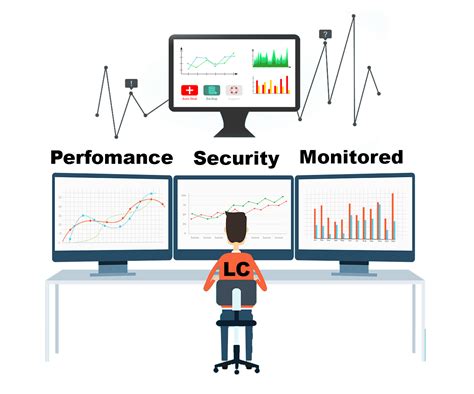
1. Proactive Monitoring and Planning
- Follow Official Channels: Regularly check developer blogs, patch notes, official forums, and social media for announcements regarding upcoming updates. Being aware of changes before they go live allows you to plan your content updates.
- Use Public Test Realms (PTRs): If available, access PTRs or beta servers to get a head start on understanding new mechanics, items, or strategies. This allows you to prepare draft content or outlines even before the update hits live servers.
- Content Audits: Periodically review your existing guides. Identify sections that are most likely to be affected by updates and mark them for quick revision.
Agile Content Strategy: Adapting Your Guides
Simply deleting and rewriting guides with every major patch is inefficient and detrimental to SEO (you lose accumulated link equity). Instead, adopt a modular and versioned content strategy.
1. Modular Guide Structure
- Segment Information: Break down guides into smaller, independent sections (e.g., ‘Character Builds,’ ‘Quest Walkthroughs,’ ‘Item Locations’). This way, you only need to update the specific module affected by a patch, rather than the entire guide.
- Dedicated ‘Update’ Sections: For recurring guides (like ‘Best Builds’), consider adding a clear ‘Latest Patch Notes’ or ‘Version X.X Changes’ section at the top, summarizing the critical alterations. This immediately informs users and search engines about the guide’s currency.
2. Versioning and Archiving
- Clearly State Guide Version: Always include the game version the guide applies to, prominently displayed. E.g., “[Patch 3.2] Ultimate Warrior Guide.”
- Consider Archiving: For major overhauls, you might create a new guide and link to the old one as an archived version, especially if the old information still has historical value or is relevant for legacy game versions. Use proper 301 redirects if an old guide’s URL is being completely replaced by a new, definitive version.

SEO Best Practices for Evolving Content
Beyond content structure, specific SEO tactics can help your guides maintain their visibility.
1. Keyword Adaptation
- Research New Keywords: Game updates often introduce new characters, items, zones, or mechanics that become popular search terms. Use keyword research tools to identify these and integrate them naturally into your updated content.
- Update Meta Descriptions & Titles: Ensure your page titles and meta descriptions reflect the guide’s updated status and current keywords. A simple “Updated for Patch X.X” can significantly improve click-through rates.
2. Technical SEO for Updates
- Last Modified Date: Ensure your website’s content management system (CMS) properly updates the ‘last modified’ date in your article’s metadata. This is a strong signal to search engines about content freshness.
- Schema Markup: Use schema markup (e.g.,
ArticleorHowToschema) to provide structured data to search engines, including thedateModifiedproperty.
Engaging Your Audience Through Change
SEO gets users to your page, but engagement keeps them there and encourages them to return. Updates can be a fantastic opportunity to foster community interaction.
1. Invite Community Contributions
- Comments and Feedback: Encourage users to leave comments, ask questions, or even suggest overlooked strategies in your guides. This not only provides valuable user-generated content but also shows you value their input.
- Community Spotlights: Feature community-submitted builds, tips, or strategies (with proper credit) after an update. This can motivate more interaction.
2. Promote Updates Proactively
- Social Media: Announce your guide updates on social media platforms. Highlight key changes and ask for user opinions.
- Newsletters: If you have an email list, send out a brief newsletter detailing recent guide updates and linking directly to the revised content.
- In-Guide Messaging: Add a prominent banner or note at the top of your guides when a major update occurs, indicating that the content has been reviewed and updated for the latest version.

Leveraging Analytics for Continuous Improvement
Data is your friend. Regularly check your analytics to understand how your guides are performing.
- Traffic Patterns: Monitor which guides see a drop in traffic after an update. These are prime candidates for urgent revision.
- Bounce Rate and Time on Page: High bounce rates or low time on page might indicate that users aren’t finding the information they expect, potentially due to outdated content.
- Search Queries: See what users are searching for to reach your site. New, post-update queries can reveal emerging content gaps or outdated keyword targeting.
Conclusion
Maintaining gaming guide SEO and engagement through continuous game updates is an ongoing commitment, not a one-time task. By adopting a proactive mindset, structuring your content intelligently, leveraging SEO best practices, and actively engaging your community, you can ensure your guides remain a valuable and authoritative resource for players, no matter how much their favorite games evolve.



