How to effectively report mod bugs & contribute constructively to mod communities?

The Foundation of a Thriving Modding Community
Modding communities are vibrant hubs of creativity and innovation, constantly enhancing gaming experiences. However, like any software, mods can have bugs. The health and longevity of these communities, and the quality of the mods themselves, heavily rely on users not just consuming content, but also actively participating. Knowing how to effectively report bugs and contribute constructively is crucial for ensuring mods improve and modders feel supported.
Effective bug reporting isn’t just about pointing out flaws; it’s about providing mod creators with the precise information they need to diagnose and fix issues efficiently. Constructive contribution, on the other hand, extends beyond bug reports to encompass a wider range of helpful interactions that uplift the entire community.

Mastering the Art of Bug Reporting
A well-written bug report is a modder’s best friend. It saves them time, reduces frustration, and significantly increases the chances of a quick fix. Here’s how to craft an effective bug report:
1. Do Your Homework First
- Check FAQs and Known Issues: Before reporting, consult the mod’s documentation, FAQ, or official forums. Your issue might already be known, fixed in a newer version, or have a simple workaround.
- Verify Mod Version: Ensure you’re using the latest stable version of the mod. Many bugs are fixed in updates.
- Check Compatibility: If you’re using multiple mods, try to isolate the issue. Disable other mods one by one to see if the bug persists.
2. Gather Crucial Information
- Mod Name & Version: State the exact name and version number of the mod.
- Game Name & Version: Specify the game you’re playing and its exact version.
- Operating System: Mention your OS (e.g., Windows 10, macOS Ventura, Linux distro).
- Steps to Reproduce: This is the most critical part. Provide a clear, step-by-step guide that allows the modder to reliably trigger the bug. Imagine you’re writing instructions for someone who has never seen the bug before.
- Expected vs. Actual Behavior: Describe what you expected to happen and what actually happened.
- Error Messages & Logs: Copy and paste any error messages verbatim. Include relevant log files (e.g., crash logs, console output). Modders often specify which logs are most helpful.
- Screenshots/Videos: Visual evidence can be incredibly powerful. A picture is worth a thousand words, and a short video can often show complex interactions more clearly.
3. Present Your Report Clearly and Concisely
- Use a Clear Subject Line: A concise subject line that summarizes the issue helps modders quickly prioritize. (e.g., “[BUG] CTD when opening inventory with X item”)
- Format for Readability: Use bullet points, bold text, and code blocks (for logs) to make your report easy to read.
- Be Objective and Polite: Stick to the facts. Avoid accusatory language, sarcasm, or demands. Remember, modders are often volunteers.
Beyond Bugs: Constructive Community Contributions
Contributing isn’t just about finding flaws; it’s also about enriching the community in myriad other ways. Your positive engagement can fuel modders’ passion and help new users integrate seamlessly.
1. Offer Positive Feedback & Encouragement
A simple “Thank you, I love this mod!” can make a modder’s day. If you particularly enjoy a feature or find a mod indispensable, let them know. Positive reinforcement is vital for motivating creators.
2. Provide Thoughtful Feature Suggestions
Instead of just saying “add X feature,” explain *why* it would be beneficial and how it might integrate with existing mechanics. Frame it as a suggestion, not a demand. Modders appreciate well-reasoned ideas, even if they can’t implement all of them.
3. Help Other Users
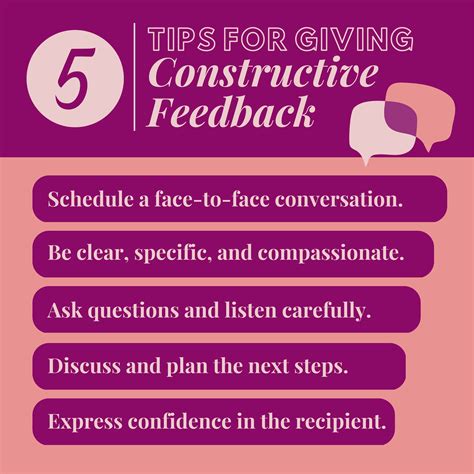
If you have experience with a mod, consider helping new users who post questions. Guide them to documentation, troubleshoot common issues, or explain features. This lightens the load on modders and fosters a supportive atmosphere.
4. Share Your Creations (Responsibly)
If you create patches, translations, compatibility files, or even showcase videos using a mod, share them with the community (with proper credit and adherence to the original modder’s permissions). These additions can expand a mod’s reach and utility.
5. Support Modders Financially (If Available)
Many modders have Patreon pages, Ko-fi links, or other donation options. If you can afford it and appreciate their work, a monetary contribution is a direct way to support their time and effort.

Community Etiquette: Building a Better Environment
Your interaction style shapes the community’s culture. Adhering to basic etiquette ensures a respectful and productive environment:
- Read Forum Rules: Every community has guidelines. Familiarize yourself with them to avoid accidental infractions.
- Search Before Asking: Use the search function on forums or Discord channels. Your question might have already been answered.
- Be Patient: Modders are often individuals working in their spare time. They might not respond immediately.
- Respect Decisions: If a modder decides not to implement a feature or changes direction, respect their creative control. It’s their project.
- Avoid Spamming/Demanding: Repeatedly asking for updates or demanding features is counterproductive and disrespectful.

Conclusion
Contributing to mod communities effectively, whether through meticulous bug reports or positive interactions, transforms you from a mere consumer into an active participant in the creative process. By following these guidelines, you not only help modders refine their creations but also foster a more welcoming, supportive, and efficient environment for everyone involved. Your constructive engagement is the bedrock upon which the future of modding is built, ensuring that these incredible fan-made additions continue to thrive and evolve.