How to maximize gaming FPS on my mid-range PC without upgrading?
Many gamers find themselves in the sweet spot of owning a mid-range PC – capable, but often struggling to hit those coveted high frame rates in newer titles. The good news is that you don’t always need to break the bank for an upgrade to significantly boost your gaming performance. With a bit of tweaking and optimization, you can squeeze out every last bit of FPS from your current setup.
Start with the Software: Drivers and OS Settings
The foundation of a smooth gaming experience lies in your software environment. Outdated drivers or an unoptimized operating system can silently hog precious resources.
Update Your Graphics Drivers
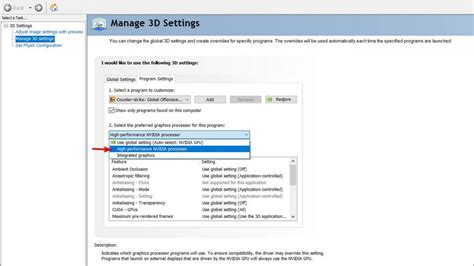
This is arguably the most impactful step. NVIDIA, AMD, and Intel regularly release driver updates that include performance optimizations for new games and general bug fixes. Always download the latest stable drivers directly from your GPU manufacturer’s website.
Optimize Windows Settings
- Enable Game Mode: Windows 10/11 includes a Game Mode designed to prioritize your game by suspending background tasks.
- Disable Background Apps: Go to ‘Privacy settings’ and turn off apps running in the background that aren’t essential.
- Adjust Visual Effects: Search for ‘Adjust the appearance and performance of Windows’ and choose ‘Adjust for best performance’ or customize to disable unnecessary animations.
- Set Power Plan to High Performance: In ‘Power Options’ (or ‘Edit power plan’ in control panel), ensure your PC is set to ‘High Performance’ during gaming sessions.
Mastering In-Game Graphics Settings
This is where most of your FPS gains can be found. Every game has a myriad of graphics options, and understanding what each does can make a huge difference.
Prioritize Key Settings
- Resolution: The higher the resolution, the more pixels your GPU has to render. Dropping from 1440p to 1080p will yield massive FPS gains.
- Texture Quality: This impacts VRAM usage. Mid-range GPUs often have 6-8GB of VRAM; high texture settings can quickly fill this, leading to stuttering.
- Shadow Quality: Shadows are notoriously demanding. Reducing shadow quality, resolution, or distance can significantly improve performance.
- Anti-Aliasing: Techniques like MSAA are very taxing. Consider FXAA, TAA, or even turning it off if visual aliasing isn’t too distracting for you.
- Post-Processing Effects: Bloom, depth of field, motion blur, and screen space reflections often have a noticeable performance cost. Experiment with turning these down or off.
- Vegetation/Draw Distance: Reducing the density or render distance of environmental elements can help in open-world games.
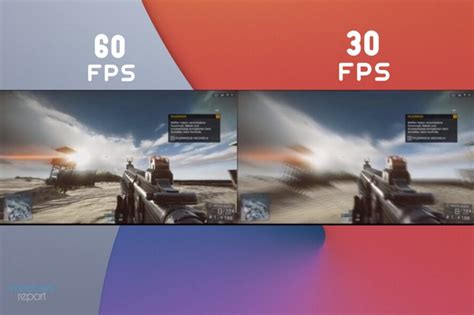
The trick is to find a balance between visual fidelity and frame rate. Start by setting everything to low, then gradually increase settings until your FPS drops below your desired threshold.

Advanced Tweaks: Overclocking and RAM Optimization
For those comfortable with a bit more technical tinkering, careful hardware adjustments can unlock additional performance.
CPU and GPU Overclocking (Proceed with Caution)
Overclocking involves increasing your CPU or GPU’s clock speed beyond its factory settings. This can provide a noticeable FPS boost, but it also increases heat generation and power consumption, and if done improperly, can lead to instability or hardware damage.
- GPU Overclocking: Tools like MSI Afterburner are popular for safely adjusting GPU core clock, memory clock, and power limits.
- CPU Overclocking: Intel users might use Intel Extreme Tuning Utility (XTU), while AMD Ryzen users have Ryzen Master. Ensure adequate cooling before attempting.
RAM Optimization
- Enable XMP/DOCP: Many RAM kits default to lower speeds. Enter your BIOS/UEFI and enable the XMP (Intel) or DOCP (AMD) profile to run your RAM at its advertised speed. This can have a surprisingly large impact on CPU-intensive games.
- Monitor RAM Usage: Ensure you have enough RAM (16GB is ideal for modern gaming). Close unnecessary applications before gaming to free up RAM.
Physical Maintenance: Keep it Cool and Clean
Hardware performance is directly tied to its operating temperature. A dusty, hot PC will inevitably throttle its components to prevent damage, leading to reduced FPS.
- Clean Your PC Regularly: Use compressed air to clear dust from your CPU cooler, GPU heatsink, and case fans. Dust acts as an insulator, trapping heat.
- Ensure Proper Airflow: Make sure your case fans are correctly oriented to create a good airflow path (intake at front/bottom, exhaust at rear/top).
- Check Thermal Paste (Advanced): After several years, thermal paste on your CPU or GPU can dry out. Replacing it can significantly lower temperatures, but this is a more advanced task.
Conclusion: The Sum of Small Gains
Maximizing gaming FPS on a mid-range PC without upgrading is a marathon, not a sprint. It involves a combination of smart software choices, judicious in-game settings adjustments, and careful hardware maintenance. No single tip will magically double your FPS, but cumulatively, these optimizations can significantly enhance your gaming experience, allowing you to enjoy your favorite titles more smoothly and for longer on your current rig.