How do top esports teams refine in-game comms & macro strategy under pressure?

The Crucible of Competitive Play
In the high-stakes world of esports, where milliseconds can mean the difference between victory and defeat, the ability of a team to communicate effectively and execute sophisticated macro strategies under immense pressure is paramount. It’s not enough to have individual skill; true champions forge their success through a seamless synthesis of shared understanding and collective action. This article delves into the meticulous processes top esports organizations employ to refine these critical elements.
Pillars of Pristine Communication
Effective in-game communication transcends simple call-outs; it’s a finely tuned language developed through countless hours of practice. Top teams prioritize:
- Conciseness & Clarity: Every call must be short, unambiguous, and immediately actionable. Teams often develop specific terminology or codes for common scenarios to minimize chatter.
- Role-Based Communication: Players often have designated communication roles. The ‘shot-caller’ might focus on overall strategy, while others provide critical information on enemy positions, cooldowns, or resource counts.
- Active Listening: It’s not just about what you say, but what you hear. Players are trained to filter out noise and process relevant information rapidly, even amidst chaos.
Mastering Macro Strategy Execution
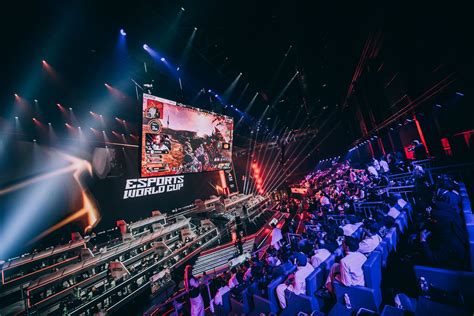
Macro strategy involves the overarching game plan, resource management, objective control, and adaptation to the evolving game state. Under pressure, this requires:
- Dynamic Adaptation: Pre-game strategies are merely a starting point. Top teams excel at recognizing shifts in momentum, enemy intentions, and resource disparities, then dynamically adjusting their macro plays. This might involve changing objective priorities, rotating lanes, or altering engagement timings.
- Predictive Analysis: Advanced teams can anticipate opponent movements and counter-strategies, often several steps ahead. This foresight allows them to set up traps, secure critical vision, or deny key resources before the enemy can react.
- Hierarchical Shot-Calling: While a primary shot-caller guides the team, other players are empowered to make localized decisions or even override a call if they have superior real-time information in their specific area of the map. This fluid hierarchy ensures flexibility.
Training Under Duress: The Pressure Cooker Approach
Refining comms and macro under pressure isn’t achieved by luck; it’s the result of intentional, grueling practice:
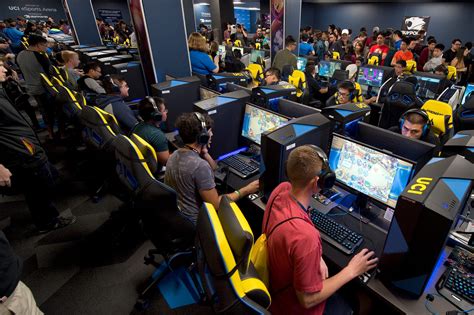
- Scrims & Custom Drills: Beyond regular scrimmages, teams design custom scenarios that simulate high-pressure moments – defending a crucial objective with limited resources, executing a specific late-game push, or playing from behind.
- VOD Review & Data Analysis: Every game, win or loss, is meticulously reviewed. Coaches and players dissect communication breakdowns, identify macro errors, and pinpoint areas where calls were late, unclear, or incorrect. Data analytics are used to track performance trends and identify patterns.
- Mental Conditioning: Sports psychologists often work with teams to develop coping mechanisms for stress, maintain emotional regulation, and foster unwavering trust in teammates. This mental resilience is crucial when the stakes are highest.
The Role of Trust and Environment
No amount of technical refinement can replace the bedrock of trust within a team. Under pressure, hesitation stemming from a lack of trust can be fatal. Top teams cultivate an environment where:
- Mistakes are Learning Opportunities: Players are encouraged to take calculated risks and learn from failures without fear of reprisal, fostering psychological safety.
- Feedback is Constant & Constructive: Open and honest communication about performance is a daily ritual, aimed at collective improvement rather than blame.
- Leadership is Clear: A strong leadership structure, whether from the captain, coach, or an experienced player, provides direction and stability when uncertainty strikes.
Continuous Iteration and Evolution
The esports meta is ever-changing. What worked last season might be obsolete tomorrow. Top teams understand that refinement is an ongoing process. They dedicate resources to:
- Meta Analysis: Constantly studying new patches, champion changes, and emerging strategies to stay ahead of the curve.
- Experimental Strategies: Willingness to innovate and test unconventional approaches in practice, pushing the boundaries of the current meta.
- Player Development: Investing in individual player growth, ensuring that each member can contribute effectively to both communication and macro execution as their roles evolve.
![[Column] Why is the Teamfight Tactics esports scene such a desolate ...](/images/aHR0cHM6Ly90czQubW0uYmluZy5uZXQvdGg/aWQ9T0lQLllpR05UVFhuaFpxWGJMMDA5aU5FelFIYUVLJnBpZD0xNS4x.webp)
Conclusion
The journey to refining in-game communication and macro strategy under pressure is a testament to the dedication and analytical prowess of top esports teams. It involves a holistic approach encompassing rigorous practice, precise protocols, mental fortitude, and an unwavering commitment to continuous improvement. For these elite competitors, the game isn’t just played on the screen; it’s meticulously crafted in the training room, where the symphony of calls and strategic maneuvers is harmonized to perfection, ready to perform flawlessly when the spotlight shines brightest.