How to find safe, reliable mods & avoid malware in game communities?

Modding is a vibrant and exciting aspect of PC gaming, allowing players to customize their experiences, add new content, and even fix long-standing issues. From graphical overhauls to entirely new gameplay mechanics, mods can breathe new life into beloved titles. However, the open nature of modding communities also presents potential dangers, primarily in the form of malware, system instability, and privacy risks. Navigating this landscape safely requires vigilance and an understanding of best practices.
The Allure and Risks of Game Modding
While mods offer immense creativity and extended playtime, they also come with inherent risks. Malicious actors often hide malware—viruses, keyloggers, ransomware, or spyware—within what appears to be a legitimate mod file. Beyond direct malware, poorly coded mods can cause game crashes, save file corruption, or even operating system instability. Protecting your system and personal data is paramount when exploring the vast world of game modifications.
Identifying Reputable Sources for Mods
The first and most crucial step in safe modding is sourcing your files from trusted platforms. Avoid downloading mods from obscure forums, direct links in chat, or unofficial websites that look suspicious.
- Official Modding Portals: Websites like Nexus Mods, Mod DB, and the Steam Workshop are often highly moderated and have established communities that help vet content. These platforms usually have systems for user ratings, comments, and bug reports.
- Developer-Approved Channels: Some game developers have official forums or specific sections on their websites dedicated to modding, sometimes even curating lists of recommended mods.
- Well-Established Community Hubs: For certain games, dedicated fan-run wikis or forums have evolved into de facto mod repositories. Look for sites with a long history, clear moderation policies, and active user bases.

Vetting a Mod Before Installation
Even on reputable platforms, a degree of skepticism is healthy. Before you click download, take these precautions:
- Check Reviews and Endorsements: Read user reviews and comments carefully. Look for consistent positive feedback and absence of warnings about malware or major bugs. Pay attention to endorsement scores or download counts.
- Examine the Mod Author’s Reputation: Does the author have a history of creating popular, reliable mods? A new account with only one mod is often a red flag.
- Review Update History: A mod that is actively maintained and regularly updated by its creator is generally a good sign. Abandoned mods, especially for games that receive frequent updates, can lead to compatibility issues or go unpatched if vulnerabilities are found.
- Scan the Mod Page: Legitimate mod authors often provide detailed descriptions, installation instructions, and troubleshooting tips. A sparse page with little information can be suspicious.
Safety Measures During and After Installation
Once you’ve chosen a mod, take steps to protect your system during the installation process:
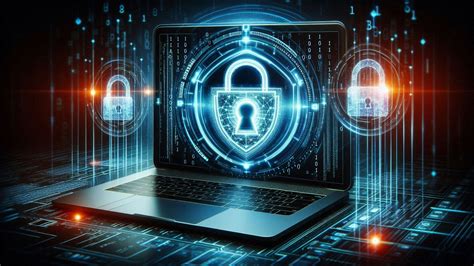
- Use Antivirus and Anti-Malware Software: Always scan downloaded mod files with up-to-date antivirus and anti-malware programs before executing or installing them.
- Backup Your Game Saves and Files: Before installing any significant mod, especially those that alter core game files, back up your current game saves and potentially the game installation directory itself. This allows you to revert if something goes wrong.
- Understand Installation Instructions: Follow the mod author’s installation instructions precisely. Some mods require specific tools or manual file placement. Be wary if instructions involve disabling security features or executing unknown scripts.
- Consider a Sandbox Environment (Advanced Users): For highly suspicious mods or critical system safety, advanced users might consider installing games and mods within a virtual machine or a sandbox application. This isolates the mod from your main operating system.
Engaging with the Modding Community Safely
The community itself is a valuable resource, but also a potential vector for threats:
- Active and Moderated Forums: Participate in forums that are clearly moderated. Moderation helps weed out spam, malicious links, and harmful advice.
- Be Wary of Unsolicited Links: Never click on links to download mods shared by strangers in chat, Discord, or unverified forum posts. Always go directly to a known reputable source.
- Report Suspicious Activity: If you encounter a mod that seems to contain malware, or if someone is trying to trick users into downloading harmful files, report it to the platform administrators immediately.
Tools and Best Practices for a Secure Modding Experience
- Mod Managers: For many games, dedicated mod managers (e.g., Mod Organizer 2 for Bethesda games, Vortex for Nexus Mods) simplify installation, conflict resolution, and even allow for easy enabling/disabling of mods without directly altering game files.
- File Hashes: Some mod authors provide file hashes (MD5, SHA1, SHA256). After downloading, you can use a file hash checker to verify that your downloaded file is identical to the one the author uploaded, ensuring it hasn’t been tampered with.
- Regular System Scans: Make routine system scans a part of your gaming habits, especially after installing new mods or software.
What to Do If You Suspect Malware
Despite all precautions, sometimes an infected mod might slip through. If you notice unusual system behavior, slow performance, pop-ups, or suspicious network activity after installing a mod, act quickly:
- Disconnect from the Internet: Immediately sever your internet connection to prevent data exfiltration or further infection.
- Quarantine or Delete the Mod: Uninstall the suspected mod and delete its files.
- Perform a Full System Scan: Run a thorough scan with multiple reputable antivirus and anti-malware programs (e.g., Malwarebytes, Windows Defender).
- Restore from Backup: If you backed up your system or game saves, restore them to a point before the infection.
- Change Passwords: If you suspect a keylogger, change all critical passwords (gaming accounts, email, banking) from a known clean system or after your system has been thoroughly cleaned.

Conclusion
Modding can significantly enhance your gaming experience, but it’s a privilege that comes with responsibility. By diligently sourcing mods from reputable sites, thoroughly vetting them, employing security software, and engaging cautiously with communities, you can largely mitigate the risks. Staying informed and practicing smart digital hygiene will ensure your modding adventures remain safe, fun, and free from unwanted intruders.