What daily training routines maximize skill gains for aspiring Esports pros?

Becoming an esports professional is a dream for many, but the path to the top is paved with relentless dedication and structured training. Raw talent alone is rarely enough; consistent, targeted daily routines are what truly maximize skill gains and differentiate contenders from champions. For those aiming to break into the competitive scene, understanding and implementing an optimized training schedule is paramount.
The Pillars of Pro Training
An effective esports training routine goes far beyond simply playing the game for hours. It’s a multifaceted approach designed to hone every aspect of a player’s performance. It typically begins with a warm-up, both physical and in-game, to prepare the body and mind. This might include stretching exercises, eye focus drills, and simple aim training or movement practice within the game.
Following the warm-up, dedicated skill drills are crucial. Depending on the game, this could involve focused aim training maps, specific movement exercises, last-hitting practice in MOBAs, or utility usage drills in tactical shooters. These drills isolate particular mechanics or micro-skills, allowing players to refine them without the pressure of a full match.

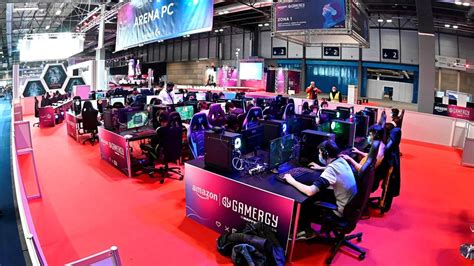
The core of an esports day often involves team practice, known as scrims, or high-level ranked play. This is where individual skills are integrated into team strategies and tested against other competitive players. Scrims provide invaluable experience in real-match scenarios, fostering communication, coordination, and macro-level decision-making.
Equally important, and often overlooked by amateurs, is VOD (Video On Demand) review. Professional players dedicate significant time to watching replays of their own matches and those of their opponents. This analytical phase allows them to identify mistakes, understand strategic weaknesses, and learn from successful plays, transforming raw experience into actionable insights.
A Sample Daily Schedule for Aspiring Pros
While routines vary based on the game and individual needs, a typical day for an aspiring esports pro might look something like this:
- Morning (2-3 hours): Physical warm-up, in-game warm-up (aim trainers, specific drills), individual mechanics practice.
- Midday Break (1-2 hours): Meal, light exercise, mental break away from the screen.
- Afternoon (4-5 hours): Team scrims or high-level ranked queue, focusing on applying learned mechanics in a competitive environment.
- Evening (2-3 hours): VOD review (personal and team), strategic discussions, identifying areas for improvement, cool-down activities like reading or light stretching.
This structure emphasizes a balance between solo refinement, team cohesion, and critical analysis, all interspersed with necessary breaks to prevent burnout.
Beyond the Game: Holistic Development
Maximizing skill gains isn’t solely about time spent in-game. Physical and mental well-being play critical roles in sustained performance. Regular physical activity, even just light cardio or strength training, improves reaction times, reduces fatigue, and boosts overall cognitive function. A healthy diet and sufficient sleep are equally vital for maintaining focus and energy throughout long training days.
Mental conditioning is another often-undervalued aspect. Esports can be incredibly taxing on mental health due to high-stakes pressure, constant criticism, and the need for peak concentration. Practices like mindfulness, meditation, or even simply engaging in non-gaming hobbies can help manage stress, improve emotional regulation, and maintain a positive mindset, which are crucial for consistent performance.

Consistency and Adaptation Are Key
The most perfectly designed training routine is useless without consistency. Daily commitment, even on days when motivation wanes, is what builds lasting habits and incremental improvements. Aspiring pros must treat their training with the same discipline as traditional athletes, understanding that progress is a marathon, not a sprint.
Furthermore, a successful routine isn’t static. It must adapt to changing meta-games, personal weaknesses, and team dynamics. Regular self-assessment and feedback from coaches or teammates are essential for identifying new areas of focus and adjusting the training regimen accordingly. Flexibility and a willingness to evolve are hallmarks of true professionalism.
Conclusion
Maximizing skill gains for aspiring esports pros requires a comprehensive and disciplined daily training routine. By integrating specific skill drills, team practice, rigorous VOD review, physical fitness, and mental conditioning, players can systematically improve their performance across all facets of their game. Consistency, adaptability, and a holistic approach to personal development are the ultimate keys to unlocking their full potential and rising through the ranks of competitive esports.