





How to discern genuine game reviews from hype or review bombs?
The Shifting Sands of Game Reviews
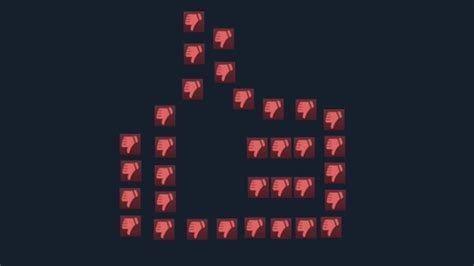
In the vast and ever-expanding landscape of video games, reviews serve as crucial guides for potential players. However, this ecosystem is often muddied by two powerful, distorting forces: overwhelming hype and destructive review bombs. Hype, fueled by marketing and fan anticipation, can sometimes inflate expectations beyond reality, leading to overwhelmingly positive, yet uncritical, early impressions. Conversely, review bombs, often coordinated by disgruntled groups for reasons sometimes unrelated to the game’s actual quality, can unfairly tank a game’s score and reputation. Discerning genuine, balanced feedback from these extremes is vital for making informed decisions about where to invest your time and money.

Red Flags: Spotting Inauthentic Reviews
Identifying reviews that lack sincerity or are driven by an agenda is the first step in navigating the review minefield. Several key indicators can help you spot reviews that might not be genuine representations of a game’s quality.
Overly Emotional or Vague Language
Reviews filled with extreme, hyperbolic language – either absolute praise or outright condemnation – without specific examples often suggest a lack of nuanced engagement. Phrases like “best game ever!” or “complete trash, avoid at all costs!” without further elaboration are red flags.
Lack of Specifics or Playtime
A genuine review usually references specific gameplay mechanics, story elements (spoiler-free, if appropriate), technical performance, or design choices. Reviews that only offer general complaints or compliments, especially from accounts with minimal recorded playtime, should be viewed with skepticism. Many platforms now show playtime, which is a critical piece of information.
Suspicious Reviewer History
Take a moment to check the reviewer’s profile. Does their history consist of only one or two reviews for the same game? Do they consistently give 0/10 or 10/10 scores to everything? A pattern of extreme or singular-focus reviewing can indicate a biased agenda.
Timing and Volume Anomalies
A sudden, massive influx of highly positive or negative reviews in a very short period can indicate a coordinated effort, either a marketing push or a review bomb. While launch day naturally brings many reviews, extreme clustering warrants closer inspection.
Hallmarks of a Genuine Review
On the flip side, there are clear characteristics that distinguish helpful, authentic reviews. These are the voices you should seek out and trust.
Balanced Perspective
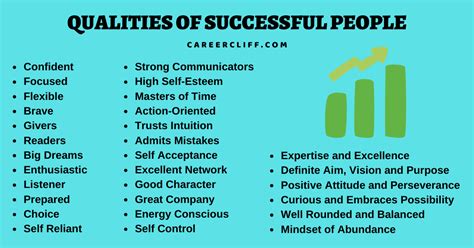
A true review acknowledges both the strengths and weaknesses of a game. No game is perfect, and a reviewer who can articulate both what works well and what falls short provides a more credible and useful assessment.
Detailed Gameplay Impressions
Genuine reviews dive into the actual experience. They discuss combat feel, puzzle design, world-building, character development, technical performance, user interface, and replayability. This level of detail shows the reviewer has actually played and engaged with the game.
Acknowledgement of Flaws and Strengths
Rather than simply listing pros and cons, a good review often explores *why* certain aspects are strengths or flaws, and how they impact the overall experience. This demonstrates critical thinking beyond a simple checklist.
Strategies for the Savvy Gamer
As a consumer, you have tools and strategies at your disposal to cut through the noise and find reliable insights.
Diversify Your Sources
Never rely on a single review, platform, or reviewer. Consult a range of professional critics, community forums, video reviews, and user scores from different sites (e.g., Metacritic, OpenCritic, Steam, Reddit). Look for consensus on key issues.
Check Reviewer Credibility
For professional outlets, consider their editorial standards and past reviews. For user reviews, as mentioned, check their profile history and playtime. Gravitate towards reviewers who have demonstrated a consistent, thoughtful approach.
Look for Playtime and Updates
Prioritize user reviews from individuals with significant playtime. For live-service games, look for reviews that have been updated to reflect post-launch patches and content additions, as games can evolve significantly.
Read Between the Lines
Even a seemingly biased review can offer useful information. If a review bombs a game for a specific feature you actually enjoy (e.g., a challenging difficulty), that feedback might inadvertently confirm the game is for you. Conversely, if a highly positive review praises a mechanic you dislike, it might be a reason to reconsider.
Conclusion
Navigating the complex world of game reviews requires a critical eye and a willingness to look beyond the surface. By understanding the common pitfalls of hype and review bombs, recognizing the characteristics of authentic feedback, and employing strategic research methods, you can empower yourself to make more informed decisions and truly discern whether a game is right for you. Your gaming experiences will be all the better for it.



