How should gaming reviews address post-launch patches and updates?
The Evolving Landscape of Game Releases
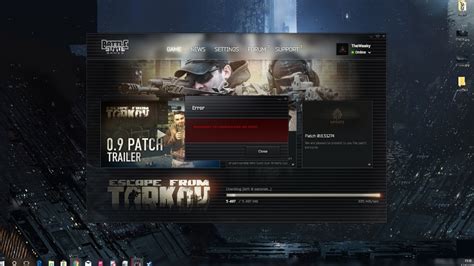
Gone are the days when a game’s release marked its final, immutable form. Modern gaming is characterized by an ongoing cycle of post-launch patches, bug fixes, performance optimizations, and even substantial content updates. This dynamic environment presents a unique challenge for traditional game reviews, which historically capture a snapshot of a game at launch.
From massive open-world titles grappling with technical issues to live-service games designed to evolve over years, the initial release state is often just the beginning of a product’s journey. How, then, should gaming reviews adapt to provide meaningful and lasting value to their audience?
The Dilemma of Day-One Assessments
A primary problem arises when an initial review, published at or near launch, becomes quickly outdated. A game plagued by bugs on day one might be smooth and polished a month later, or conversely, a seemingly stable release could introduce new issues with a poorly implemented patch. A review score, once definitive, can lose its relevance, potentially misleading consumers who consult it months after publication.
Traditional reviews are excellent at capturing first impressions, initial gameplay loops, and launch-day technical stability. However, they struggle to account for the iterative development cycle that many games now embrace, leaving a gap between initial critical assessment and the player’s long-term experience.
Strategies for Dynamic Evaluation
Several approaches have been proposed or adopted to address this fluidity. One popular idea is the “living review,” where an article is periodically updated to reflect significant changes, with new sections or score adjustments noted. This method keeps the original review relevant but can be resource-intensive for publications and might lead to a confusing, ever-changing score.
Another strategy involves publishing follow-up pieces or “re-reviews” for major updates. This offers a clear distinction between the launch experience and subsequent iterations, providing separate contexts for evaluation. It avoids altering the original assessment but requires readers to seek out multiple articles for a complete picture.

Some critics opt for a dedicated “patch notes” or “update addendum” section appended to the original review, detailing changes without necessarily altering the core score. This provides transparency about evolution while preserving the initial judgment. The challenge here lies in determining which updates warrant mention and how much detail to include without making the review unwieldy.

Navigating Practicalities and Expectations
Implementing these strategies isn’t without its challenges. Review publications operate with limited time and resources. Assigning staff to continually re-evaluate games means fewer new titles can be covered. There’s also the question of audience expectation: do readers want a definitive score, or are they comfortable with a more fluid assessment?
Clear communication is paramount. Reviewers must explicitly state the version of the game being reviewed and, if updated, clearly mark all changes. Transparency about the review process, whether it’s a living review, an addendum, or a full re-review, helps manage reader expectations and maintains trust.
Towards a More Comprehensive Review Model
Ultimately, a hybrid approach might offer the most balanced solution. Initial reviews should clearly state they represent the game’s launch state and should include a disclaimer about potential future changes. For major, transformative updates – those that significantly alter gameplay, fix critical issues, or add substantial content – a follow-up assessment is warranted. This could be a separate mini-review, an updated score with an explanation, or a clearly marked addendum.
Publications could also adopt a tiered system for updates: minor patches are noted in a brief section, while significant overhauls trigger a more in-depth re-evaluation. This requires a robust editorial framework to decide what constitutes a “significant” update.
The goal remains to provide accurate, timely, and relevant information to consumers. As games continue to evolve post-launch, so too must the methodologies of those who review them, ensuring that critical analysis remains a valuable guide in the ever-changing landscape of interactive entertainment.