How should our gaming reviews reflect major post-launch updates or DLC?

The Ever-Evolving Game: A Reviewer’s Challenge
The landscape of video game releases has dramatically shifted over the past decade. What was once a largely static product at launch often becomes a dynamic, evolving entity through patches, major updates, and extensive downloadable content (DLC). This “games-as-a-service” model, or even just the common practice of developers continuing to support and expand their titles, presents a unique challenge for gaming reviews. How should we, as critics and journalists, accurately reflect these significant post-launch changes without invalidating initial assessments or overwhelming readers?

The Initial Snapshot vs. The Living Product
Traditionally, a game review served as a definitive verdict on the product available at launch. It was a snapshot in time, offering consumers guidance on whether to purchase based on that initial experience. However, when a game fundamentally changes months or even years later – perhaps adding new content, rebalancing mechanics, or overhauling technical performance – that initial snapshot can become outdated, if not misleading. The core dilemma lies in balancing the need for timely, launch-day evaluations with the responsibility to inform readers about a game’s long-term trajectory and value.

Approaches to Post-Launch Reviewing
Several methodologies have emerged in an attempt to tackle this issue, each with its own merits and drawbacks:
-
The Static Review: The initial review stands as a historical document, reflecting the game at its release. Any subsequent changes are covered in separate news articles, updates, or “re-reviews” with new scores.
Pros: Preserves the original context; clear historical record. Cons: Can quickly become irrelevant for a living game; requires readers to seek out multiple pieces of content.
-
The Dynamic, Updated Review: The original review text and potentially its score are updated to reflect major post-launch content or patches. This often includes a clear “Update Log” or timestamped revisions.
Pros: Keeps the core review current; centralizes information. Cons: Can erase the initial experience; constant updates are resource-intensive; score changes can be contentious and confusing.
-
Supplementary Content & DLC Reviews: The initial review remains, but significant DLCs or major updates receive their own dedicated reviews or expansion analyses. These pieces might reference the original review but focus solely on the new content.
Pros: Clear focus on new content; allows for separate evaluation of expansions. Cons: Can fragment the overall assessment of the game; requires readers to piece together the full picture.
-
The “Re-Review” or Long-Term Analysis: Months or years after launch, a completely new review is published, reassessing the game in its entirety after all significant updates and DLCs have been released.
Pros: Provides a comprehensive, up-to-date assessment; ideal for games that have undergone massive transformations. Cons: Can be confusing alongside the original review; often comes too late for initial purchasing decisions.
The Quandary of Scoring and Transparency
Perhaps the most contentious aspect of post-launch review adjustments is the impact on the final score. If a game launches buggy and receives a 6/10, but is patched to perfection months later, should its score increase to a 9/10? Some argue that changing a score retrospectively is dishonest to the initial release state, while others contend that the score should reflect the game’s current quality for potential new players. A compromise often involves clearly indicating if and why a score has changed, alongside an archived version of the original review or a detailed update log.
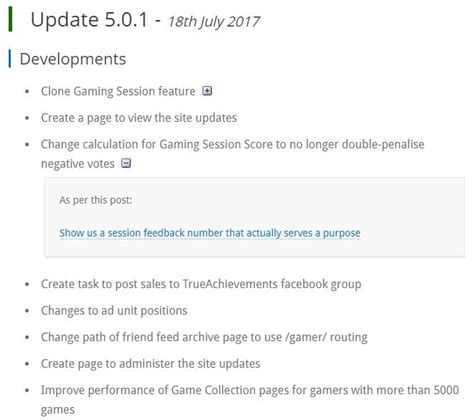
Transparency is paramount. Whatever method is chosen, it must be clearly communicated to the reader. An update log, a prominent editor’s note, or a clear distinction between an initial review and a separate “DLC review” ensures that readers understand the context of the assessment they are consuming.
Establishing Best Practices for a Dynamic Medium
Given the complexities, a hybrid approach often serves best. An initial review should unequivocally state that it’s a launch assessment, and explicitly mention the developer’s post-launch plans if known. For major updates or DLCs, dedicated supplementary reviews are ideal, allowing their content to be judged on its own merits while referencing the base game’s quality.
For truly transformative updates that fundamentally alter the base game (e.g., No Man’s Sky’s evolution), a full “re-review” with a new score and a clear explanation of all changes is warranted. In such cases, the original review should be clearly marked as historical. The key is to be consistent, transparent, and prioritize clarity for the reader, ensuring they always know what version of the game is being discussed and when the assessment was made.

Conclusion: Adapting to the Modern Gaming Landscape
The challenge of reviewing living games will only continue to grow. As article writers and critics, our role is to provide accurate, timely, and relevant information. This means moving beyond the traditional static review model and embracing flexible, transparent strategies that account for the dynamic nature of modern video games. By clearly articulating our methodology and consistently updating our coverage, we can continue to serve our audience effectively in this ever-evolving digital playground.