What actionable steps make a walkthrough useful for both new and veteran players?
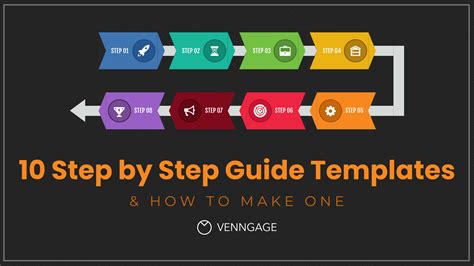
An effective game walkthrough isn’t just a linear path; it’s a dynamic resource. Balancing the needs of players new to a game’s world with veterans seeking to master its deepest mechanics is an art. A truly useful walkthrough caters to both, offering foundational guidance without boring the experienced, and providing advanced insights without overwhelming the novice. The key lies in strategic structuring and thoughtful content delivery.
Laying the Groundwork for Newcomers
Clear, Step-by-Step Fundamentals
For those just embarking on their journey, a walkthrough must first establish a clear, unambiguous path. This means detailing basic controls, explaining the user interface, and guiding them through the initial quests or tutorials without assuming prior knowledge. Use simple language, break down complex actions into manageable steps, and highlight critical early-game decisions or mechanics that could frustrate a beginner.
Basic Strategies and Early-Game Pitfalls
Beyond basic controls, new players benefit immensely from insight into fundamental strategies. Explain the purpose of different character builds, basic resource management, and how to approach common enemy types. Crucially, highlight early-game pitfalls such as common death traps, easily missed objectives, or permanent decisions that might be regretted later, offering solutions or warnings.
Unlocking Mastery for Veterans
Advanced Tactics and Optimal Strategies
Veterans, on the other hand, seek efficiency, optimization, and advanced knowledge. Their walkthrough sections should delve into intricate game mechanics, optimal character builds for specific playstyles (e.g., speedrunning, 100% completion, challenge runs), and complex boss strategies that exploit weaknesses or offer unique approaches. Provide data-driven insights, damage calculations, and comparisons of different gear or ability combinations.
Hidden Secrets, Lore, and End-Game Content
Beyond mere completion, veteran players are often driven by a desire to uncover every secret. Dedicate sections to obscure collectibles, hidden lore entries, secret bosses, and intricate Easter eggs. Comprehensive coverage of post-game content, New Game+ variations, and high-difficulty challenges provides immense value, transforming a simple guide into an exhaustive encyclopedia of the game.
Bridging the Skill Gap with Smart Design
Modular Structure and Navigational Ease
The true challenge lies in making a single walkthrough serve both demographics without alienating either. This is achieved through intelligent structure. Implement a modular design with clear headings, subheadings, and a comprehensive table of contents. Allow readers to easily skip foundational information or jump directly to advanced sections using internal links, search functionality, and timestamped video guides.
Contextual Information and Spoiler Warnings
Providing contextual information is key. For a specific puzzle, offer the direct solution for new players, but also explain the underlying logic for veterans interested in problem-solving methodology. Crucially, implement clear spoiler warnings before revealing significant plot points, secret areas, or major twists, giving players control over their discovery experience.
Enhancing Utility Through Presentation
Visual Aids and Multimedia Integration
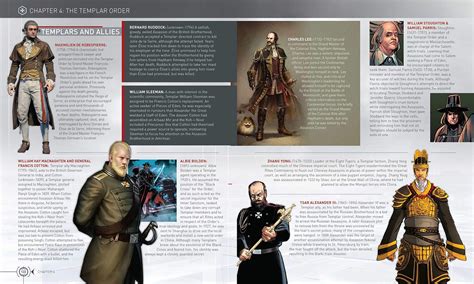
Visual communication is paramount. Integrate high-quality screenshots for key locations, puzzle solutions, or character builds. Detailed maps with marked objectives, collectibles, and points of interest are invaluable. For complex sequences or boss fights, embedded video clips or GIFs can demonstrate timing and movement far more effectively than text alone.
Concise Language and Version Control
Regardless of the target audience, clarity and conciseness are vital. Avoid verbose explanations; get straight to the point. Furthermore, acknowledge that games evolve. Include a ‘version control’ section or update notes to inform players of changes introduced by patches or expansions, ensuring the walkthrough remains accurate and relevant over time.

Fostering Community and Evolution
Encouraging Player Contributions
A truly living walkthrough encourages community interaction. Provide avenues for players to suggest alternative strategies, point out omissions, or offer corrections. This not only enriches the content but also fosters a sense of ownership and collaboration, making the guide a dynamic, continuously improving resource.
Conclusion
Ultimately, a walkthrough that serves both new and veteran players is a testament to thoughtful design and a deep understanding of player psychology. By meticulously crafting foundational guidance for beginners, while simultaneously offering profound insights for masters, and presenting it all in an accessible, navigable format, you transform a simple guide into an indispensable companion for every step of a player’s journey through a game.