What’s the best guide structure for complex RPGs to avoid overwhelming new players?

Complex Role-Playing Games (RPGs) offer incredibly deep and rewarding experiences, but their intricate systems, sprawling worlds, and nuanced mechanics can be a formidable barrier for newcomers. A poorly structured guide, even with accurate information, can contribute to information overload, leading to frustration and player attrition. The key lies in creating a guide that serves as a welcoming hand, not a dense encyclopedia.
The Challenge of Complexity and Information Overload
Many RPGs throw players into a vast world with a character sheet full of unfamiliar stats, multiple skill trees, crafting systems, faction allegiances, and an expansive lore bible from the get-go. Presenting all of this information upfront is a recipe for disaster. New players need a gentle ramp, not a cliff dive. They want to understand enough to make meaningful progress and enjoy their initial hours without feeling like they need to study a textbook.

Core Principles for Effective Guide Structure
To craft a truly effective guide, certain foundational principles must be at its heart:
1. Progressive Revelation: The Layered Approach
Start with the absolute essentials required to begin playing. Introduce core mechanics (movement, basic combat, main quest objectives) first. As players advance, layer in more complex systems such as character building, advanced combat tactics, crafting, or faction mechanics. This mimics the natural learning curve of the game itself.
2. Modular Design: Bite-Sized Chunks
Break down the guide into distinct, self-contained modules. Instead of a monolithic ‘Gameplay’ section, have ‘Character Creation Basics,’ ‘Understanding Combat,’ ‘Exploration & Maps,’ ‘Inventory Management,’ etc. Each module should be digestible on its own, allowing players to jump to specific topics as needed without getting lost.
3. Action-Oriented and Contextualized Learning
Guides should answer the ‘what now?’ and ‘why?’ questions. Instead of just listing stats, explain what they do and in what situations they are important. Provide actionable advice for common early-game scenarios. Link explanations to immediate gameplay relevance.
Essential Sections and How to Organize Them
Building on these principles, a guide should typically include the following:
The “Quick Start” Guide: Absolute Essentials
This is paramount. A 1-2 page (or short web section) guide that covers: how to start a new game, basic controls, the immediate objective, how to save, and perhaps one core combat ability. It’s designed to get players playing immediately.
Foundational Mechanics: Understanding the Core
Once past the initial hurdle, players will need a deeper understanding of core systems. Dedicate sections to:
- Character Creation & Classes: Explain choices simply, perhaps recommending beginner-friendly options.
- Combat Basics: Movement, attack, defense, target selection.
- Exploration & World Navigation: How to read the map, identify points of interest.
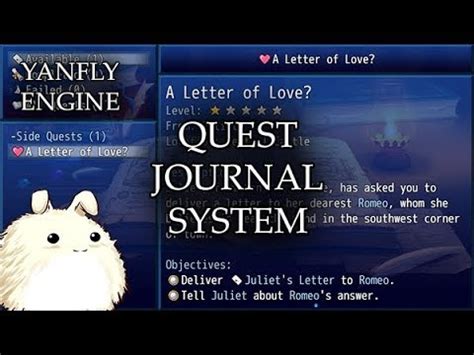
- Questing & Journal: How to accept, track, and complete quests.
- Inventory & Basic Gear: Managing items, equipping gear.

Deep Dives: Advanced Systems and Strategies
These sections can be more detailed, catering to players who are past the initial learning phase and want to optimize or explore deeper aspects. This includes:
- Advanced Character Builds: Synergies, stat allocation, specific gear.
- Crafting & Professions: Detailed recipes, resource gathering, optimization.
- Faction Systems: Reputation, rewards, consequences.
- Lore & World Building: For those who want to immerse themselves fully.
- Endgame Content: Raids, specific challenges, post-story objectives.

“What to Do Next” and Troubleshooting
Integrate sections that help players overcome common hurdles. This could be a flowchart for early-game progression, a list of common early quests and their solutions, or a FAQ for frequently encountered issues (e.g., “My character feels weak, what should I do?”).
Beyond Text: Leveraging Visuals and Searchability
Visual aids are invaluable. Maps with annotated points of interest, simple diagrams explaining complex mechanics (e.g., a combat damage formula breakdown), and screenshots of key UI elements can convey information far more efficiently than text alone. Furthermore, robust search functionality, a comprehensive glossary of game terms, and a clear table of contents are critical for making the guide a useful long-term reference.
Conclusion: Empowering New Adventures
The best guide for complex RPGs isn’t just a compendium of facts; it’s a carefully crafted learning journey. By prioritizing progressive revelation, modular design, and action-oriented content, creators can transform potentially overwhelming experiences into accessible and deeply engaging adventures for every new player. A well-structured guide not only reduces frustration but significantly enhances player retention and enjoyment, fostering a dedicated community around the game for years to come.