Mod authors: How to balance player feedback and original mod vision?

Mod authors inhabit a unique space, bridging personal creativity with public expectation. The journey from a nascent idea to a fully realized modification is often shaped by the community that embraces it. Yet, this engagement presents a critical challenge: how to weigh invaluable player feedback against the deeply personal, original vision that sparked the mod’s creation?
The Core of Your Creation: Nurturing the Original Vision
Every mod starts with a spark – an unmet need, a creative impulse, or a desire to enhance a game in a specific way. This original vision is the blueprint, the north star. It’s what differentiates your mod and gives it a unique identity. Deviating too far from this core can dilute its essence and potentially lead to a disjointed experience, both for you as a creator and for your players.
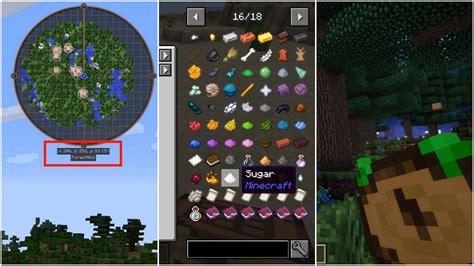
Before even releasing your mod, clearly define its scope and primary objectives. What problems does it solve? What experience does it aim to deliver? Documenting these foundational elements can serve as a valuable reference point when you’re later inundated with diverse opinions.
Embracing the Community: The Double-Edged Sword of Feedback
Once released, your mod becomes a living entity within its community. Players will find bugs, suggest features, express desires, and offer praise. This feedback loop is essential for identifying critical issues, improving user experience, and understanding how your mod is actually perceived.

Feedback isn’t monolithic. It ranges from objective bug reports (invaluable!) to subjective feature requests, balance complaints, or even demands for entirely new content. Learning to categorize and prioritize this input is crucial.
Strategic Integration: Filtering and Prioritizing Feedback
Not all feedback is created equal, nor is all of it relevant to your mod’s original intent. Develop a strategy for evaluating player input. Consider:
- Does this feedback align with my mod’s core vision?
- Is it a bug report (priority one!) or a feature request?
- How many users are requesting this feature? Is it a vocal minority or a widespread desire?
- Is it technically feasible?
- Will implementing this significantly increase my workload without commensurate benefit?
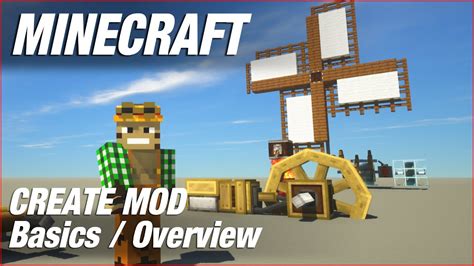
Create a system, even a simple one, to track suggestions. A “maybe later” list can be helpful for ideas that resonate but aren’t immediate priorities. Remember, you don’t have to implement every suggestion.
Setting Boundaries: Knowing When to Say No
One of the hardest lessons for mod authors is learning to respectfully decline requests. Players often have grand ideas, but they don’t see the hours of development, testing, and potential compatibility issues involved. Saying “no” isn’t a failure; it’s a necessary act of self-preservation and vision protection.
Clearly communicate your mod’s scope and your personal bandwidth. If a suggestion strays too far from your mod’s identity or demands an unreasonable amount of effort, politely explain why it won’t be implemented, or suggest that it might be better suited for a different mod entirely.
The Art of Iteration: Evolving While Staying True
Balancing vision and feedback isn’t about rigid adherence or complete surrender; it’s an iterative dance. Look for ways to integrate feedback that enhances your mod within its existing framework, rather than transforming it into something entirely different. Perhaps a player’s request for “more content” can be reframed as an opportunity to add depth to existing features instead of sprawling new systems.
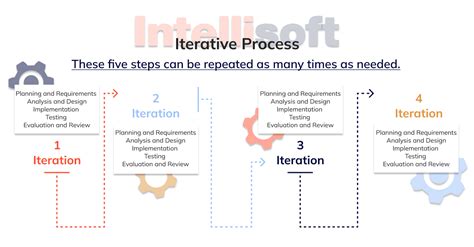
Think of your mod as a tree. Player feedback might suggest pruning dead branches or adding new leaves, but the core trunk and roots remain. Small, incremental changes based on well-considered feedback can significantly improve your mod’s quality and appeal without sacrificing its soul.
Communicating with Your Community: Transparency is Key
Open and honest communication fosters a healthy relationship with your player base. Regularly update them on your progress, challenges, and your rationale behind certain development decisions. Explain why some features are being added and why others are being declined.
Engage constructively in discussions. Acknowledge good ideas, thank players for their enthusiasm, and clearly state your intentions. This transparency builds trust and helps manage expectations, making players more understanding when their specific request isn’t implemented.
Conclusion
Ultimately, the mod is yours. While player feedback is an invaluable resource for refinement and bug fixing, the final creative authority rests with you, the author. Finding that sweet spot where community input elevates your original vision without overshadowing it is a continuous journey. Embrace the feedback, but always remember the unique spark that started it all. Your mod’s identity, and your enjoyment in creating it, depend on that balance.