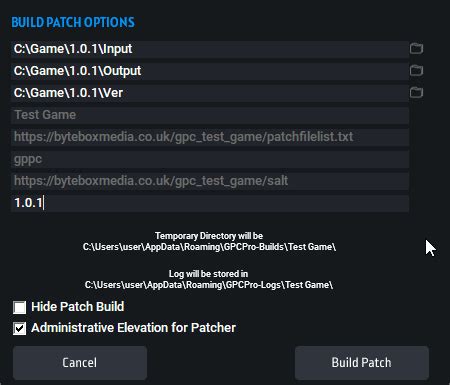
How do you keep extensive game guides updated and relevant after major patches or DLC releases?
The Ever-Evolving Game Landscape
Modern video games are living entities, constantly changing with new patches, balance adjustments, content updates, and expansive DLC releases. For creators of extensive game guides, this dynamic environment presents a significant challenge: how do you ensure your meticulously crafted information remains accurate and relevant? A guide that’s even slightly out of date can quickly become useless, or worse, misleading, eroding trust with your audience. The key lies in developing a robust, adaptable strategy for ongoing maintenance and content integration.

Establishing a Core Update Strategy
The foundation of effective guide maintenance is a clear, repeatable strategy. Begin by categorizing your guide’s content. What parts are most susceptible to change (e.g., character builds, item stats, quest lines, meta strategies) and what parts are relatively stable (e.g., lore, basic mechanics)? This categorization helps prioritize updates. Develop a ‘patch watch’ system: dedicate resources to reviewing official patch notes and developer announcements immediately upon release. Assign specific sections or topics to team members who specialize in those areas, allowing for quicker and more accurate assessments of impact.
Consider creating a ‘changelog’ section within your guide, or alongside it, to document what has been updated and why. This transparency not only helps users understand the guide’s evolution but also builds credibility. Furthermore, plan for tiered updates: a rapid ‘hotfix’ update for critical, game-breaking changes, followed by a more comprehensive overhaul once the full impact of a patch or DLC is understood.

Leveraging Community and Data
You don’t have to tackle guide updates in a vacuum. The gaming community is a powerful resource. Engage with your audience through comments, forums, and social media. Often, players will quickly identify outdated information or new discoveries that need to be incorporated. Establish channels for feedback and actively solicit input. While community contributions need verification, they can significantly accelerate the identification of necessary changes.
Beyond direct feedback, utilize in-game data and analytics where possible. Track player trends, popular builds, and content engagement to understand what aspects of the game are currently most relevant. This data-driven approach helps inform what sections of your guide require the most attention and where new content might be needed to reflect emergent gameplay.
Content Management and Version Control
For extensive guides, a robust content management system (CMS) is indispensable. It allows multiple contributors to work simultaneously, track changes, and roll back to previous versions if necessary. Implement a clear version control process, tagging guide versions with the specific game patch or DLC they correspond to. This is crucial for maintaining historical accuracy and helps users navigate if they are playing on an older game version.
When a new patch or DLC drops, don’t immediately delete old content. Instead, archive or clearly mark sections that are no longer valid. Some players might still be referencing older game versions, or the information might be valuable for historical context. Integrate new DLC content seamlessly, often requiring dedicated new sections or significant expansions to existing ones, rather than simply tacking it on at the end. Ensure consistent formatting and terminology across all new and updated sections.

Proactive Monitoring and Communication
Staying ahead of the curve means more than just reacting to updates. Proactively monitor official developer channels, social media, and industry news for announcements about upcoming patches and DLCs. This foresight allows you to mentally prepare for the scope of changes and potentially pre-allocate resources for the update process. Communicate openly with your audience about your update schedule and any anticipated delays. A simple message like “We are currently updating our guide for Patch X.X; thank you for your patience!” can manage expectations and maintain user loyalty.
Ultimately, keeping extensive game guides updated is an ongoing commitment. It requires dedication, a structured approach, effective tools, and a willingness to engage with both the game itself and its community. By treating your guide as a living document, you ensure its lasting value and relevance in the ever-evolving world of gaming.