How to structure game guides for quick answers & spoiler avoidance?

The Dual Challenge of Game Guide Design
Creating an effective game guide presents a unique challenge: how do you provide players with the exact information they need, precisely when they need it, without inadvertently revealing future plot points or surprises? The key lies in meticulous structural design and a user-centric approach that prioritizes both accessibility and protection from spoilers. A well-structured guide empowers players, allowing them to overcome hurdles while preserving the joy of discovery.

Modular Design for Instant Answers
The foundation of a quick-answer guide is a modular structure. Break down the game into its smallest logical components: quests, levels, areas, boss fights, collectible types, or specific mechanics. Each module should be self-contained, addressing a single topic comprehensively. Use clear, descriptive headings (e.g., <h3> for main sections, <h4> for subsections) that act as signposts. Players should be able to scan these headings and immediately identify the section relevant to their current predicament.
- Section by Section: Dedicate specific sections to individual quests, boss encounters, or item locations.
- Consistent Naming: Use the game’s official terminology for areas, characters, and items to make search easier.
- Key Information First: Within each section, place the most common questions or critical solutions at the very beginning.
Intuitive Navigation and Table of Contents
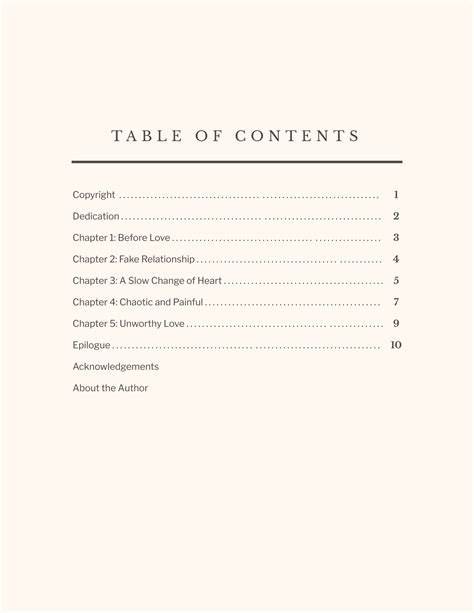
Even with modular content, players need an efficient way to navigate. A prominent and interactive Table of Contents (TOC) is indispensable. For longer guides, consider a fixed-position TOC that remains visible as the user scrolls. Internal anchor links within the guide allow users to jump directly to specific sections or subsections, bypassing irrelevant information. Also, think about breadcrumbs for multi-page guides or complex hierarchies.
Strategic Spoiler Avoidance Techniques
Protecting players from spoilers requires a multi-layered approach. The goal is to inform without revealing surprises for those who don’t want them.
Clear Spoiler Warnings
Before any major spoiler content (e.g., plot twists, secret endings, specific character deaths), place a highly visible warning. This could be a bolded line, a distinct color box, or a collapsible section clearly labeled “SPOILERS AHEAD.”
Separate Spoiler Sections
For extensive spoiler content, such as lore analysis, multiple endings, or post-game secrets, consider dedicating entirely separate pages or major sections of the guide. Link to these from the main guide but make it clear they contain sensitive information.
Collapsible/Hidden Content
Implement interactive elements like collapsible sections or ‘click to reveal’ buttons for specific pieces of spoiler information. This allows users to actively choose whether or not to see the content. This is particularly useful for puzzle solutions that might reveal mechanics if read too early.
Leveraging Visual Aids and Searchability
Images, maps, and diagrams can often convey information much faster than text, especially for spatial puzzles or collectible locations. Ensure these visuals are clearly labeled and placed contextually. Furthermore, optimize your guide for search engines and in-page search functionality. Use keywords naturally throughout your headings and paragraphs, anticipating what terms a struggling player might type into a search bar.
Conclusion: A Seamless and Respectful Experience
Ultimately, a well-structured game guide is about respecting the player’s journey. By employing modular design, intuitive navigation, and thoughtful spoiler avoidance techniques, you create a resource that is not just informative but also enhances the overall gaming experience. Players can find what they need swiftly, overcome obstacles, and continue enjoying the game’s narrative and discoveries at their own pace.