My gaming PC stutters. How to optimize GPU drivers for smooth FPS?

Tired of Stuttering? The Power of GPU Driver Optimization
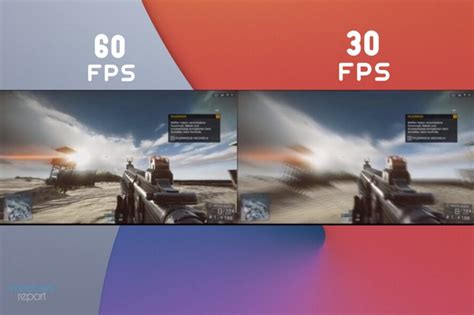
There’s nothing more frustrating for a PC gamer than experiencing stuttering or inconsistent frame rates (FPS) during an intense gaming session. While many factors can contribute to poor performance, your GPU drivers are often the unsung heroes—or the silent culprits—behind your gaming experience. Properly optimizing them can unlock significant performance gains and provide the smooth gameplay you crave.

1. Start with a Clean Driver Installation
The first and most crucial step in optimizing your GPU drivers is ensuring you have the latest version installed cleanly. Driver updates often include performance improvements, bug fixes, and optimizations for new game releases. However, simply installing new drivers over old ones can sometimes lead to residual conflicts and performance issues.
Update Your Drivers
- NVIDIA: Use GeForce Experience to check for and install the latest Game Ready Drivers.
- AMD: Use AMD Adrenalin Software to check for recommended or optional driver updates.
- Intel: Use the Intel Driver & Support Assistant to find the latest graphics drivers.
Perform a Clean Installation with DDU
For the best results, especially if you’re experiencing persistent issues, consider performing a clean uninstallation using Display Driver Uninstaller (DDU). This tool removes all traces of previous display drivers, preventing potential conflicts.
- Download DDU and your latest GPU drivers (don’t install them yet).
- Reboot your PC into Safe Mode.
- Run DDU, select ‘Clean and restart’ for your GPU.
- Once your PC reboots, install the freshly downloaded drivers. Choose the ‘Custom’ or ‘Advanced’ option during installation and select ‘Perform a clean installation’ if available.
2. Fine-Tune Your Driver Settings for Performance
Beyond simply installing drivers, both NVIDIA and AMD offer extensive control panels that allow you to fine-tune various graphics settings globally or on a per-game basis. These settings can dramatically impact performance and visual quality.
NVIDIA Control Panel Settings
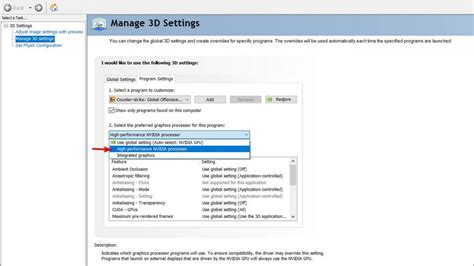
Right-click on your desktop and select ‘NVIDIA Control Panel’. Go to ‘Manage 3D settings’.
- Power management mode: Set to ‘Prefer maximum performance’ to ensure your GPU always runs at its highest clock speeds during gaming.
- Low Latency Mode: Experiment with ‘On’ or ‘Ultra’ to reduce input lag, which can sometimes also smooth out frame delivery.
- Texture filtering – Quality: Set to ‘High performance’.
- Vertical sync: Generally ‘Off’ unless you’re experiencing severe screen tearing and don’t have G-Sync/FreeSync. If you have adaptive sync, enable it and disable V-Sync in drivers/game.
- Image Scaling (NIS): If you’re struggling to hit target FPS, try enabling this. You render at a lower resolution and the driver upscales it, often with minimal visual impact but significant performance gains.
AMD Adrenalin Software Settings
Right-click on your desktop and select ‘AMD Radeon Software’. Go to the ‘Gaming’ tab.
- Radeon Anti-Lag: Enable this to reduce input lag.
- Radeon Boost: Can dynamically lower resolution during fast-motion scenes for increased FPS, then revert when motion slows.
- Radeon Chill: Sets a target FPS range to save power and reduce heat, but can be disabled for maximum performance if stuttering is an issue.
- Image Sharpening (RIS): Similar to NVIDIA’s NIS, this can make lower resolution renders look crisper.
- Wait for Vertical Refresh: Equivalent to V-Sync. Keep ‘Off’ unless screen tearing is an issue.
- Power Tuning: Ensure ‘GPU Workload’ is set to ‘Graphics’.
3. Monitor and Troubleshoot Further
Even with optimized drivers, other factors can cause stuttering. Keep these in mind:
- Monitor GPU Usage & Temperatures: Use tools like MSI Afterburner or HWMonitor to check if your GPU is hitting 100% usage consistently or throttling due to high temperatures. Overheating can cause performance dips.
- Game-Specific Settings: Always check in-game graphics settings. Some options like ‘Volumetric Clouds’, ‘Ray Tracing’, or excessive ‘Shadow Quality’ can be extremely demanding and might need to be lowered even with optimized drivers.
- Background Processes: Ensure no heavy applications or unnecessary background processes are consuming CPU or GPU resources while gaming.
- PCIe Lane Issues: Confirm your GPU is seated correctly and running at its full PCIe speed (e.g., PCIe 4.0 x16).
Conclusion
Optimizing your GPU drivers is a fundamental step towards achieving smooth, stutter-free gameplay. By performing clean installations, judiciously adjusting driver control panel settings, and monitoring your system, you can significantly improve your gaming experience. Remember that performance optimization is an ongoing process, and keeping your drivers updated is key to maintaining peak performance.