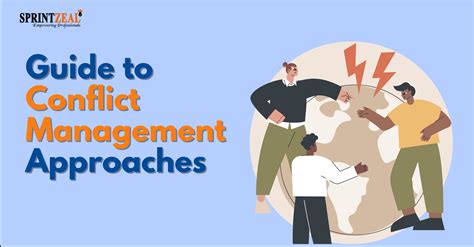
How can mod creators effectively manage user expectations & diffuse community conflicts?
The Double-Edged Sword of Modding Communities
Modding is a vibrant ecosystem where creators bring new life and endless possibilities to games. However, with every release and every new feature, mod creators often find themselves at the crossroads of immense appreciation and demanding user expectations. This delicate balance, coupled with the potential for community conflicts, can be overwhelming. Effectively managing these dynamics is crucial not just for a mod’s longevity but for the creator’s well-being.
Understanding the common pitfalls and implementing proactive strategies can transform a potentially stressful environment into a thriving, supportive community.

Setting Clear Expectations from the Outset
One of the most powerful tools in a mod creator’s arsenal is transparent and consistent communication. Unrealistic expectations are often the root cause of user frustration and conflict. Creators can mitigate this by:
- Defining Scope & Limitations: Clearly state what your mod aims to do and, more importantly, what it won’t do. Are you focused on bug fixes, new content, or a complete overhaul? Be upfront about features that are out of scope or technically impossible.
- Communicating Development Status: Regular updates on progress, even if it’s just to say things are slow, are better than silence. Use status updates to manage hype and inform users about potential delays.
- Establishing a Realistic Release Schedule: Avoid promising specific release dates far in advance. Instead, focus on progress milestones or ‘when it’s ready’ approaches. If you do set a date, build in buffer time.
- Documenting Known Issues: Acknowledge bugs or compatibility issues openly. This shows you’re aware and working on them, preventing multiple reports of the same problem.
Effective Communication & Feedback Channels
Beyond setting expectations, active engagement with your community is vital. This involves not just broadcasting information but also listening and integrating feedback constructively.
- Choose Appropriate Platforms: Whether it’s a dedicated Discord server, a forum, a Patreon page, or a modding website’s comment section, ensure you have accessible channels for communication. Don’t try to be everywhere at once; pick platforms you can realistically manage.
- Regular Updates & Dev Logs: Post periodic updates, screenshots, or short videos to keep the community engaged and informed about your progress. This fosters excitement and reduces speculation.
- Active Listening: Pay attention to common themes in feedback. Look for constructive criticism and feature suggestions, but also learn to filter out repetitive or unhelpful noise.
- Constructive Feedback Integration: When possible, address feedback directly. Explain why certain suggestions might not be implemented, or thank users for ideas that you plan to incorporate.
Strategies for Diffusing Community Conflicts
Even with the best communication, conflicts will arise. How you handle them can define your community’s atmosphere.
Establish Clear Community Guidelines
Before conflicts erupt, have a clear set of rules for your community spaces. These should outline acceptable behavior, content, and interaction styles. Make sure moderators (if you have them) are well-versed in these rules.
Proactive Moderation
- Address Issues Early: Small issues can escalate quickly. Intervene politely but firmly when discussions veer into unproductive or toxic territory.
- Lead by Example: Your tone sets the precedent. Remain calm, professional, and empathetic, even when faced with aggressive users.
- Separate & Isolate: If a conflict involves a few individuals, consider moving the discussion to private messages or a dedicated conflict resolution channel if available. This prevents public spectacle.
- Understand the Root Cause: Sometimes, anger stems from genuine frustration that wasn’t properly communicated. Try to understand the user’s perspective before jumping to conclusions.
Dealing with Entitlement and Toxicity
Some users exhibit entitlement, demanding features or fixes with aggressive language. Others are purely toxic, seeking to disrupt. Here’s how to manage them:
- Don’t Feed the Trolls: Often, ignoring purely provocative behavior is the best course. They seek a reaction.
- Firm, Fair, and Consistent: Apply your community rules consistently. If someone crosses a line, enforce the consequences (warnings, temporary bans, permanent bans) without hesitation or favoritism.
- Set Boundaries: It’s okay to say no to unreasonable demands. Remind users that modding is a passion project, and you are not obligated to fulfill every request.
- Protect Your Well-being: Don’t let toxic interactions consume you. Delegate moderation if possible, and step away when needed. Your mental health is paramount.
Fostering a Positive and Supportive Environment
Beyond conflict resolution, actively cultivating a positive atmosphere is key.
- Recognize & Appreciate: Publicly thank users who contribute positively, whether through helpful bug reports, creative suggestions, or just positive engagement.
- Encourage Peer Support: Foster an environment where community members help each other with technical issues or gameplay questions.
- Highlight Community Creations: If your mod inspires user-made content (screenshots, stories, sub-mods), showcase them. This strengthens the sense of community ownership.

Conclusion
Managing user expectations and diffusing community conflicts is an ongoing process for any mod creator. It requires a blend of clear communication, proactive moderation, empathy, and firm boundaries. By investing in these strategies, creators can build resilient, appreciative communities that not only support their work but also contribute to the overall positive experience of modding. Remember, you are a creator first, and your well-being directly impacts the quality and sustainability of your passion projects.