How do amateur teams effectively use VOD review to improve competitive strategy?

In the high-stakes world of competitive esports, professional teams often employ dedicated analysts to meticulously dissect their gameplay and that of their opponents. But what about amateur teams, those striving to make their mark without the same resources? For them, Video On Demand (VOD) review isn’t just a luxury; it’s a critical, accessible tool for strategic improvement. Mastering VOD review can bridge the gap between casual play and competitive success, transforming frustrating losses into invaluable learning experiences.
Understanding the Power of VOD Review for Amateur Teams
VOD review offers a crucial opportunity for teams to objectively observe their performance, free from the heat of the moment. During live gameplay, decisions are made in split seconds, often driven by instinct or incomplete information. Reviewing a VOD allows players and teams to pause, rewind, and analyze situations with a clear head, uncovering nuances that were missed. This process is vital for identifying recurring individual mistakes, dissecting failed team coordinated plays, and understanding why specific strategies did or didn’t work against a particular opponent.
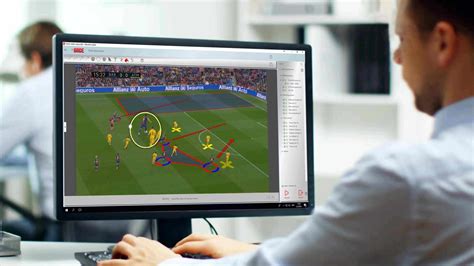
For amateur teams, this self-analysis is perhaps even more important than for professionals. Without external coaching, teams must learn to be their own best critics. VOD review fosters a culture of accountability and collective learning, enabling players to see their actions from an external perspective and understand their impact on the overall team dynamic and strategic outcome.
Setting Up an Effective VOD Review Process
Before diving into the analysis, a structured approach is key. First, ensure consistent recording. Most competitive games offer in-client replay systems, while third-party software like OBS can capture live comms alongside gameplay, adding another layer of valuable data. Dedicate specific, consistent time slots for review sessions – ideally after every few scrims or competitive matches – and ensure all team members are present and prepared to engage constructively.
It’s essential to approach VOD review with a growth mindset. The goal is not to assign blame but to identify areas for improvement. Every player, from the star carry to the supportive anchor, has moments they can refine. Establishing ground rules for respectful and constructive feedback will ensure that review sessions are productive and don’t devolve into finger-pointing.
The Step-by-Step Guide to In-Depth Analysis
Effective VOD review isn’t just watching highlights; it’s a systematic dissection of gameplay. Start with a broad overview, then drill down into specifics:
- Individual Performance: Each player should primarily focus on their own perspective. Were abilities used optimally? Was positioning safe or aggressive when appropriate? Were resources managed efficiently? Look for common mechanical slip-ups or decision-making flaws.
- Team Coordination & Strategy: This is where the magic happens. Analyze engages and disengages – were they cohesive? Were objective calls made clearly and executed uniformly? Trace rotations: were they timely? Did the team react appropriately to opponent movements? Review specific strategic plays, like early-game invasions or late-game pushes.
- Opponent Analysis: Don’t just look at what your team did wrong. What did the opponents do right? Identify their common patterns, favored compositions, and win conditions. This insight can be invaluable for future pick-ban phases and in-game adjustments.

Utilize timestamps to mark key moments: clutch plays, critical errors, successful strategies, or perplexing decisions. This allows for quick navigation and focused discussion on specific scenarios without re-watching the entire match.
Translating Insights into Actionable Improvement
The most crucial step in VOD review is transforming observations into tangible improvements. A review session is pointless if it doesn’t lead to actionable goals. After identifying specific issues, the team should collectively brainstorm solutions and assign responsibilities.
For example, if the VOD reveals poor objective control, the actionable goal might be: “Next scrim, we will prioritize vision control around the Baron pit 60 seconds before it spawns.” If a player consistently mispositions, a drill focused on specific movement patterns or map awareness might be prescribed. These goals should be specific, measurable, achievable, relevant, and time-bound (SMART).
Implement these changes in subsequent scrims and matches. Critically, after playing with the new strategies or individual adjustments, conduct another VOD review to assess their effectiveness. This iterative process of review, implement, and re-review is the engine of continuous improvement for any competitive amateur team.
Conclusion: The Path to Competitive Growth
For amateur esports teams, VOD review is far more than just re-watching old games; it’s a systematic approach to self-improvement and strategic development. By diligently recording, objectively analyzing, and proactively implementing changes, teams can unlock hidden potentials, refine their competitive edge, and elevate their game without the need for professional analysts. Consistent, disciplined VOD review is the amateur team’s most powerful weapon on the journey to competitive excellence.