How to boost Indie Spotlight game discoverability beyond launch features?
The Post-Launch Discoverability Cliff: A Common Indie Challenge
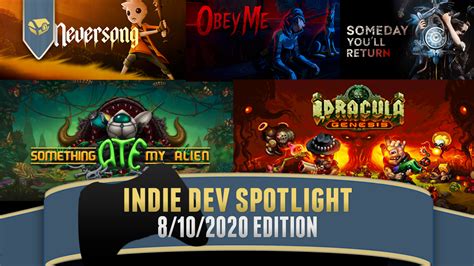
For many indie games, the initial launch period often comes with a surge in visibility, thanks to platform features like new release lists, influencer buzz, and a curated ‘Indie Spotlight’. However, once these temporary boosts fade, developers often face a significant drop-off in discoverability. The challenge then shifts from simply launching to sustaining momentum and finding new audiences in an ever-crowded market. The good news is that with a strategic, long-term approach, it’s entirely possible to not only maintain but actually grow your game’s player base well beyond its initial debut.
Building a Thriving Community: Your Long-Term Engine
Your existing players are your greatest asset for discoverability. Fostering a strong, engaged community around your game can transform early adopters into passionate advocates. Platforms like Discord, dedicated forums, and active social media channels are essential. Regularly interact with your players, listen to their feedback, and make them feel like an integral part of your game’s journey. Encourage user-generated content (UGC), host community events, and celebrate player achievements. A vibrant community creates organic buzz, word-of-mouth marketing, and invaluable feedback that can guide future updates.

Continuous Content Creation and Engagement
A static game quickly becomes an forgotten game. To keep your title fresh and relevant, a continuous stream of content is vital. This doesn’t just mean major expansions; think about smaller, regular updates:
- Dev Blogs/Vlogs: Share insights into development, upcoming features, and behind-the-scenes stories.
- Patches & Fixes: Regular updates demonstrate ongoing support and commitment.
- New Features: Introduce new characters, levels, modes, or quality-of-life improvements.
- Roadmaps: Share your future plans to keep players excited about what’s next.
Each new piece of content provides a fresh reason for media, influencers, and players to talk about your game again, creating new marketing opportunities.
Re-Engaging Influencers and Media
The relationship with influencers and media doesn’t end at launch. If you’ve released significant updates, new content, or reached a major milestone, reach out to those who previously covered your game. Provide them with a concise update, highlight the new features, and offer keys for review. Don’t shy away from targeting smaller, niche streamers and content creators who might have highly engaged audiences relevant to your game’s genre. Personalized outreach and a clear value proposition are key.
Smart Storefront Optimization and Platform Leveraging
Your game’s store page is a critical discovery tool. Keep it updated! Refresh screenshots and trailers to reflect new content or improved visuals. Ensure your description is clear, compelling, and uses relevant keywords. Actively respond to player reviews – positive responses encourage more engagement, while thoughtful replies to negative feedback can show your dedication. Beyond just your store page, actively participate in platform-wide sales, bundles, and seasonal events. Explore opportunities for curated features on storefronts that highlight updated games or specific genres. Also, consider launching on new platforms (e.g., Switch, Xbox, PlayStation, mobile) if feasible, as each new launch provides a fresh burst of discoverability.
Creative Marketing and Cross-Promotion Strategies
Thinking outside the box can yield significant results. Consider:
- Cross-Promotions: Collaborate with other indie developers whose games might appeal to a similar audience. Share each other’s games on social media, in newsletters, or even through in-game mentions.
- Contests and Giveaways: Run engaging contests that encourage social sharing, often tied to a new update or milestone.
- Paid Advertising: Even a modest budget for targeted ads on platforms like social media or gaming sites can expose your game to new demographics. Focus on highly specific audiences.
- Press Releases: For major updates or significant sales milestones, a well-crafted press release can attract renewed media attention.
Boosting your indie game’s discoverability beyond launch is a marathon, not a sprint. It requires consistent effort, a genuine commitment to your community, and a willingness to adapt your strategies. By focusing on continuous improvement, engaging content, and strategic outreach, indie developers can ensure their games find new players and thrive for years to come.