How to efficiently update aging gaming guides for relevance, SEO, and player retention?
The Evergreen Challenge: Keeping Gaming Guides Fresh
Gaming guides are an invaluable resource for players, offering solutions, strategies, and shortcuts to enhance their gameplay experience. However, the dynamic nature of video games, with their frequent patches, expansions, and community-driven meta changes, means that a guide, no matter how comprehensive at launch, can quickly become outdated. An aging guide not only loses its value to players but can also harm your site’s SEO and player retention. The key is to implement an efficient, systematic approach to content revitalization.
Why Updating Guides is Crucial
Outdated information can frustrate players, leading them to seek answers elsewhere, thereby increasing bounce rates and reducing engagement. From an SEO perspective, search engines prioritize fresh, accurate content, meaning old guides can plummet in rankings, becoming virtually invisible. Furthermore, maintaining up-to-date resources builds trust with your audience, positioning your platform as a reliable authority in the gaming niche.
The Audit Phase: Identifying What Needs Updating
The first step in any effective update strategy is a thorough content audit. This involves systematically reviewing your existing guides to pinpoint areas of outdated information, missing details, or opportunities for enhancement. Start by analyzing analytics: which guides still attract traffic but have high bounce rates? Which ones used to rank well but no longer do? Prioritize guides related to games that have recently received major updates or those with active, evolving metas.
Beyond analytics, actively engage with player feedback, community forums, and social media. Players are often the first to notice when a guide is inaccurate. Cross-reference this feedback with official game patch notes, developer roadmaps, and reputable news sources. This multi-faceted approach ensures you catch all critical changes that impact your guide’s accuracy and utility.

Strategies for Relevance and Accuracy
Once identified, updates must be precise and comprehensive. Verify every piece of information against the current game version. This includes character abilities, item stats, quest lines, map layouts, and optimal strategies. Update all screenshots, videos, and visual aids to reflect the latest in-game visuals and user interfaces. For guides on build orders, class specifications, or competitive strategies, recalculate and re-evaluate recommendations based on current game balance.
Consider adding entirely new sections or expanding existing ones to cover recently introduced content such as new DLC, seasonal events, or significant gameplay mechanics. Don’t just correct errors; enrich the guide with new tips, advanced tactics, and community insights that have emerged since its initial publication.
Boosting SEO and Discoverability
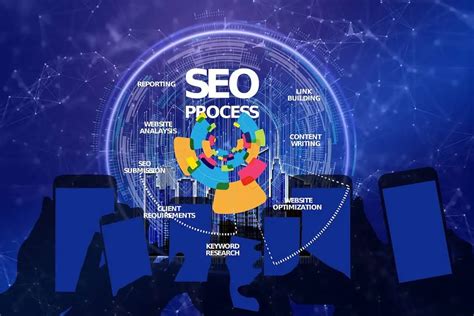
Updating a guide is also a prime opportunity to refresh its SEO performance. Conduct new keyword research to identify current trending search terms, long-tail keywords, and potential voice search queries related to the updated content. Integrate these naturally into your headings (H1, H2, H3), introductory paragraphs, and body text. Ensure your meta title and description accurately reflect the guide’s updated content and include target keywords.
Improve internal linking by connecting your refreshed guide to other relevant, up-to-date articles on your site. This helps search engines understand your site’s structure and passes link equity between pages. If applicable, consider implementing schema markup (e.g., HowTo, Game, Review) to give search engines more context about your content, potentially leading to rich snippets in search results.

Enhancing Player Retention and Engagement
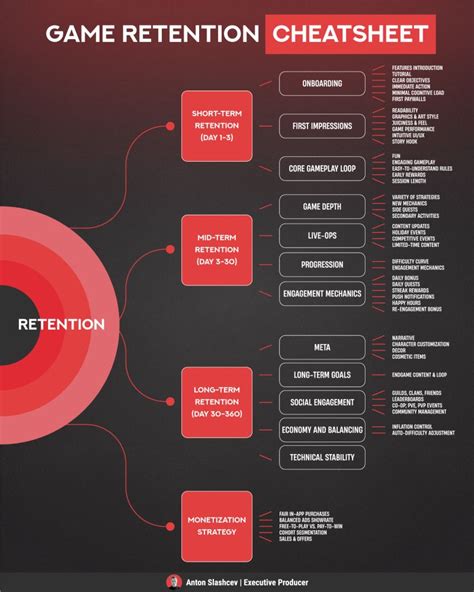
Beyond accuracy and SEO, a well-updated guide should also prioritize player experience. Improve readability by breaking up long paragraphs, using bullet points, bold text, and clear headings. Incorporate more interactive elements where possible, such as embedded video walkthroughs, clickable tables of contents, or even simple build calculators. These features not only make the guide more engaging but also increase time on page, a positive signal for SEO.
Foster community engagement by actively responding to comments and questions on the guide page. Consider adding a section for “Community Tips” or “Player FAQs” that you update periodically. A dynamic, responsive guide feels alive and encourages repeat visits, transforming your content into a hub for ongoing discussion and learning.

Implementing an Efficient Update Workflow
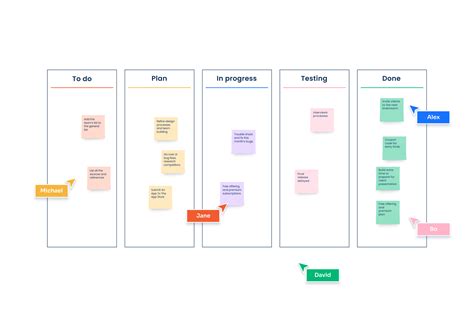
To ensure updates are manageable and consistent, establish a clear workflow. Schedule regular content audits – perhaps quarterly or semi-annually, depending on the game’s update frequency. Utilize project management tools or content calendars to track which guides need attention and when. Assign clear responsibilities to team members, whether it’s for data verification, content writing, or SEO optimization.
Consider creating templates for common update types or a “change log” section within the guide itself, transparently detailing what has been updated and when. This not only streamlines your internal process but also builds trust with your audience, showing them your commitment to accuracy. Collaborating with game experts or dedicated community members can also provide invaluable insights and speed up the verification process.
Conclusion
Updating aging gaming guides is not a one-time fix but an ongoing commitment. By systematically auditing, revitalizing for relevance and accuracy, optimizing for SEO, and enhancing player engagement, you transform your guides from static articles into dynamic, evergreen resources. This proactive approach ensures your content remains valuable, visible, and vital for the gaming community, ultimately driving sustained player retention and solidifying your platform’s authority.