How do gaming community mods effectively combat toxicity & foster positive discussions?

The vibrant world of online gaming, while a source of immense enjoyment and connection for millions, often grapples with a persistent shadow: toxicity. From casual insults to targeted harassment, negative behavior can quickly erode the quality of experience and drive players away. This is where gaming community moderators step in, acting as the frontline defense and the architects of positive interaction. Their role is multifaceted, requiring a blend of authority, empathy, and strategic thinking to transform potentially hostile environments into welcoming digital homes.
Establishing Clear Boundaries: The Foundation of a Healthy Community
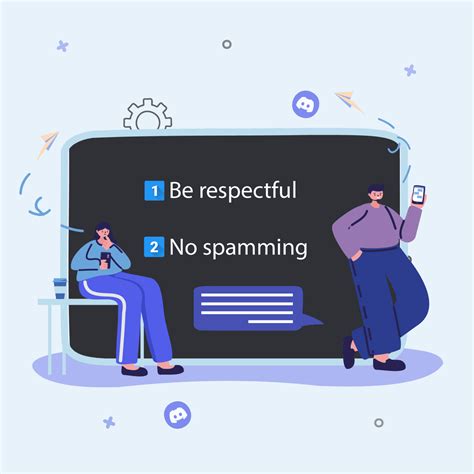
Effective moderation begins with a robust set of community guidelines and rules. These aren’t just arbitrary dictates; they are carefully crafted principles designed to articulate acceptable behavior and clearly define what crosses the line. Mods work to ensure these rules are easily accessible, understandable, and comprehensive, covering everything from language use and spam to harassment and cheating. Transparency in rule-setting and consistent application are paramount, building trust within the community and ensuring players know what to expect.
Active Intervention and Enforcement: Tackling Toxicity Head-On
Once rules are established, the next crucial step is active enforcement. Moderators are constantly vigilant, monitoring chat logs, forums, and in-game interactions for violations. This often involves real-time intervention, such as muting disruptive players, issuing warnings, or temporarily banning repeat offenders. For more severe infractions, permanent bans might be necessary. The key here is consistency; inconsistent enforcement can breed resentment and undermine the authority of the moderation team. Utilizing reporting tools empowers the community to flag issues, allowing mods to investigate and act efficiently.
Beyond punitive measures, mods also engage in proactive intervention. This means identifying simmering conflicts before they escalate, diffusing tense situations with calm communication, and redirecting conversations back to constructive topics. They are often the first point of contact for players experiencing harassment or needing support, providing a crucial human element in an otherwise digital space.

Fostering Positive Discussions: Nurturing a Welcoming Atmosphere
Combatting toxicity is only half the battle; the other, equally important part, is actively cultivating positive interactions. Mods achieve this through several strategies:
- Leading by Example: Moderators themselves embody the positive behavior they wish to see. Their interactions are respectful, helpful, and encouraging, setting a benchmark for the entire community.
- Highlighting Good Behavior: Recognizing and celebrating constructive contributions, helpful players, and insightful discussions encourages more of the same. This can be done through public shout-outs, special roles, or community awards.
- Initiating Engaging Topics: Mods often spark discussions around game updates, strategies, lore, or community projects, providing positive outlets for engagement and interaction.
- Creating Safe Spaces: Establishing dedicated channels or forums for specific topics, feedback, or support allows players to connect in a more focused and secure environment, reducing the likelihood of off-topic arguments.

Empowering the Community: Shared Responsibility
Effective moderation isn’t a top-down dictatorship; it’s a collaborative effort. Mods empower community members to take ownership of their shared space. This involves:
- Educating Players: Helping players understand the impact of their words and actions, and how to use reporting tools effectively.
- Recruiting Community Helpers: In larger communities, trusted and exemplary members might be trained and brought on as volunteer moderators or community assistants, extending the reach and presence of the moderation team.
- Facilitating Feedback: Providing clear channels for players to offer suggestions, report bugs, or give feedback about the game and community, making them feel heard and valued.

The Evolving Role: Challenges and Adaptability
The landscape of online gaming is constantly shifting, presenting new challenges for moderators. New forms of toxicity emerge, game mechanics change, and community sizes fluctuate. Therefore, adaptability is crucial. Mods must continuously review and update rules, adapt to new platforms and communication methods, and stay informed about best practices in online community management. Their work is a continuous balancing act between maintaining order and fostering freedom of expression, all while upholding the spirit of the game.
Conclusion
Gaming community moderators are more than just rule enforcers; they are the unsung heroes who meticulously cultivate and protect the digital ecosystems where players connect, compete, and collaborate. Through a combination of clear guidelines, consistent enforcement, proactive intervention, and genuine efforts to foster positive dialogue, they ensure that the vibrant, social aspect of online gaming can thrive, creating enjoyable and inclusive spaces for everyone.