How to structure long gaming guides for quick info & player retention?

The Challenge of Long Gaming Guides
Long gaming guides are a double-edged sword. While they offer comprehensive detail on complex games, missions, or mechanics, their sheer volume can overwhelm players. The goal isn’t just to provide information, but to present it in a way that’s immediately useful, easily navigable, and encourages players to stick around, reducing frustration and fostering a sense of accomplishment. Mastering guide structure is key to serving both the casual explorer and the dedicated completionist.
Essential Elements for Navigability
Effective structure hinges on making information easy to find. Imagine a player needing a specific item location in a vast RPG or a precise combo sequence in a fighting game – they don’t want to scroll through pages of lore.
Dynamic Table of Contents (TOC)
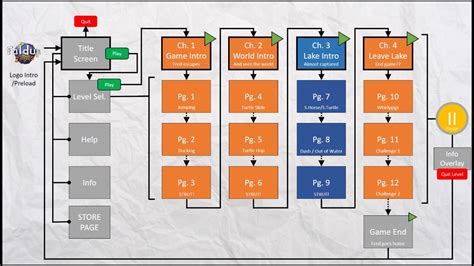
A prominent, clickable Table of Contents at the beginning of the guide is non-negotiable. This TOC should be dynamic, linking directly to each major section (<h2>) and even sub-section (<h3>). For extremely long guides, consider a sticky or sidebar TOC that remains visible as the user scrolls.
Clear Headings and Subheadings
Utilize a hierarchical heading structure (H2 for major sections, H3 for sub-sections, H4 for specific points). Each heading should be descriptive, giving the reader a clear idea of the content that follows. This allows for quick scanning and targeted information retrieval.
Short Paragraphs and Bullet Points
Break down large blocks of text into smaller, digestible paragraphs. Employ bulleted or numbered lists for steps, item lists, or advantages/disadvantages. This enhances readability and scannability, making key information pop out.
Optimizing Content for Quick Info Retrieval
Beyond basic navigation, how you present the actual data impacts how quickly players grasp it.
Front-Load Crucial Information
Always place the most critical information at the beginning of its respective section. If a player needs to know “how to defeat X boss,” the core strategy should be presented first, followed by detailed explanations, optional tactics, and loot tables. Don’t bury the lead.
Consistent Formatting for Key Data
Establish and maintain consistent formatting for important elements. For instance, always bold item names, use italics for quest objectives, or employ specific colors (if possible within your platform’s styling) for damage types. This creates visual cues that players learn to recognize.
Visual Aids and Examples
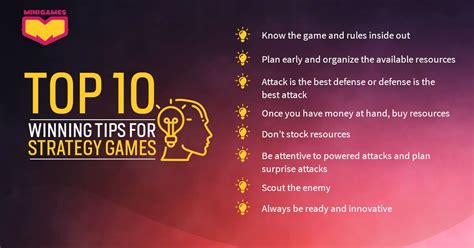
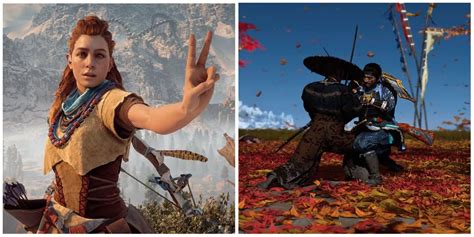
While actual images are placeholder here, remember their purpose. In a real guide, well-placed screenshots, maps with annotations, flowcharts for complex mechanics, or short video embeds can convey information far more efficiently than text alone. They break up text and provide immediate context.
Strategies for Player Retention
Getting players to find information is one thing; keeping them engaged and coming back for more is another.
Engaging Tone and Clear Language
Write in a clear, concise, and helpful tone. Avoid jargon where possible, or explain it if necessary. A friendly, encouraging voice can make even complex guides feel less intimidating. Directly address the player (“You’ll want to equip…”) to create a more personal connection.
Cross-Linking and Related Guides
Internally link to other relevant sections within the same guide or to other guides you’ve created. For instance, in a “boss strategy” section, link back to a “character build” guide if specific stats are crucial. This keeps players within your content ecosystem.
Regular Updates and Community Feedback
Games evolve, and so should your guides. Regularly update content to reflect game patches, new strategies, or player discoveries. Encourage comments and feedback, using them to refine and improve your guide. A living guide is a valuable resource.

The Payoff: Satisfied Players and Lasting Value
Structuring long gaming guides effectively isn’t just about good organization; it’s about respecting your reader’s time and enhancing their gaming experience. By prioritizing navigability, quick information retrieval, and engaging presentation, you transform an overwhelming document into an indispensable resource. This approach not only boosts player satisfaction and retention but also establishes your guide as a go-to authority, ensuring its lasting value in the ever-evolving world of gaming.