





How to efficiently update game guides post-patch without full walkthrough rewrites?
The Challenge of Ever-Evolving Game Worlds
Game guides are invaluable resources for players, but their utility hinges on accuracy. In today’s landscape of live-service games and frequent balance patches, maintaining up-to-date guides without the daunting prospect of full-scale rewrites after every update is a significant challenge for content creators. This article explores practical strategies to streamline the guide update process, ensuring your content remains relevant and reliable.
Embrace Modular Guide Design from the Outset
The most effective strategy for post-patch updates begins long before a patch even drops: with the initial design of your guide. By structuring your guide into distinct, self-contained modules or sections, you create a framework that is inherently easier to modify. Instead of a monolithic walkthrough, think of chapters dedicated to specific quests, boss fights, character builds, item locations, or mechanic explanations.
When a patch changes a single element, you only need to update the relevant module, rather than sifting through pages of interconnected text. This approach minimizes disruption and maximizes efficiency.
Leverage Patch Notes and Official Changelogs
Your primary source of information for updates should always be the official patch notes released by the game developers. These documents explicitly detail what has changed, from numerical adjustments to quest alterations. Develop a systematic approach to review these notes:
- Cross-reference: Directly compare patch notes against your guide’s existing content.
- Highlight Key Changes: Identify specific skills, items, locations, or mechanics that are mentioned.
- Prioritize Impact: Assess which changes will have the most significant impact on gameplay and, consequently, your guide’s advice.
This targeted analysis allows you to pinpoint precisely which sections of your guide require attention, avoiding unnecessary review of unchanged content.
Implement a Version Control System (Even a Simple One)
While often associated with software development, the principles of version control can be incredibly useful for guide management. For a single author, this might be as simple as maintaining a dated log of revisions within a document or using cloud-based document editors with version history features. For teams, more robust solutions can track who made what changes and when. This ensures you always know the state of your guide prior to a patch and can easily revert or track specific changes.
Targeted Updates: Focus on Pinpointing Specific Adjustments
Rather than rewriting entire sections, focus on micro-edits. If a skill’s damage coefficient changes, update the number. If an item’s drop location moves, correct the location. If a quest step is altered, update just that step. Strategies for boss fights or dungeon paths might require more significant re-evaluation, but even then, try to isolate the altered mechanics. Use clear indicators within your guide, such as “(Updated Patch X.Y)” or dedicated “Patch Notes” subsections, to highlight recently modified content for readers.

Utilize Dedicated “Update History” Sections
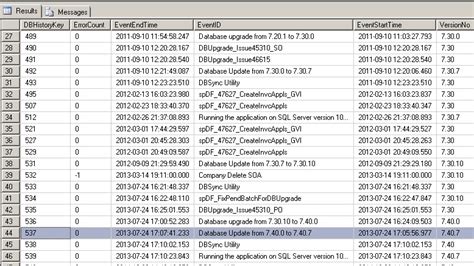
Consider adding a small, dedicated section at the beginning or end of your guide, or within major subsections, titled “Patch History” or “Recent Updates.” This section can briefly list the most recent changes made to that specific guide or module, along with the patch version number. This not only keeps readers informed but also serves as your own internal checklist for what has been addressed.
Leverage Community Feedback and Testing
Your audience can be a powerful asset. Encourage readers to report outdated information or suggest clarifications. Establish channels for feedback (e.g., comments section, dedicated forum thread). Furthermore, if possible, spend a short amount of time in-game after a significant patch to verify critical changes first-hand. Community insights combined with quick personal verification can flag areas needing updates that might have been subtle in the official notes.

Consider Dynamic Content Solutions for Core Data
For guides that contain a lot of numerical data (e.g., item stats, skill trees, build calculators), explore the possibility of integrating dynamic content solutions. This could involve linking to external databases or using internal content management systems that allow you to update a single data point, which then propagates across all instances in your guide. While more complex to set up initially, this can drastically reduce long-term maintenance for data-heavy guides.

Conclusion: Stay Agile, Stay Accurate
Efficiently updating game guides post-patch is less about tireless re-writing and more about smart planning and strategic execution. By adopting a modular design, diligently reviewing patch notes, implementing targeted update approaches, and leveraging community insights, guide creators can maintain high-quality, current content without being overwhelmed by the constant evolution of their favorite games. This agile approach ensures your guides remain a trusted companion for players navigating ever-changing virtual worlds.



