What unique indie game elements guarantee a ‘Spotlight’ feature for visibility?

In the vast ocean of new releases, standing out as an indie game developer is an immense challenge. The dream for many is to land a coveted “Spotlight” feature on major platforms or gaming news sites, which can dramatically boost visibility and sales. But what exactly makes an indie game unique enough to grab that attention? It’s not just about being “different”; it’s about being remarkably distinct and genuinely compelling.
Innovating Core Gameplay Mechanics
At the heart of any successful game is its gameplay. For indie titles vying for a spotlight, truly novel mechanics are often the most direct path to recognition. This isn’t just a slight twist on an existing formula, but a fundamental rethinking of how players interact with the game world. Think of games that introduce entirely new control schemes, physics-based puzzles with unforeseen solutions, or combat systems that defy genre conventions. When a game makes critics and players say, “I’ve never played anything quite like this,” it’s halfway to securing that feature.

A Distinctive Visual and Auditory Identity
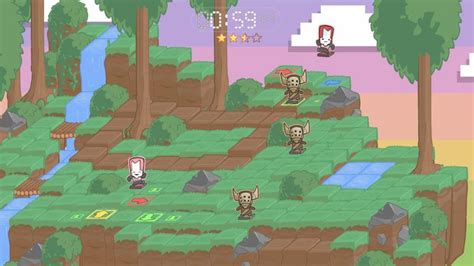
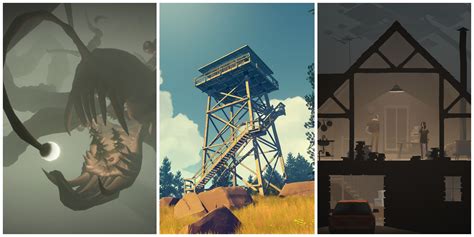
While gameplay hooks players, aesthetic appeal often captures their initial interest. An indie game with a truly unique art style or a memorable sound design stands out immediately in a sea of screenshots and trailers. This could range from hand-drawn aesthetics, voxel art pushed to its limits, striking pixel art with modern flourishes, or even abstract visual concepts. Complementing this with an evocative soundtrack or groundbreaking sound design further solidifies its identity. A cohesive and original presentation communicates artistic vision and professionalism, signaling a game worth deeper exploration.
Compelling Narrative and Deep World-building
Beyond mechanics and aesthetics, the story an indie game tells can be its most powerful differentiator. Games that delve into profound themes, offer branching narratives with meaningful choices, or build rich, immersive worlds with detailed lore often resonate deeply with players and critics alike. Whether it’s a deeply personal journey, an intricate mystery, or a satirical take on society, a narrative that sticks with players long after the credits roll is a strong contender for a spotlight. This includes innovative ways of storytelling, such as environmental narrative or emergent storytelling based on player actions.

Unforeseen Emotional Resonance or Social Commentary
Some indie games achieve prominence by tapping into powerful emotions or offering poignant social commentary. These are titles that make players laugh, cry, think, or reflect on real-world issues through the lens of a game. This could be a game exploring grief, identity, environmental concerns, or the human condition in a way that feels authentic and impactful. Such games often spark discussions, generate word-of-mouth, and are celebrated for their artistic merit beyond pure entertainment.
Technical Polish and Accessibility Excellence
While uniqueness often stems from creative ideas, the execution matters immensely. Even the most innovative concept can fall flat if plagued by bugs or poor optimization. An indie game that launches with a high degree of technical polish demonstrates respect for the player and a professional development standard. Furthermore, thoughtful accessibility options – remappable controls, colorblind modes, difficulty adjustments – show a commitment to inclusivity, broadening the game’s appeal and often earning praise for going the extra mile. While not “unique” in the traditional sense, a flawless execution of a unique vision is rare and highly valued.
A Unique Developer Story or Vision
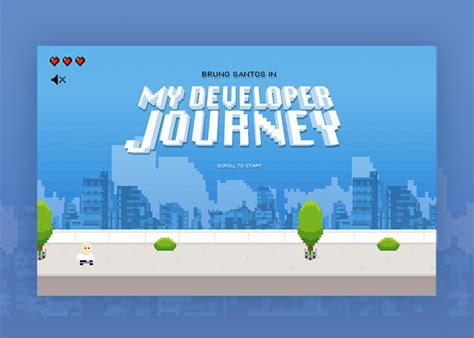
Sometimes, the story behind the game is as compelling as the game itself. Developers with unusual backgrounds, a deeply personal connection to their project, or a remarkable journey through development can often capture the media’s attention. Transparent development logs, engaging social media presence, and a clear, passionate vision can build a community and narrative around the game even before release, making it more appealing for a spotlight feature. A developer’s willingness to share their process and personality can forge a strong connection with an audience.
Conclusion: Beyond Novelty, Towards Excellence
Ultimately, securing a “Spotlight” feature isn’t just about being different for the sake of it. It’s about combining genuine innovation across various elements – gameplay, art, narrative, and emotional impact – with a high level of technical polish and a clear artistic vision. Editors and curators are looking for games that offer memorable experiences, push boundaries, and leave a lasting impression. By focusing on these unique and high-quality elements, indie developers can significantly increase their chances of cutting through the noise and shining brightly in the industry.